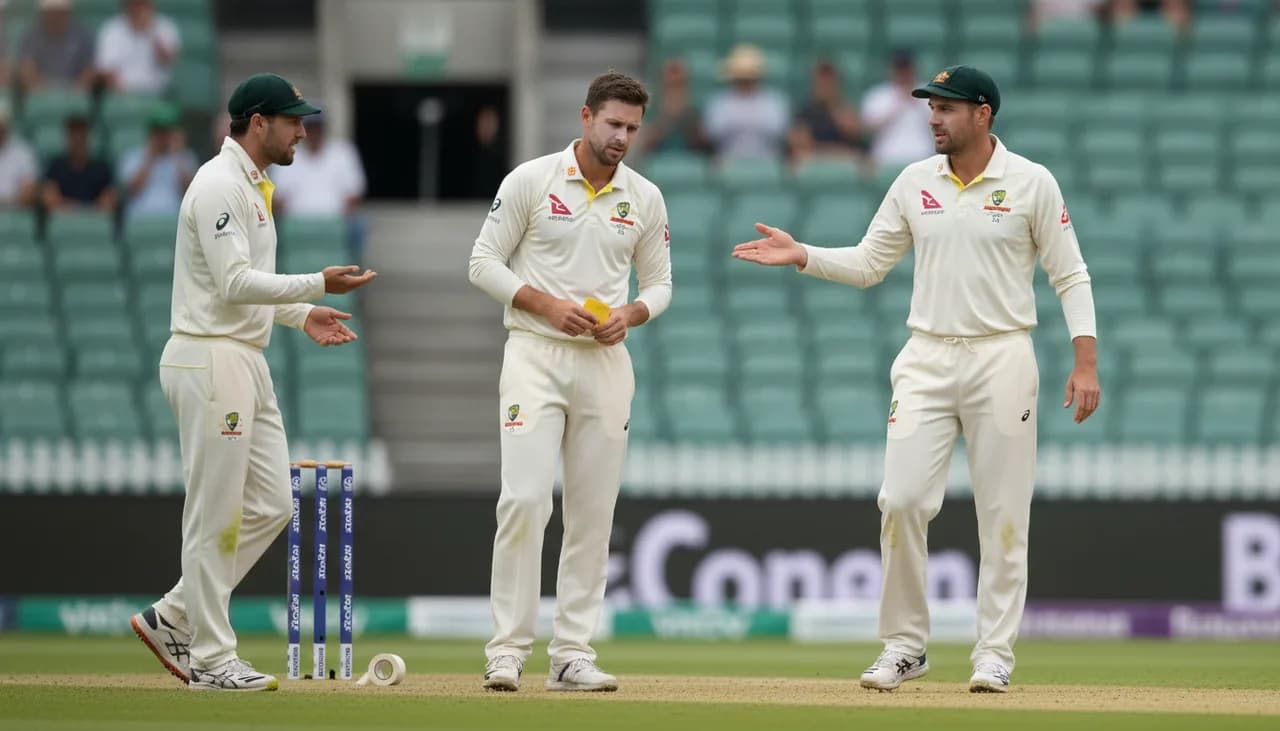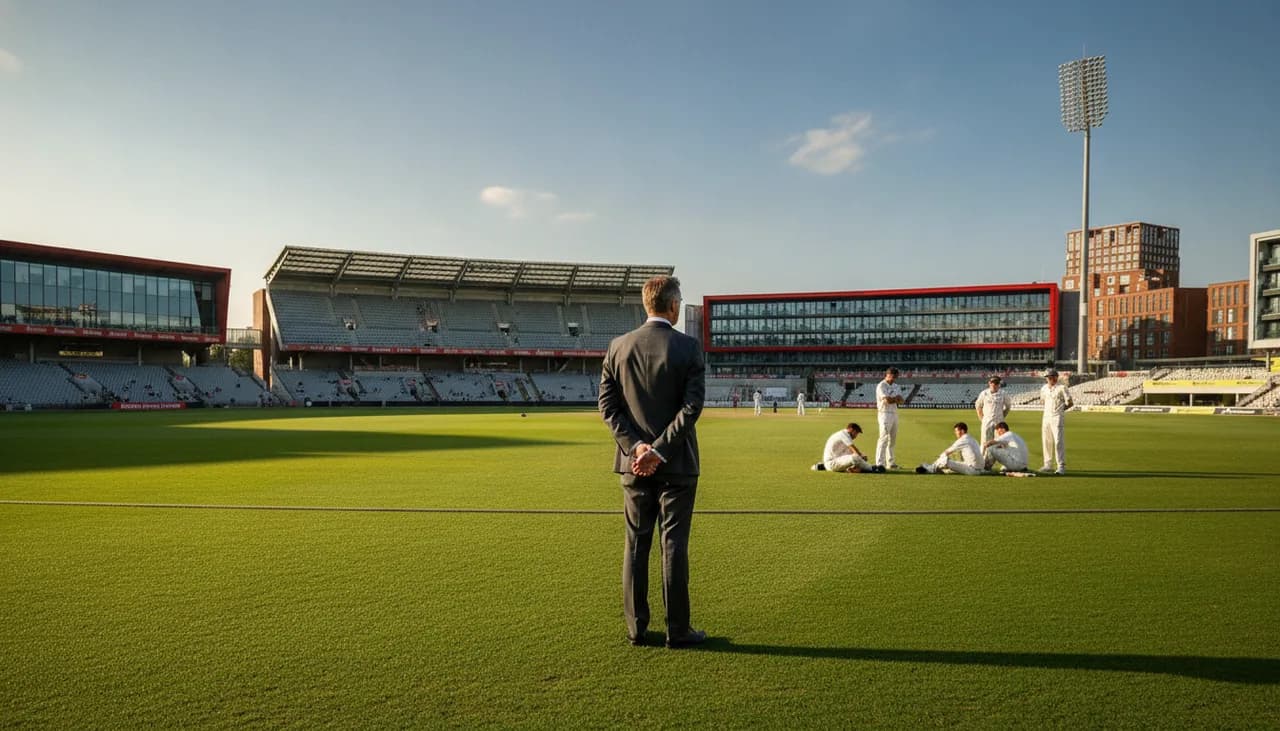
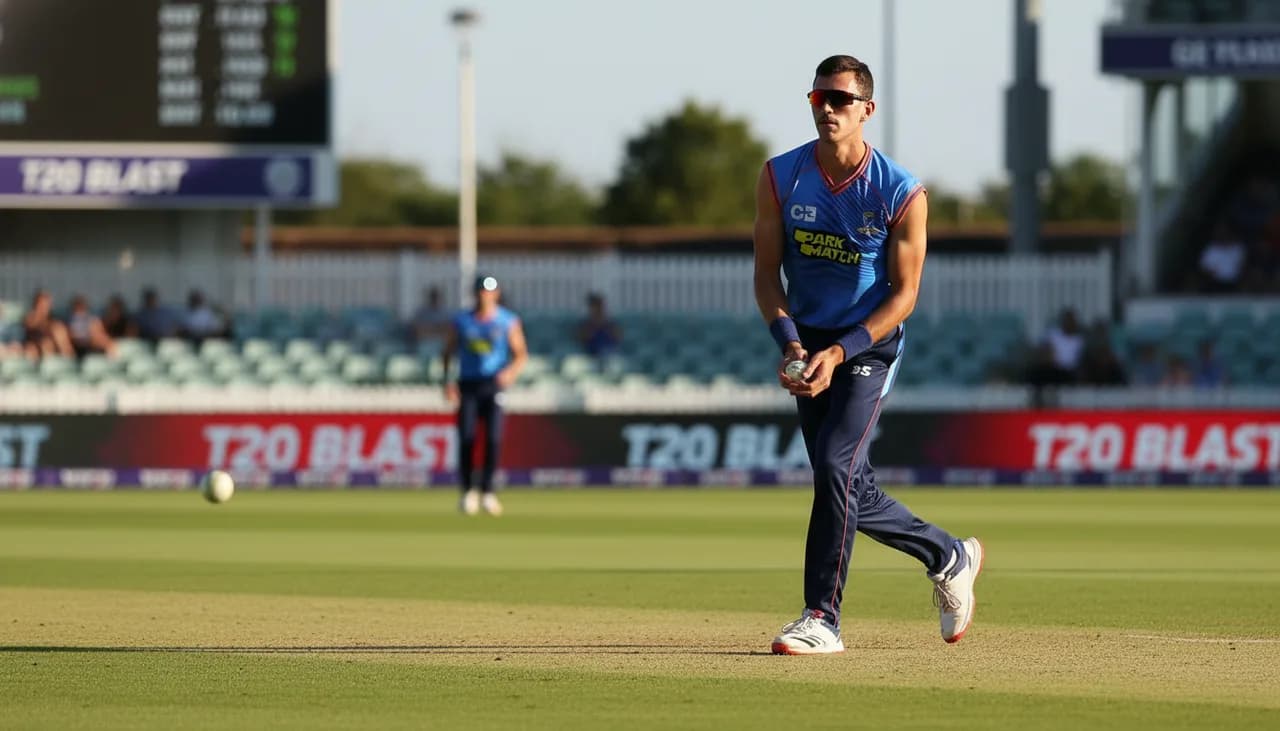
NEW YORK — Pakistan head coach Mike Hesson has publicly stated that the Indian cricket team refused to engage in the customary post-match handshake following their high-stakes T20 World Cup clash, an act he attributes to the lingering political and military tensions between the two neighboring nations. The incident occurred after India's narrow six-run victory in a nail-biting contest at a packed stadium, marking the first meeting between the arch-rivals since a significant military standoff earlier this year.
Hesson revealed his disappointment during a post-match press conference, describing how his players approached their Indian counterparts only to be snubbed. "It's obviously disappointing. Cricket is meant to be a gentleman's game, and that tradition of respect after a hard-fought match is important to us. Our guys went to line up and it was made clear it wasn't happening," he stated. The traditional handshake, a universal symbol of sportsmanship in cricket, was notably absent, replaced by an awkward and tense atmosphere on the field.
A Fixture Overshadowed by Geopolitics
The India-Pakistan cricket rivalry is historically one of the most intense in all of sports, but recent real-world events have cast an even longer shadow over the contest. Earlier this year, a deadly cross-border confrontation resulted in a significant escalation of hostilities, leading to a near-complete breakdown in diplomatic relations. This geopolitical friction has invariably spilled over into the sporting arena, with calls from certain political quarters in India for a complete sporting boycott of Pakistan.
The Board of Control for Cricket in India (BCCI) has not issued an official statement regarding the handshake refusal. However, sources within the Indian camp, speaking on condition of anonymity, suggested the decision was a "silent, collective gesture" from the players, reflecting the national sentiment. "The players are not immune to what happens. They represent the country, and the mood of the nation is with them," a source was quoted as saying.
Reactions from the Cricket World
The incident has sparked a fiery debate across the cricketing community and on social media. Former players and pundits are divided on the issue, with opinions largely split along national lines.
Support for the Indian Stance
Some former Indian cricketers have defended the team's actions, arguing that sports cannot be entirely separated from reality. "A handshake is a gesture of friendship. When there is no friendship, what is the meaning of a hollow gesture?" questioned one prominent commentator on a television panel.
Criticism of the Decision
Conversely, many international voices have criticized the move as a breach of cricketing etiquette. Former England captain Michael Vaughan tweeted, "Regardless of the politics, the game of cricket has always been above it. The handshake at the end is a non-negotiable sign of respect for the opponent and the contest. A very sad day for the sport." The International Cricket Council (ICC) is understood to be reviewing the matter, though it is unlikely to take formal disciplinary action as there is no specific rule mandating handshakes.
A History of Tense Encounters
This is not the first time that an India-Pakistan match has been devoid of the usual fraternization. Over the years, on-field behavior has often mirrored the state of bilateral relations.
- 2008: Following the Mumbai attacks, sporting ties were suspended for years.
- 2019: After the Pulwama attack, the Indian team wore military caps in a match against Australia.
- 2023: The Indian team did not travel to Pakistan for the Asia Cup, with the tournament being played in a hybrid model.
The current Indian team's stance appears to be a continuation of this hardened approach. Coach Rahul Dravid, when asked about the atmosphere, gave a terse response, "We are here to play cricket and win matches for our country. We focus on what we can control on the field. Our conduct was about representing the sentiments of our people with dignity." This comment has been interpreted as a tacit acknowledgment of the deliberate snub.
The Players Caught in the Middle
For the athletes themselves, these situations present an immense challenge. They are expected to be fierce competitors on the field and ambassadors off it, yet they are often burdened with representing national politics beyond their control. Pakistani captain Babar Azam, who scored a valiant half-century in the losing effort, struck a conciliatory tone. "It was a great match, a great contest. As players, we have good relationships with many of them. What happens off the field is not for us to decide. We play cricket, we respect the game. That is our job," he said, visibly choosing his words carefully to avoid further controversy.
The Path Forward for Cricket
This incident raises profound questions about the future of one of sports' greatest rivalries. With diplomatic channels frozen and no bilateral series played since 2012-13, ICC global events remain the only stage for these clashes. The refusal to shake hands signifies a new low in the cricketing relationship, suggesting that the divide is deeper than ever. While the showpiece matches will continue to draw billions of viewers, the spirit of the game itself seems to be a casualty. The hope that cricket can act as a bridge for peace between India and Pakistan feels increasingly like a distant dream, replaced by the stark reality of a rivalry that now extends far beyond the boundary rope.