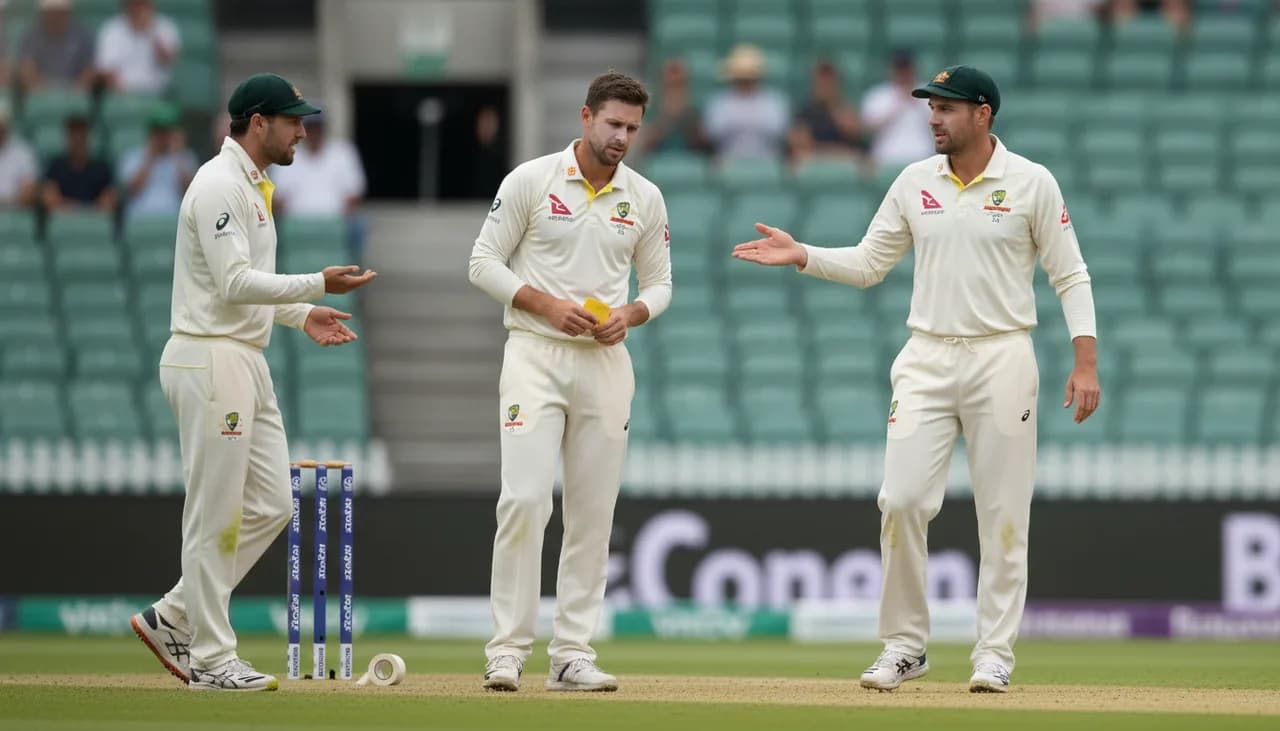
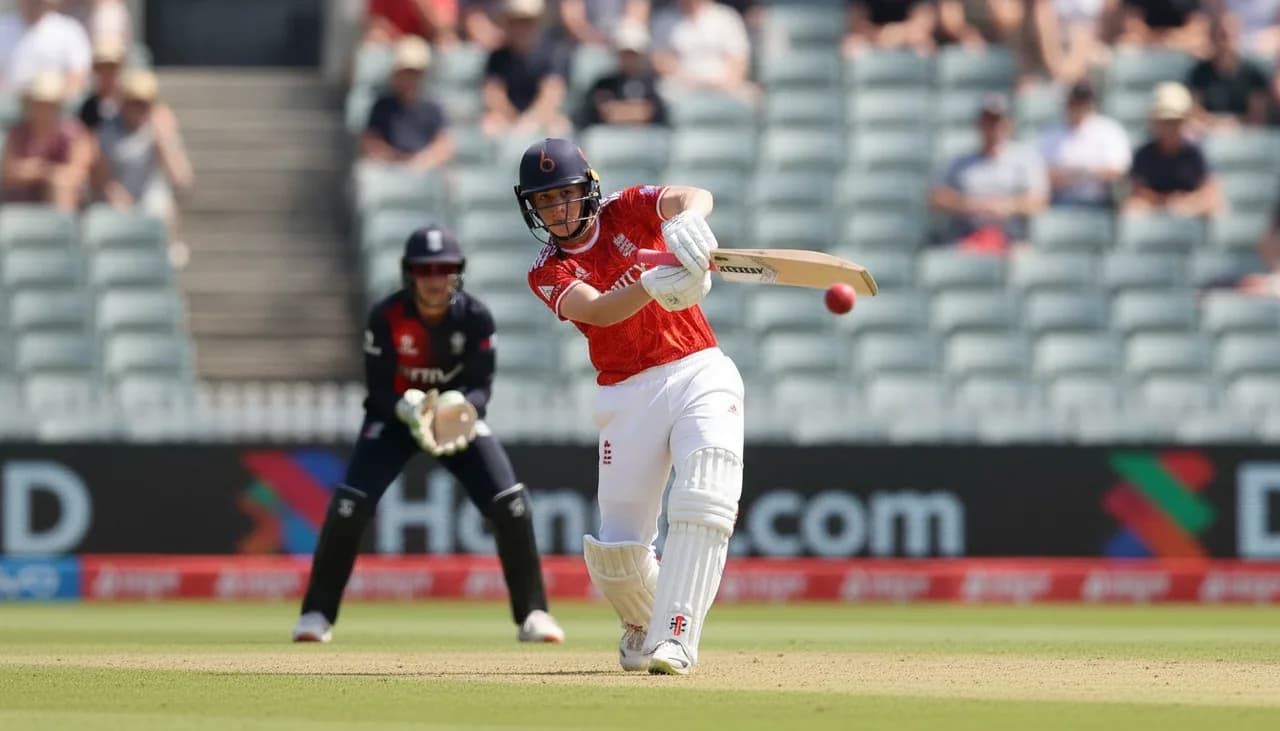
LONDON — A significant shadow has been cast over next month’s player draft for The Hundred, with reports confirming that the four teams owned by Indian Premier League (IPL) franchises are not expected to sign any players from Pakistan. This development, first reported by ESPNcricinfo, raises fresh questions about the intersection of geopolitics, franchise loyalties, and the global cricket calendar.
The affected teams are London Spirit (owned by Mukesh Ambani’s Reliance Industries, which runs Mumbai Indians), Oval Invincibles (owned by the Shah Rukh Khan-led Knight Riders Group), Manchester Originals (owned by the GMR-JSW consortium, co-owners of Delhi Capitals), and Birmingham Phoenix (part-owned by Rajasthan Royals’ parent company, Emerging Media). These four sides constitute a powerful bloc within the eight-team competition.
The IPL Ownership Link and a Persistent Pattern
The decision, while not officially mandated by any governing body, follows a long-standing and unspoken precedent set by the IPL itself, where no Pakistani player has been drafted since the inaugural 2008 season, despite their immense T20 talent. The geopolitical tensions between India and Pakistan have consistently spilled over into the sporting arena, with bilateral cricket series suspended and players often becoming collateral damage in wider diplomatic standoffs.
A source within one of the IPL-owned Hundred teams told ESPNcricinfo, "The owners have made it clear that they will not be signing any Pakistan players. It’s a directive that comes from the top, mirroring the policy in the IPL. It’s not about talent; it’s a political and commercial calculation." This stance effectively sidelines a pool of world-class T20 specialists, including the likes of Babar Azam, Mohammad Rizwan, and Shaheen Shah Afridi, from a substantial portion of the draft.
Impact on The Hundred’s Global Appeal and Integrity
The exclusion threatens to undermine one of The Hundred’s key selling points: its status as a global showcase featuring the best short-format talent from across the cricket world. By effectively creating a "no-go" zone for Pakistani players in half the teams, the competition’s competitive balance and star power are directly impacted. Fans of Birmingham Phoenix or Manchester Originals, for instance, are denied the opportunity to see some of the most explosive players in the game.
Critics argue this move compromises the sporting integrity of the draft and the league. Former England captain Michael Atherton, writing in The Times, noted, "If teams are making selections based on nationality rather than pure cricketing merit, it calls into question the very premise of a draft designed to create a level playing field." The England and Wales Cricket Board (ECB), which operates The Hundred, finds itself in a delicate position, balancing the commercial clout of its Indian franchise partners against the principle of open competition.
The Practical Consequences for Players
For Pakistani cricketers, the financial and professional implications are significant. The Hundred offers a lucrative short-term contract in the heart of the English summer, a valuable opportunity to showcase skills in a major market, and a chance to build brand value. Being excluded from half the potential slots severely limits their earning potential and visibility. This comes at a time when the windows in the global franchise calendar are fiercely competitive, with leagues like the Caribbean Premier League (CPL) and the new Major League Cricket (MLC) also vying for top talent.
The situation creates an awkward dynamic for the four other teams in The Hundred—Trent Rockets, Northern Superchargers, Welsh Fire, and Southern Brave—which are not under IPL ownership. They are free to pick Pakistani players, and indeed have done so in past seasons, with the likes of Shaheen Shah Afridi (Welsh Fire) and Shadab Khan (Trent Rockets) featuring. This could lead to a noticeable talent disparity, concentrating Pakistani stars in just four squads.
Official Responses and the Broader Context
The ECB has issued a carefully worded statement, attempting to distance the league’s administration from the individual decisions of team owners: "The Hundred is a domestic competition featuring world-class players from across the globe. Team selections for the draft are ultimately the prerogative of the individual franchises, who operate within the rules of the competition. The ECB does not discriminate on nationality grounds."
However, this hands-off approach does little to address the core issue. The Pakistan Cricket Board (PCB) has expressed its disappointment, with a spokesperson stating, "Our players are among the most sought-after in T20 cricket. It is regrettable that off-field considerations continue to hinder their full participation in global leagues. We expect all leagues to provide equal opportunity based on skill alone."
This incident is not isolated. It reflects a broader pattern where the financial gravity of Indian cricket, primarily through the IPL, influences decisions in other leagues. Indian broadcast rights and sponsorship deals are vital for tournaments worldwide, creating an implicit pressure to avoid actions that might antagonize the Indian market or its powerful cricket board (BCCI).
Looking Ahead: A Divided Draft?
As the draft on March 20 approaches, the strategy of the non-IPL-owned teams will be closely watched. Will they aggressively target the now-concentrated pool of Pakistani talent, seeing a competitive advantage? Or will they, too, feel a subtle pressure to avoid controversy? The dynamics promise a draft unlike any other in The Hundred’s short history.
Key questions remain unanswered and point to a fractured landscape:
- Will the ECB ever feel compelled to institute a league-wide non-discrimination policy for drafts?
- Can a truly global league exist when the selections of half its teams are influenced by a bilateral political dispute?
- As franchise networks expand globally, will we see more "transfer" of selection policies from one league to another?
The exclusion of Pakistani players from IPL-owned Hundred teams is more than a simple draft omission. It is a stark reminder that in modern cricket, the boardroom and the ballot box can be as influential as the batting crease and the bowling alley. While The Hundred was designed to simplify and energize cricket for a new audience, it now finds itself entangled in one of the sport’s oldest and most complex geopolitical dilemmas. The ultimate cost will be borne by the fans, who are denied a complete spectacle, and by the players, whose careers are shaped by forces far beyond the boundary rope.