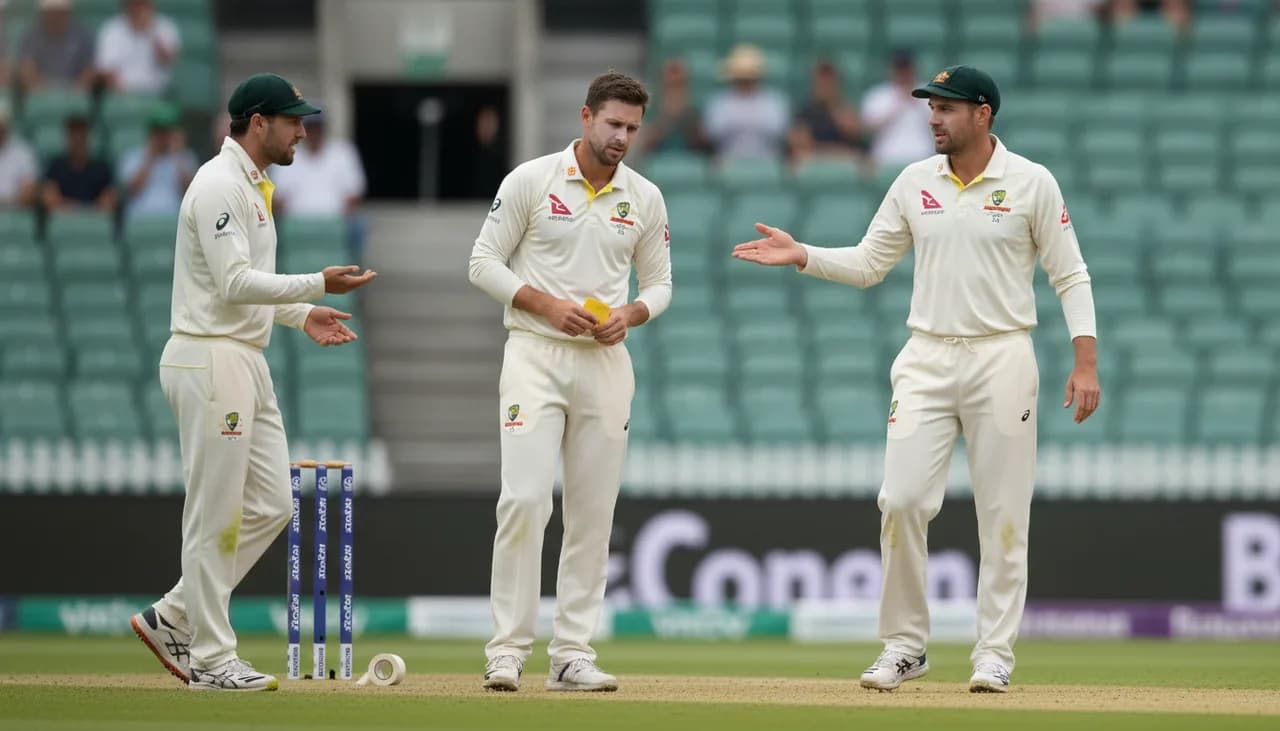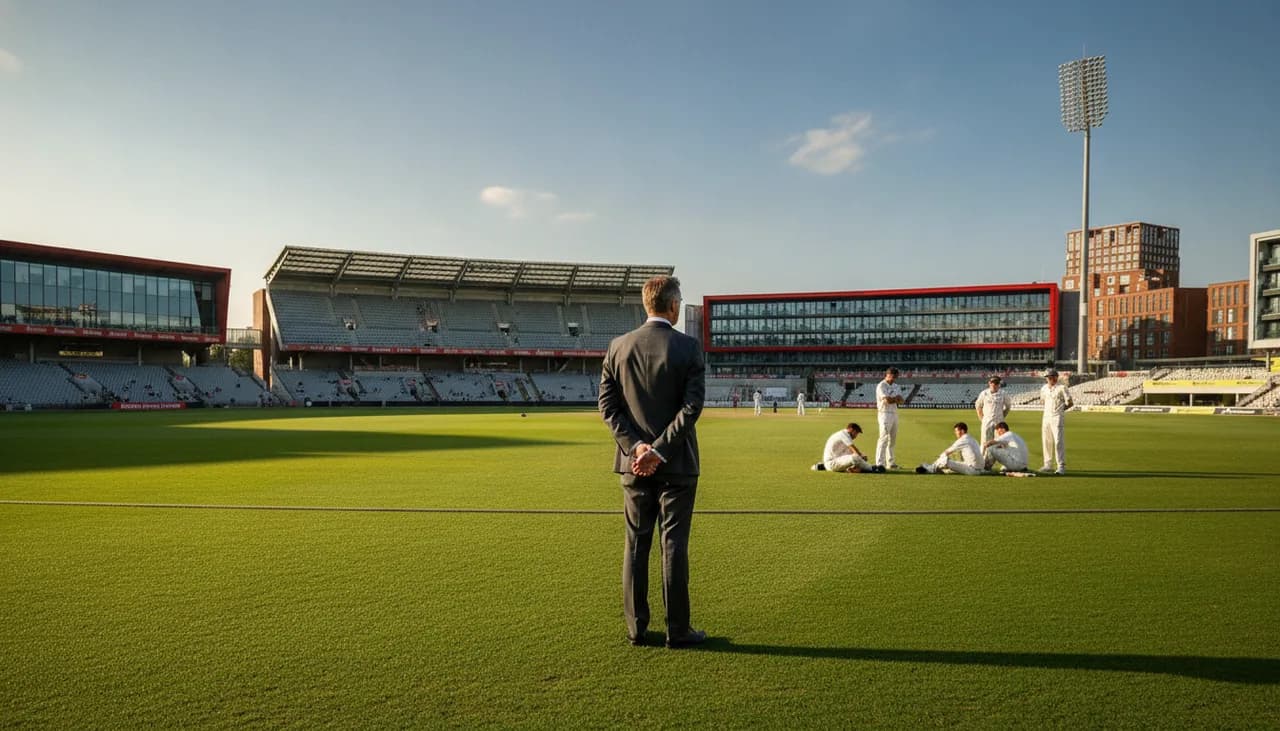
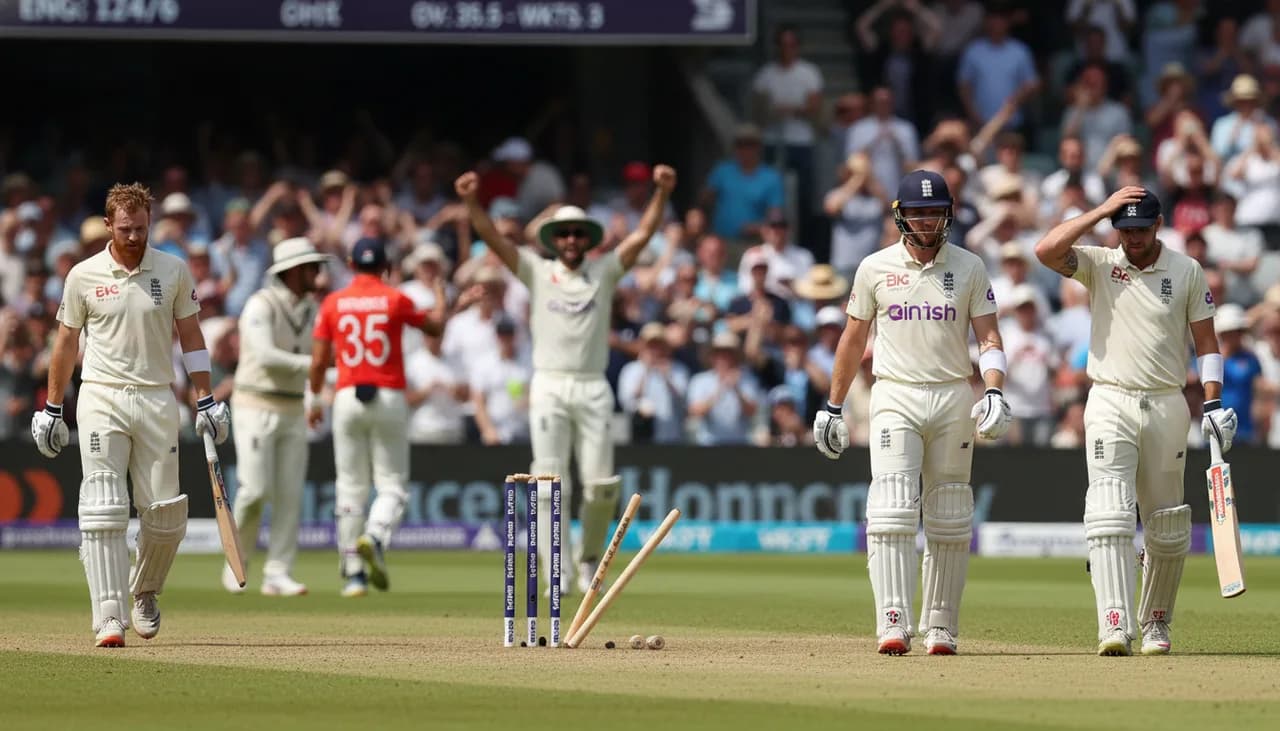
KOLKATA — In a move that underscores the complex interplay between international cricket schedules and domestic T20 leagues, the Kolkata Knight Riders (KKR) have released Bangladesh left-arm pacer Mustafizur Rahman from their squad for the remainder of the 2024 Indian Premier League season. This decision came not from a tactical team review, but following a direct request from the Board of Control for Cricket in India (BCCI), acting on behalf of the Bangladesh Cricket Board (BCB).
The Official Request and Immediate Release
The development was confirmed by KKR in a brief statement on their social media channels, which read, "The Bangladesh Cricket Board has recalled Mustafizur Rahman for their upcoming international series. We wish him the best for his future endeavors." While framed as a recall, the underlying directive originated from the BCCI, which serves as the governing body for the IPL. The BCCI, adhering to a long-standing memorandum of understanding (MoU) with fellow national boards, facilitated the BCB's request for Mustafizur's early return to national duty.
Mustafizur, affectionately known as 'The Fizz' for his deceptive cutters and slower balls, had been acquired by KKR at his base price of INR 2 crore during the December auction. His release leaves a notable gap in KKR's bowling arsenal, particularly for the death overs where his expertise is most valuable. A KKR team official, speaking on condition of anonymity, stated, "We were informed by the BCCI about the BCB's requirement. As per protocol, we had to comply. It's unfortunate, but international cricket takes precedence."
The Reason Behind the Recall: A Packed Schedule
The catalyst for Mustafizur's premature exit is Bangladesh's congested international calendar. The Tigers are scheduled to play a crucial multi-format series against Zimbabwe at home starting in early May, which includes five T20 Internationals. This series is a vital part of Bangladesh's preparation for the ICC Men's T20 World Cup 2024, which begins in the USA and Caribbean in June. The BCB deemed Mustafizur's presence in the national camp and the Zimbabwe series as non-negotiable.
This is not an isolated incident in the IPL. National boards, especially those with major bilateral commitments or World Cup preparations, often invoke clauses in their agreements with the BCCI to recall key players. The recall protocol typically involves:
- A formal written request from the player's home board to the BCCI.
- Verification of the international fixtures by the BCCI.
- A directive from the BCCI to the concerned IPL franchise to release the player.
A Recurring Theme for Bangladesh Players
Mustafizur's case mirrors similar situations from previous seasons involving Bangladeshi cricketers. In the past, players like Shakib Al Hasan and Taskin Ahmed have been pulled out of the IPL due to national commitments. The BCB has historically been strict about player availability, often prioritizing home series and national camps over full IPL participation. This policy, while sometimes frustrating for franchises and fans, is rooted in the board's desire to have its core players fully integrated and prepared for international assignments.
Impact on Kolkata Knight Riders
For KKR, the loss of Mustafizur is a significant blow to their strategic planning. The two-time champions had specifically sought his skills to bolster a pace attack led by Mitchell Starc. Mustafizur's role was envisioned as that of a specialist death bowler, a foil to Starc's explosive powerplay spells. His absence now puts additional pressure on the likes of Harshit Rana, Vaibhav Arora, and the all-round capabilities of Andre Russell and Sunil Narine in the closing stages of an innings.
The franchise now has the option to seek a replacement player, but finding a bowler of Mustafizur's unique caliber mid-tournament is a challenging task. The pool of available overseas fast bowlers is limited, and any replacement would need to integrate into the team's dynamics swiftly. This unforeseen change forces a tactical reshuffle for captain Shreyas Iyer and coach Chandrakant Pandit, who must now reconfigure their bowling plans without a key component.
Broader Implications for the IPL Ecosystem
This incident reignites the ongoing debate about the clash between international cricket and franchise leagues. While the IPL's stature is unparalleled, the primacy of international cricket, especially ahead of a global event like the T20 World Cup, is firmly upheld by national boards. The BCCI's role as an intermediary is crucial; it must balance its commitment to other cricket boards with ensuring the competitive integrity of its own premier tournament. This system, though occasionally disruptive, is built on reciprocity, as the BCCI similarly expects Indian players to be available for national duty over other global leagues.
A veteran IPL analyst commented, "The Mustafizur situation is a textbook example of the understood contract between boards and the IPL. Franchises buy players with the knowledge that a recall is possible. It's a calculated risk, especially for players from boards like Bangladesh's and Sri Lanka's, who have tight international windows. Smart teams always have contingency plans."
Conclusion: An Inevitable Outcome
The release of Mustafizur Rahman by the Kolkata Knight Riders, prompted by the BCCI, is a reminder of the layered governance in modern cricket. While the IPL is a commercial powerhouse, it operates within a framework that respects international commitments. For Mustafizur, it marks an early end to another IPL chapter, shifting his focus back to the national colors. For KKR, it is a hurdle to overcome in their quest for a third title. And for the ecosystem, it reaffirms that despite the glitz and glamour of franchise cricket, the call of national duty, when officially channeled, remains the most powerful directive in the sport.
As the IPL 2024 season progresses, KKR's ability to adapt to this setback will be tested. Meanwhile, the BCCI's smooth facilitation of this transfer underscores the diplomatic channels that keep the global cricket calendar functioning, even when it leads to last-minute changes for multi-million dollar franchises. In the end, the episode concludes with no ill will, but with the quiet acknowledgment of a pre-established rule of the game.