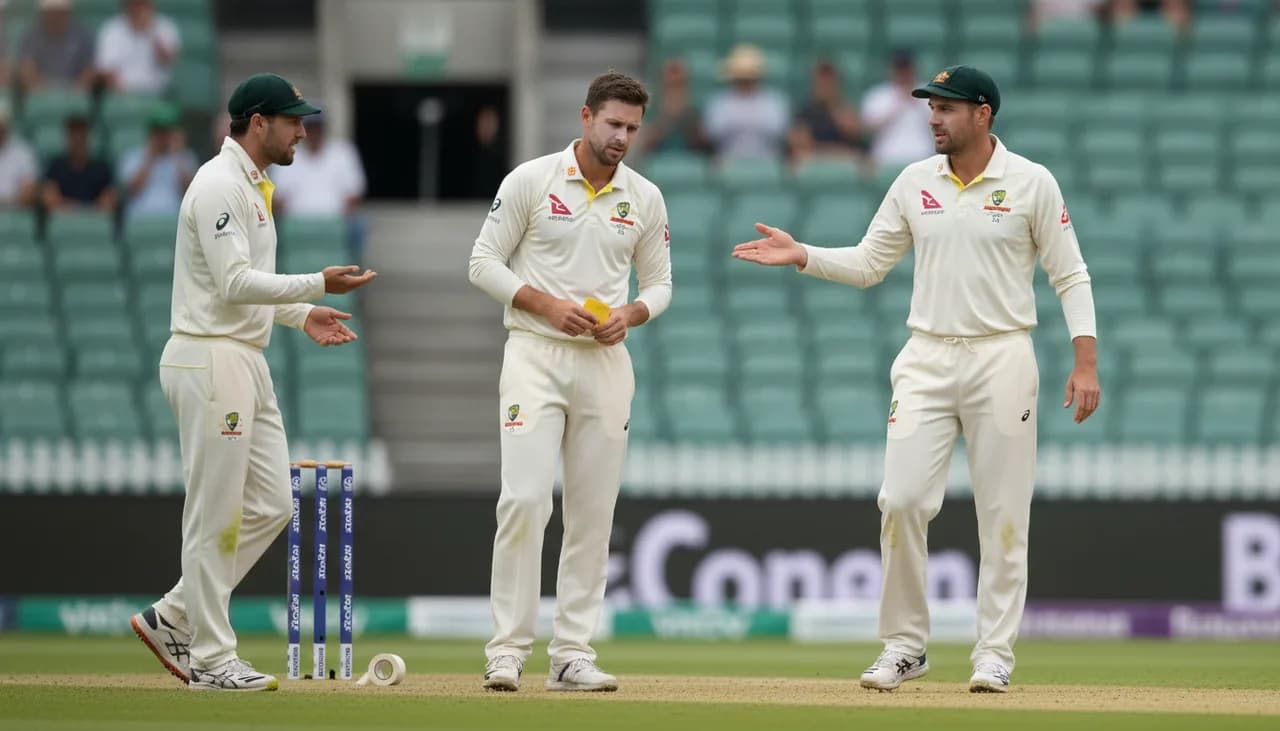

DUBLIN — Ireland's head coach Heinrich Malan has thrown his support behind the concept of a two-tiered World Test Championship, arguing that a more inclusive structure is essential for the survival and growth of Test cricket beyond its traditional powerhouses. Malan's comments come as Ireland continues its long and often frustrating quest for more frequent and meaningful red-ball cricket, a format they have been granted Full Member status for but have played only eight times since their inaugural Test in 2018.
The current World Test Championship (WTC) cycle, running from 2023 to 2025, features only the nine Full Member nations with Test status. For teams like Ireland, Zimbabwe, and Afghanistan, who are not part of this cycle, securing multi-match Test series against the top nations has proven exceptionally difficult. The financial realities and crowded international calendars often relegate them to sporadic, one-off matches, hindering player development and competitive readiness.
The Case for an Expanded Championship
Malan believes a restructured, two-division WTC is the most viable solution. In this model, the top tier would consist of the established nations, while a second tier would include the emerging Test teams, potentially alongside nations like Scotland and Nepal who are performing strongly in the ICC's Intercontinental Cup. Promotion and relegation between the tiers would provide a clear, meritocratic pathway and, crucially, a guaranteed schedule of matches. "If we can get a little bit more context around a two-tier system, I think that would be awesome," Malan stated.
He elaborated on the transformative impact such a system could have, saying, "It gives you something to play for. It gives your players something to understand where they're at, from a world cricket point of view, and I think it gives the fans and the stakeholders something to be able to follow as well." This structure would replace the current ad-hoc system with a formalized calendar, ensuring that teams in the second tier are not left in the international wilderness for years at a time.
The Practical Hurdles for Ireland
Ireland's situation highlights the systemic challenges. Their most recent Test was a one-off match against Bangladesh in March, a game they lost comprehensively. Prior to that, their last red-ball outing was in 2019. This infrequency makes it nearly impossible to build a cohesive Test unit. Malan pointed out the stark contrast in preparation between his side and their opponents. "They've played 15 Test matches in the last 12 months, we've played one," he noted.
This disparity manifests in several key areas where Ireland struggles to compete consistently at the Test level:
- Batting Time: Building long, match-saving or match-winning innings.
- Bowling Depth: Maintaining pressure with a four or five-man attack over 90 overs.
- First-Class Infrastructure: A shallow domestic red-ball system to develop Test-ready players.
Malan is pragmatic about the journey ahead, emphasizing that the only way to bridge this gap is through more playing time. "The more we play, the more we'll understand it, the more we'll be able to hopefully compete for longer periods of time," he said. A second-tier WTC would directly address this core issue by mandating a minimum number of Tests per cycle.
Broader Support and Lingering Resistance
The idea of a two-tier Test system is not new and has been floated periodically within the International Cricket Council (ICC). It has garnered support from several prominent figures in the game who see it as a necessary measure to prevent Test cricket from shrinking into a niche contest between a handful of nations. England's captain Ben Stokes has previously expressed his support, and many pundits argue it would inject much-needed context into every match.
However, significant resistance remains, primarily from some Full Member nations who fear the financial and prestige implications of relegation. The loss of broadcast revenue and sponsorship that comes with high-profile series like the Ashes or India vs. Australia is a powerful deterrent. The political will to force such a change has so far been lacking, with the status quo often prevailing despite its limitations.
The ICC's Position and the Path Forward
The ICC has acknowledged the need to grow the game. The next Future Tours Programme (FTP) cycle from 2028 onwards is often cited as the next logical window for a potential WTC expansion. An ICC spokesperson recently stated, "We are continually looking at ways to grow and contextualize international cricket, and the World Test Championship has been a successful first step in that direction for the long-form game."
For the plan to gain traction, a compromise that safeguards the financial interests of all members while creating a more equitable competitive landscape would be essential. This could involve revenue-sharing models for the second tier or ensuring that relegated teams still host lucrative white-ball tours. The upcoming discussion at the ICC's annual conference will be a critical barometer for the proposal's viability.
A Matter of Survival
For Malan and Cricket Ireland, the issue transcends mere competition; it is about the very survival of Test cricket within the nation. Without a guaranteed schedule, it becomes increasingly difficult to justify investment in red-ball pathways, to attract sponsors, or to inspire the next generation of Irish cricketers to dream of wearing the white jersey. "We need to play more," Malan reiterated, a simple statement underpinned by a complex challenge.
He concluded with a forward-looking perspective, "Hopefully there's something in the near future that we can get a little bit more access to, not only for us but for the other nations that sit outside the current WTC, to be able to play a little bit more red-ball cricket." As the debate continues, the hopes of Ireland's Test ambitions, and perhaps the future shape of the game's most traditional format, hang in the balance.