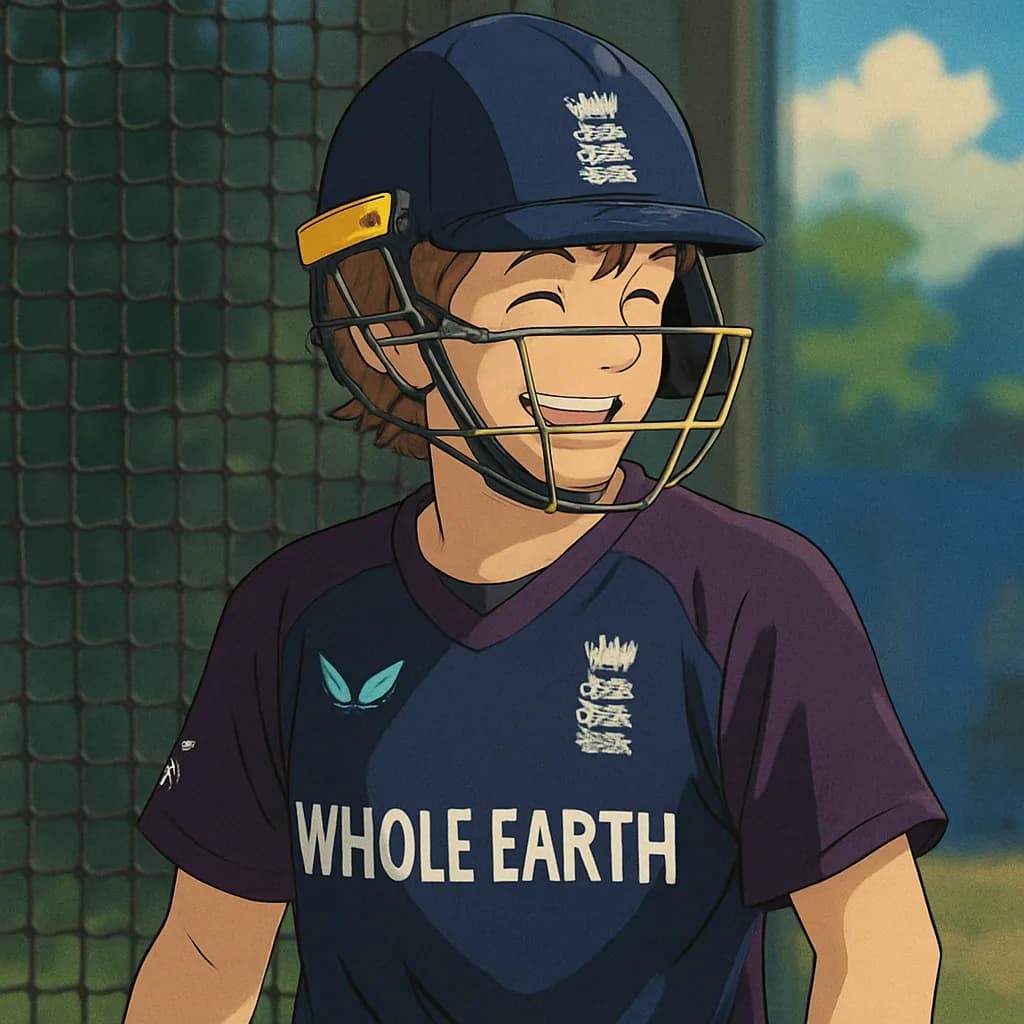
BRISBANE — In a light-hearted but pointed piece of advice that has captured the imagination of cricket fans and safety campaigners alike, England vice-captain Ollie Pope has told his teammates to “just put a helmet on” after they were spotted riding e-scooters around Brisbane without protective headgear. The incident, which unfolded during England’s preparations for the 2025 Ashes series in Australia, serves as a quirky reminder of the team’s off-field antics and the ever-watchful eye of the public and press.
The story broke when images and videos surfaced on social media showing several England players, including the charismatic wicketkeeper-batter Jamie Smith and fast bowler Gus Atkinson, weaving through the riverside paths of Brisbane on rented electric scooters. While the sight of international cricketers enjoying a novel mode of transport provided amusing content, one detail stood out to observers: none of the riders were wearing helmets.
The "Pope's" Public Safety Announcement
At a press conference following a training session at the Gabba, Ollie Pope was inevitably asked about the scooter squad. With a wry smile, the man nicknamed "The Pope" by fans and colleagues delivered his now-famous edict. “My advice would be to just put a helmet on next time,” he stated, blending paternal concern with the dry humour characteristic of the England setup. He added, “We’ve seen the pictures and I’m sure the security guys will be on to them. It’s about being smart.”
Pope’s comments immediately went viral, transforming from a simple team reminder into a global meme. The phrase “Just put a helmet on” was adopted by fans urging caution in all manner of situations, from financial investments to weekend plans. More seriously, it sparked a wider conversation about e-scooter safety, a pertinent issue in many Australian cities where rental schemes are popular but helmet laws are strict.
Navigating Local Laws and Team Protocols
In Queensland, the law is unambiguous: anyone riding an e-scooter must wear a securely fitted, approved helmet. Fines for non-compliance can be significant. For the England and Wales Cricket Board (ECB), which invests heavily in the welfare and security of its elite players, the incident presented a minor but real headache. The potential risks were multifaceted:
- Injury Risk: A fall without a helmet could sideline a key player on the eve of an Ashes series.
- Legal & Financial: Fines and legal complications on a foreign tour are undesirable.
- Reputational: The image of professional athletes flouting basic safety laws is rarely positive.
Team management was quick to address the situation internally. A source close to the squad confirmed that while players are given a degree of freedom to relax and explore, they are also thoroughly briefed on local regulations and expected to act responsibly. “It was a bit of fun that overlooked a basic rule. The message has been reinforced,” the source said.
A History of Scooter Shenanigans
This is not the first time e-scooters have intersected with professional cricket tours. During the 2021-22 Ashes series, which England lost comprehensively, images of players like James Anderson and Stuart Broad using scooters were also circulated. Back then, the narrative was different—they were seen as a convenient way for players to get around bio-secure bubbles and maintain some normality. The helmet issue, however, shows how easily a harmless activity can become a focal point for criticism, especially for a team under the intense scrutiny that an Ashes tour brings.
The current England squad, led by Test captain Ben Stokes and coach Brendon McCullum, has cultivated a reputation for a relaxed, positive environment focused on freedom and expression on the field. This "Bazball" ethos, however, comes with an understanding of off-field professionalism. Pope’s public nudge was perfectly pitched: it acknowledged the minor transgression without melodrama, provided the correct advice, and moved the story on with a dose of humour. It was a masterclass in modern player leadership.
Broader Implications for Athlete Conduct
The incident, though minor, highlights the evolving role of the modern cricketer as a perpetual public figure. In the age of smartphone cameras and instant social media, there is no such thing as a private moment in a public space. Every action can be captured, disseminated, and analysed. For touring teams, this means:
- Constant awareness of local laws and cultural norms, even during leisure time.
- Understanding that their conduct reflects on the team, the board, and the sport.
- The need for senior players to gently police each other, as Pope did.
Road safety advocates in Australia also seized on the moment. Amy Gillett Foundation spokesperson, commenting on the wider issue, stated, “When high-profile individuals are seen ignoring helmet laws, it undermines the vital safety message we try to promote to all riders, especially the young. We’re glad it was addressed so sensibly.”
Conclusion: Safety First, On and Off the Pitch
As England continued their intense preparations for the first Test, the "scooter-gate" episode quickly subsided into a amusing anecdote. The players involved were understood to have complied with Pope’s advice on subsequent outings. The story ultimately reinforces a universal truth, whether facing a 90mph bouncer or navigating city streets: protection is paramount. Ollie Pope’s simple, six-word directive—“just put a helmet on”—transcended cricket to become a succinct life lesson, delivered with the calm authority of a deputy and the common sense of a friend. In the high-pressure cauldron of an Ashes tour, it was a reminder that sometimes, the most important leadership happens not in the team huddle, but on the footpath.