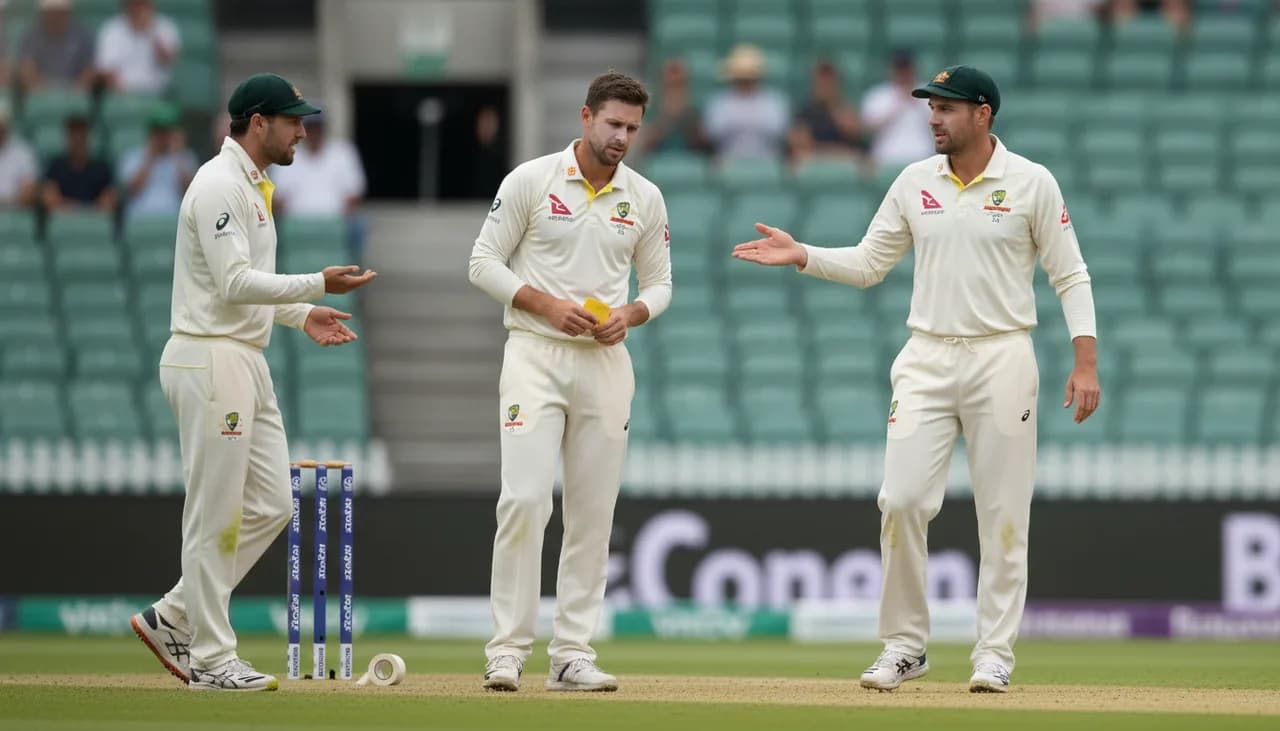

England's managing director of cricket, Rob Key, has issued a stark and clear directive to the England squad ahead of the grueling Ashes tour down under: "to be smart and not get caught doing stupid things." This call for discipline and professionalism underscores the immense pressure and unique challenges that an Ashes series in Australia presents, where on-field intensity is matched by off-field scrutiny.
The Perils of Touring Australia
The history of England tours to Australia is littered with tales of off-field incidents that have derailed campaigns and damaged reputations. From the infamous "Fredalo" episode involving Andrew Flintoff during the 2006-07 whitewash to various late-night altercations and social media missteps, England players have often found the combination of fierce competition, intense media spotlight, and a different social culture to be a combustible mix. Key's warning is a pre-emptive strike against this historical trend. He elaborated, "The one thing I've said is 'don't be stupid'... You're going to get people trying to rile you up, trying to catch you out."
The Australian media and public are known for their relentless approach to touring teams, particularly the old enemy, England. Players can expect to be baited in bars, provoked on social media, and have their every move analyzed. Key’s message is about maintaining focus and not providing the opposition or the public with any ammunition. "Be smart enough to realise that and don't get caught doing something stupid," he stressed.
A New Era of Professionalism
This directive aligns with the culture that captain Ben Stokes and head coach Brendon McCullum have cultivated within the Test team. The "Bazball" ethos, while synonymous with aggressive and fearless cricket on the field, is built on a foundation of unwavering professionalism and unity off it. Key’s comments suggest this mindset must extend beyond the boundary rope for the entire tour party. He expressed confidence in the current group, stating, "I think this side is pretty good at that. They're a tight-knit group."
The management's strategy involves empowering senior players to lead by example and ensuring the entire squad understands the collective responsibility they carry. The goal is to avoid the kind of isolated incidents that can snowball into major distractions. Key highlighted the importance of the team environment, suggesting that a strong, self-policing unit is the best defence against external pressures and potential pitfalls.
Key Areas of Focus for the Squad
In practical terms, "not being stupid" encompasses a range of behaviours and scenarios that the players have been briefed on. The team management has likely outlined clear expectations regarding:
- Social Media Engagement: Being extremely cautious about posts, likes, and interactions.
- Nightlife and Curfews: Understanding the consequences of late-night excursions.
- Interactions with Opponents and Public: Avoiding confrontations and heated exchanges.
- Media Comments: Staying on message and not providing inflammatory soundbites.
This proactive approach is designed to eliminate unnecessary noise and allow the team to focus solely on the monumental task of winning the Ashes in Australia, a feat England has not accomplished since the 2010-11 series.
Learning from the Past
The shadow of previous tours looms large. The 2013-14 "Mickey Mouse" episode, where England's players were criticized for their late-night team activities, and the 2017-15 Ben Stokes Bristol incident, which occurred just before an Ashes tour, serve as potent reminders of how quickly things can unravel. Key, having been a commentator and analyst during many of these periods, is acutely aware of this history. His warning is not just generic advice but a learned response to a recurring pattern.
He acknowledged the unique pressure of an Ashes tour, saying, "It's a different animal... Everything is under the microscope. You've got to be aware that people are looking for any little thing they can to try and destabilise you and the team." This sentiment reflects a mature understanding that the battle for the Ashes is fought on multiple fronts, and discipline is as crucial as skill.
Building a Resilient Unit
Ultimately, Key's message is about fostering resilience. By urging players to "be smart," he is calling for emotional intelligence and situational awareness. It’s about knowing when to walk away, when to switch off from the external chatter, and how to channel all energy into performance. This mental fortitude is what often separates successful touring teams from those that capitulate under the intense Australian sun.
The current England setup, with its strong leadership from Stokes and McCullum, appears well-placed to heed this advice. The environment is one of clear communication and mutual trust, which reduces the likelihood of players going off-script. Key's public reiteration of this private briefing serves to reinforce the standards and assure fans and pundits alike that the team is preparing for all facets of the challenge.
Conclusion: A Clear Mandate for Success
As the England squad finalizes its preparations for one of the most demanding tours in cricket, Rob Key's words ring loud and clear. The mandate is simple but profound: play with freedom and aggression on the field, but exercise wisdom and restraint off it. "Be smart and not get caught doing stupid things" is more than just a soundbite; it is the foundational principle for a campaign where discipline could be the deciding factor between bringing the urn home or facing another long, hard summer in Australia.