The controversial experiment of using the Kookaburra ball in the County Championship is reportedly on the brink of being abandoned, with a key vote scheduled for next month likely to bring the two-year trial to a premature end. The move, which has divided players, coaches, and administrators since its inception, was intended to prepare English cricketers for overseas conditions but has been met with widespread criticism over its impact on the domestic game's competitive balance and player development.
The Rationale Behind the Experiment
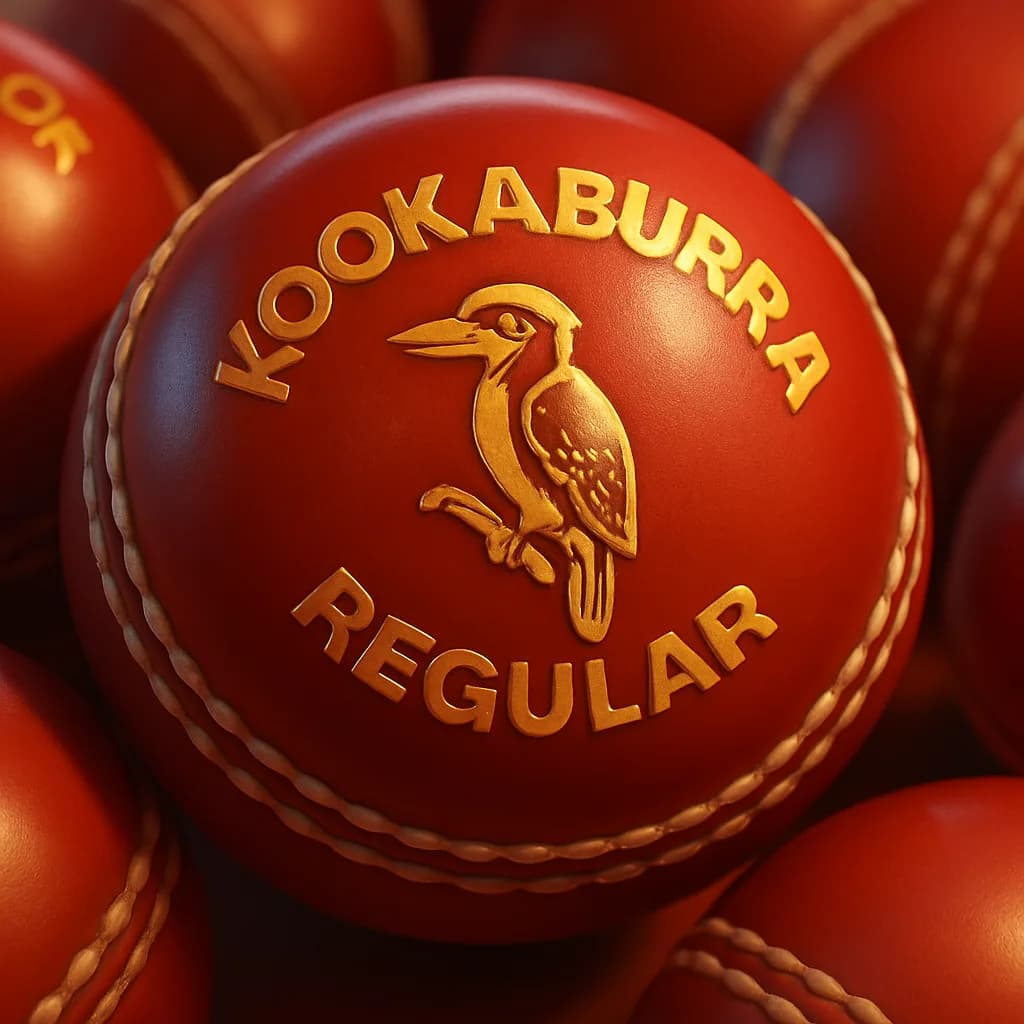
Introduced for a two-year period across the 2024 and 2025 seasons, the Kookaburra ball was mandated for a specific block of matches in the County Championship—specifically, rounds 11-14 in 2024. The primary objective, as championed by the England and Wales Cricket Board's (ECB) high-performance department, was to simulate the challenges English bowlers often face abroad. The traditional English Dukes ball, renowned for its pronounced seam and prolonged swing, offers significant assistance to bowlers in home conditions. In contrast, the Australian-made Kookaburra ball has a flatter, machine-pressed seam that goes soft more quickly, demanding greater skill and discipline from bowlers to extract movement. The theory was that by facing the Kookaburra, England's bowlers would be better equipped for tours to countries like Australia, India, and Pakistan.
Rob Key, the Managing Director of England Men's Cricket, has been a vocal proponent of the trial. He argued that the historical struggles of English bowling attacks abroad necessitated a proactive approach. "We have to find a way of preparing our bowlers, and to some extent our batters, for what they're going to face abroad," Key stated last year. "The Kookaburra ball gives you less margin for error. It teaches you the disciplines you need for international cricket." The experiment was seen as a direct response to England's 4-0 Ashes drubbing in 2021/22, where the attack failed to consistently threaten with the Kookaburra.
Mounting Criticism and Practical Realities
Despite the high-performance rationale, the reality of the Kookaburra's introduction has been starkly different. The primary complaints from players and counties have been multifaceted, creating a coalition of opposition that now seems poised to scrap the experiment. The most frequent criticisms include:
- Lopsided Batting Dominance: With the ball offering less swing and seam movement, and losing its hardness quickly, flat batting pitches have become even more batter-friendly. Bowlers have reported the ball becoming "soft and out of shape" within 20 overs, turning the contest into a gruelling exercise in damage limitation.
- Unfair Impact on the Championship: The trial has been accused of distorting the competition. The specific rounds where the Kookaburra is used can disproportionately benefit or disadvantage teams depending on their fixture list and bowling resources.
- Hindrance to Bowler Development: Young English seamers, learning their craft, are being denied the opportunity to hone their skills with the Dukes ball, which is the very tool that helps develop the techniques needed to succeed in England.
- A Solution in Search of a Problem: Critics argue that the best preparation for overseas tours is not changing the domestic competition, but scheduling more England Lions tours and ensuring better training camps abroad with the Kookaburra ball itself.
The sentiment in the county dressing rooms has been overwhelmingly negative. A senior county coach, who wished to remain anonymous, was quoted as saying, "It's a complete gimmick. We're trying to win the County Championship, not prepare for a Test series in Brisbane. It devalues our competition and makes a mockery of the skills we're trying to develop here." This view is echoed by many bowlers who feel the experiment unfairly penalises them. Veteran seamer Darren Stevens famously described bowling with the Kookaburra in county cricket as "like bowling with a bar of soap."
The Data Doesn't Lie
The statistical evidence from the 2024 season has provided powerful ammunition to the experiment's detractors. An analysis of the Kookaburra rounds compared to the Dukes rounds reveals a significant shift in the balance between bat and ball. The average runs per wicket were substantially higher in matches using the Kookaburra, and the number of centuries scored saw a marked increase. Furthermore, the percentage of wickets falling to seam movement dropped dramatically, while spinners found themselves bowling more overs earlier in the innings—a dynamic more common on the subcontinent than in early-season English conditions. While this was partly the intended effect, the extremity of the shift has alarmed many.
The Imminent Vote and Potential Alternatives
The decision on the future of the Kookaburra experiment rests with the 18 first-class counties. A vote is scheduled for the ECB's board meeting in mid-September, and reports suggest there is a clear majority in favour of terminating the trial after just one season. The feedback from counties has been formally collated, and the overwhelming message is that the disadvantages for the domestic game far outweigh the potential, and debatable, benefits for the national team.
One county director of cricket told ESPNcricinfo, "The feeling among most counties is that it hasn't worked. It creates an uneven competition and doesn't really achieve what it set out to do. I'd be very surprised if it continues into 2025." This sentiment appears to be the consensus, leaving the ECB's high-performance team in a difficult position, forced to defend a policy that has lost the support of its key stakeholders.
Should the vote go as expected, the 2025 County Championship will revert to using the Dukes ball for all matches. However, the conversation about preparing England players for overseas tours will not disappear. Alternative proposals are already being discussed within the ECB, including:
- Expanding the England Lions programme with more dedicated 'A' tours to different continents throughout the year.
- Introducing Kookaburra balls specifically in dedicated high-performance training blocks at the National Cricket Performance Centre in Loughborough.
- Mandating the use of the Kookaburra ball in Second XI cricket for specific periods to expose developing players to its characteristics without compromising the integrity of the first-class championship.
Conclusion: A Well-Intentioned Failure
The Kookaburra ball experiment stands as a classic example of a well-intentioned idea clashing with the practical realities of a professional sport. The ECB's desire to solve England's historical frailties abroad is commendable, but the method of altering the flagship domestic competition has proven to be deeply flawed. By attempting to serve the needs of the national team, the policy inadvertently undermined the very ecosystem that produces England players. The County Championship is a competition in its own right, with its own rhythms, challenges, and skillsets, all finely tuned to the Dukes ball. The Kookaburra trial disrupted this balance, creating a product that felt alien to its participants.
The likely scrapping of the experiment next month is a victory for the counties and players who voiced their concerns. It reaffirms the principle that the domestic game cannot be solely a laboratory for the national team. The challenge for Rob Key and the ECB now is to find more nuanced and less intrusive ways to bridge the gap between county and international cricket, ensuring that England's players are prepared for the world stage without sacrificing the health and integrity of the game at home.