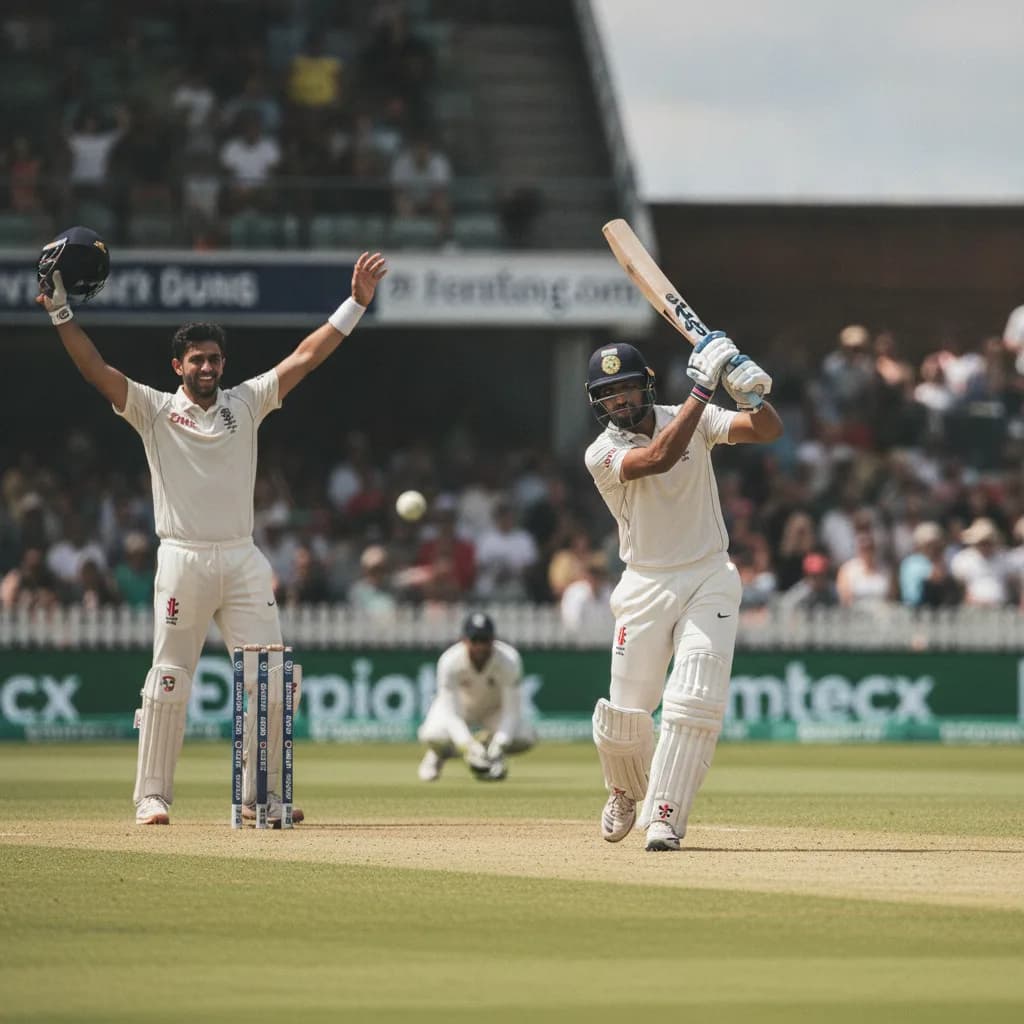
A World Away From The Glamour
While The Hundred fills stadiums with pyrotechnics and pays its stars eye-watering sums — Harry Brook reportedly earning in the region of £465,000 for a single month's work — there exists a parallel cricketing universe that couldn't be more different. Quiet, well-kept village grounds. Small crowds. And young men quietly fighting for their professional lives, one innings at a time. Welcome to second XI cricket.
As a former coach, I've seen plenty of talented youngsters navigate this difficult path. The second XI is where potential meets brutal reality, and where the difference between making it and drifting out of the game can come down to a single good run of form — or a single bad one.
Surviving on a Day Rate
The financial picture for second XI players on trial is stark. Some cricketers turning up to represent County Championship sides on a trial basis are doing so for little more than the UK daily minimum wage — just over £100 a day — with a modest expenses allowance on top. There is no contract, no guaranteed income, and crucially, no obligation from county coaches to keep a trialist informed about where they stand.
That was the reality for Sheridon Gumbs, a 22-year-old who came through the Surrey academy and represented England at Under-19 level, including a tour to Australia in 2023. Despite that pedigree, he spent a full season and a half at Leicestershire playing on that day rate, piecing together what he described as a "hit and hope" career. "You don't have that safety net," Gumbs told BBC Sport, "because coaches are under no obligation to let you know how you're getting on."
The Mental Challenge of the Tightrope
What strikes me most about Gumbs' situation — and those of countless others like him across the county circuit — is the psychological weight of that uncertainty. Imagine turning up to training each day not knowing whether you'll be selected, and if you are, knowing that every performance could either open a door or close one permanently. "It's cut-throat," Gumbs said simply, and he's absolutely right.
Other counties began to take notice of Gumbs during his trial period, which tells you everything about his quality. Yet he stayed the course at Leicestershire, backing himself to eventually earn the contract he deserved. That kind of mental fortitude is every bit as important as technical ability at this level. From a coaching perspective, the players who survive the second XI grind are usually the ones who learn to control the controllables and trust the process — even when the process offers very little reassurance in return.
Patience Rewarded — But the Odds Are Long
Gumbs' perseverance ultimately paid off in the most satisfying way. Just days before The Hundred got under way, Leicestershire handed him a three-and-a-half-year professional contract — a life-changing moment after 18 months of daily uncertainty. "Nothing easy is worth having," he said, and you can't argue with that.
For every Gumbs who earns that deal, though, there are others who don't. The second XI pipeline is tough, and from a betting perspective, if you were ever to wager on which young trialists will break through, look beyond the pure stats — back the ones with the temperament to handle the grind. Sheridon Gumbs had it. His story is a reminder of just how much goes on beneath the surface of professional cricket, far from the floodlights and the fanfare.