The End of an Era for England's Quickest
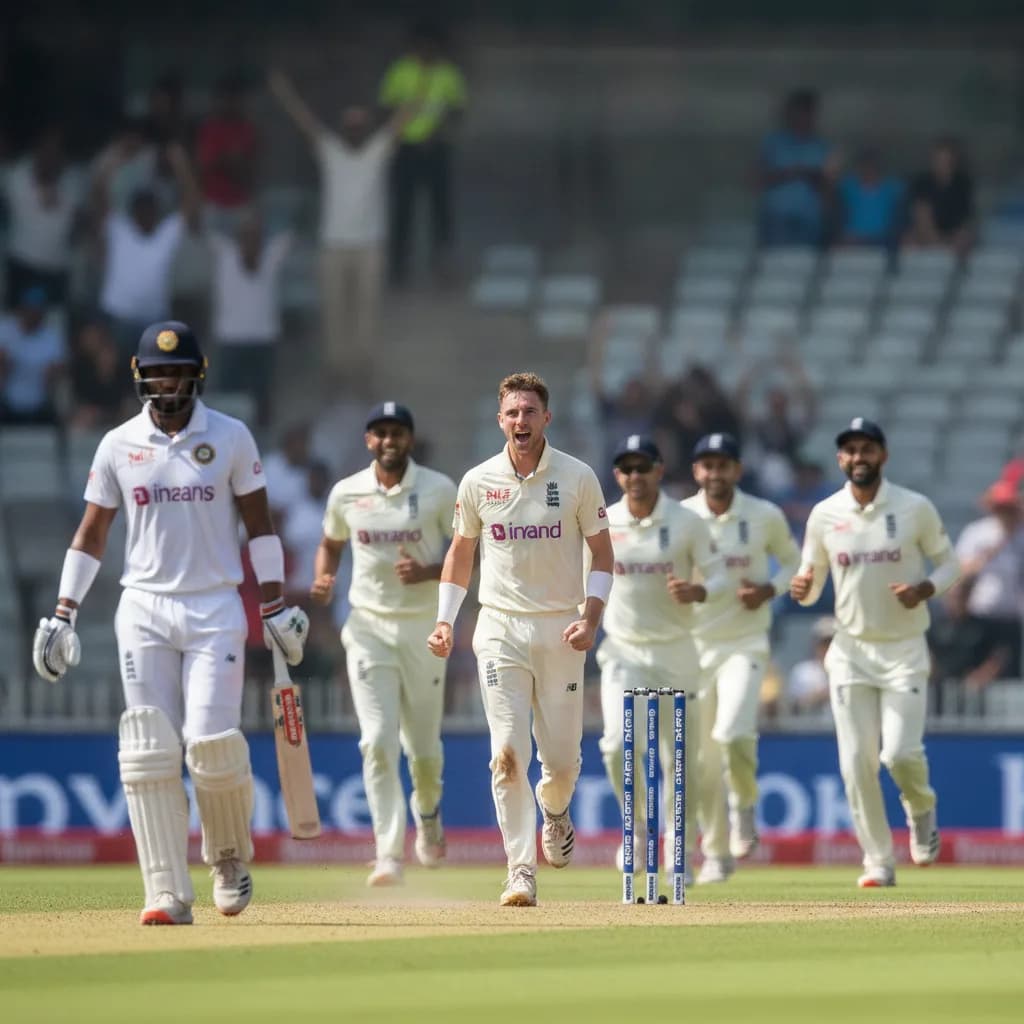
There are few sights in cricket quite as thrilling as Mark Wood in full flight, steaming in with that distinctive action and releasing the ball at speeds that made top-order batters genuinely uncomfortable. Sadly, that spectacle at international level is now behind us. Wood has confirmed his retirement from international cricket with immediate effect, ending a career that was as spectacular as it was frustrating to watch unfold.
The 36-year-old made his England debut back in 2015, and in the decade since he has been one of the most dangerous — and most unfortunate — fast bowlers in world cricket. Taking 119 wickets across 38 Test appearances is a respectable return, but most who watched him will feel that, in a body blessed with a little more durability, those numbers could have been far greater.
A Career Defined by Resilience and Setbacks
Ankle, elbow, knee — virtually every fast bowler's nemesis visited Wood at some point during his career. He repeatedly battled back from surgery and extended lay-offs, each return greeted with genuine excitement by England supporters who knew what he was capable of on his day. In 2018, in a bid to reduce the physical toll on his body, he lengthened his run-up, and that adjustment did allow him to contribute meaningfully to some of England's greatest recent achievements.
His most recent comeback attempt came during last winter's Ashes opener in Perth, where he returned to the England side after an absence of 15 months caused by an elbow injury and subsequent knee surgery. He bowled just 11 overs before the same left knee flared up again, forcing him onto a flight home. He never played for England again. When even a man of Wood's extraordinary determination cannot find a way through, it speaks volumes about the physical reality he was dealing with.
A World Cup Winner and English Cricket Icon
It would be wrong to dwell only on what might have been, because what Wood actually achieved was considerable. He is a two-time World Cup winner, part of England squads that rewrote how white-ball cricket is played. His raw pace was a genuine weapon in those campaigns, providing a dimension that few other bowlers on the planet could match at their best.
In his retirement statement on social media, Wood was candid about the journey. "I've always tried to be resilient and come back from injury to prove people wrong," he wrote, adding that "this time I lost the battle." He also confirmed that medical advice had ruled out both Test and 50-over cricket, and acknowledged that the dream had gradually been worn away over the past year. It is a poignant but honest reflection from a man who gave everything he had to representing his country.
What Comes Next for Wood and England
Wood has indicated he hopes to keep playing cricket in some capacity, whether that means a T20 franchise circuit or county cricket with Durham remains to be seen. For punters monitoring England's bowling stocks ahead of upcoming series, his absence further firms up the need for Brendon McCullum's side to blood emerging pace options — something likely to shift the markets around England's Test outright odds for the summer.
As a coach, I have seen many players battle through injury, but few did so with Wood's sheer heart and good humour. English cricket is richer for everything he gave it, and poorer for the fact that his body ultimately dictated the terms. A magnificent cricketer, and an even better ambassador for the game.