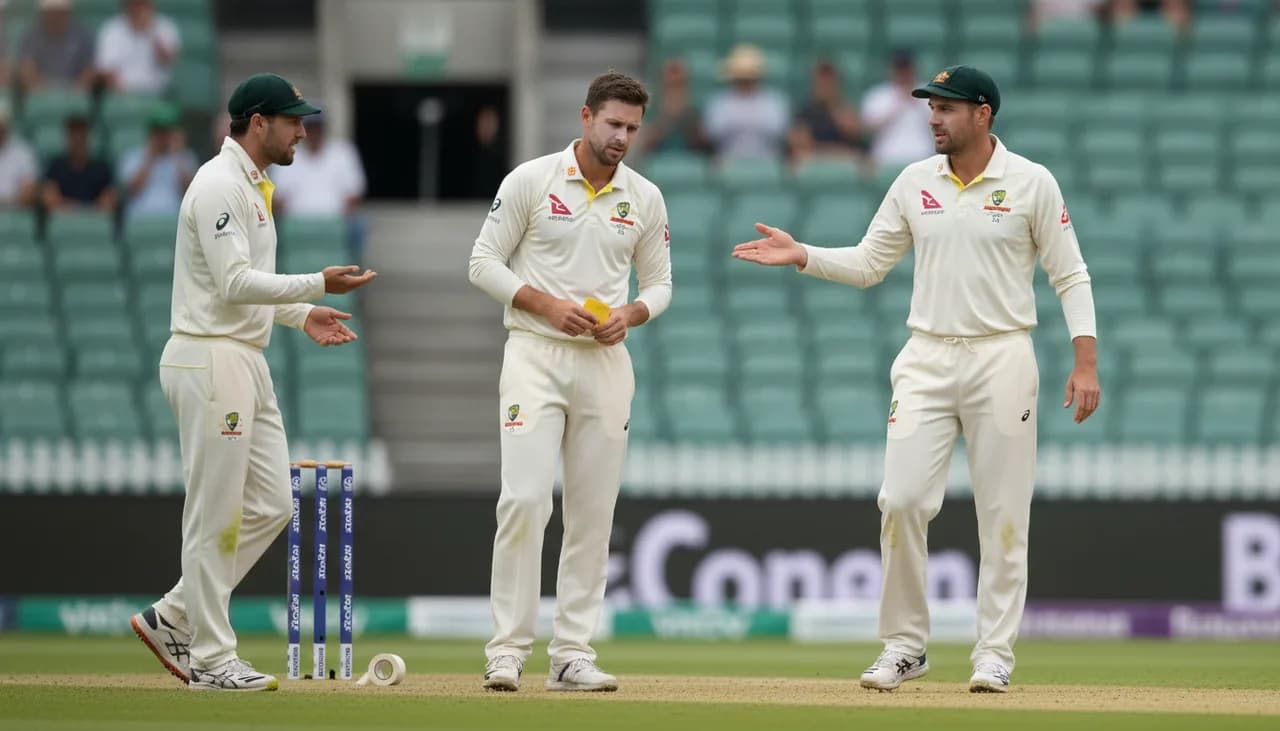
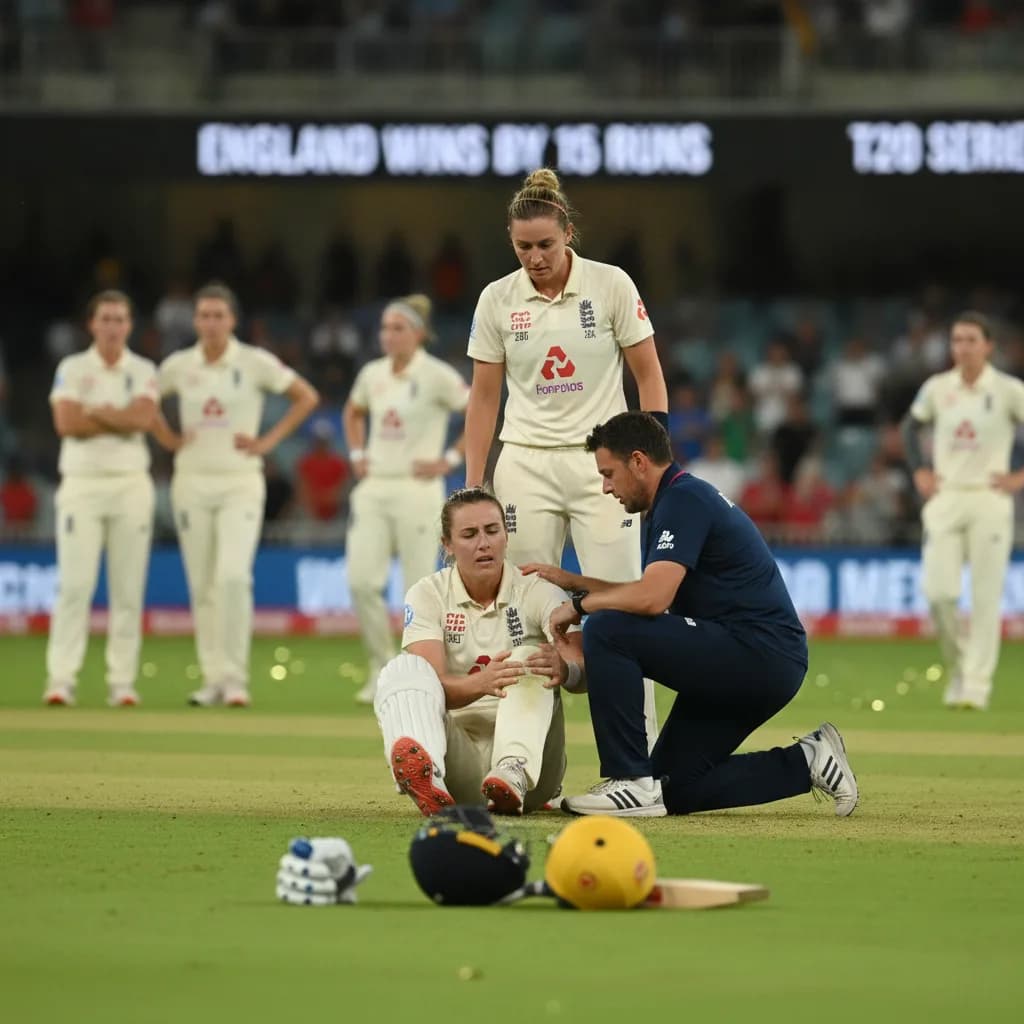
NEW DELHI — The Marylebone Cricket Club (MCC), the guardian of the Laws of Cricket, has published a detailed explanation clarifying the controversial run-out decision involving Pakistan's Muneeba Ali during the high-stakes Women's T20 World Cup 2023 group stage match against India. The incident, which sparked significant debate among fans and pundits alike, was ultimately deemed correct by the umpires after a thorough review, and the MCC's analysis confirms they reached the right conclusion.
The Incident That Stopped the Game
The pivotal moment occurred during Pakistan's innings. Muneeba Ali played a delivery from India's Deepti Sharma towards the off-side and set off for a quick single. Indian wicketkeeper Richa Ghosh swiftly collected the ball and, in one fluid motion, broke the stumps. The on-field umpire was initially unsure and referred the decision to the TV umpire. After multiple replays from various angles, Muneeba was given out, leaving the Pakistani camp visibly disappointed and triggering a wave of discussion on social media and in commentary boxes about the interpretation of the crease laws.
The core of the controversy lay in the position of Muneeba's bat. In real-time, it appeared she might have made her ground. However, the slow-motion replays revealed a critical detail: while the bat was grounded over the popping crease, it had bounced up into the air at the precise moment the bails were dislodged by Ghosh's throw. This momentary loss of contact with the ground, despite the bat being within the crease, was the deciding factor.
The MCC's Law and Its Interpretation
To understand the decision, one must refer to Law 30.1, which clearly defines when a batter is made safe from being run out. The Law states that a batter "shall be considered to be grounded beyond the popping crease unless, as in 30.2, his/her bat or person becomes airborne after having been grounded behind the popping crease."
The MCC's explanation, published on their official website, emphasized this exact point. They wrote, "The key here is that the bat must be grounded. If it is not, then the batter cannot be safe. In this instance, the bat, which had been grounded inside the crease, was lifted into the air at the moment the wicket was put down. Therefore, according to the letter of the Law, the correct decision was Out."
This clarification underscores a fundamental and often misunderstood aspect of the game. A batter's safety is not determined by the location of their bat in three-dimensional space, but by its continuous and physical contact with the ground behind the popping crease.
Common Misconceptions Debunked
The MCC used this opportunity to address several common misconceptions that arise from such incidents:
- The "Line Belongs to the Batter" Principle: This is true, but only if the bat or person is grounded. The line itself does not grant safety; it is the act of grounding the bat behind it that does.
- The "Benefit of the Doubt": This concept is often cited but is largely a relic of the past. With the advent of high-definition, slow-motion, and ultra-motion cameras, the third umpire's role is to find conclusive evidence. If the evidence shows the bat was airborne, there is no doubt to be given.
- The "Spirit of Cricket" Argument: Some argued the dismissal was against the spirit of the game. The MCC countered this by stating that applying the Laws correctly is the very foundation of the spirit. They noted, "Playing by the Laws is the primary tenet of the Spirit of Cricket. This was a correct application of the Law."
The Role of Technology in the Decision
The Muneeba Ali run-out is a prime example of how broadcast technology has fundamentally changed the game's officiating. What appeared to the naked eye of players, fans, and even the on-field umpire as a potential not-out decision was revealed to be out by the unforgiving eye of the camera. The side-on angle, in particular, provided the definitive evidence that the bat had lost contact with the ground.
A spokesperson for the International Cricket Council (ICC) supported the process, stating, "The umpiring team followed the correct protocol. The on-field umpire, uncertain due to the close nature of the event, made the right call to go upstairs. The third umpire then had the necessary technology to make a conclusive decision based on the evidence presented."
Historical Context and Similar Dismissals
This is not an isolated incident in cricket history. The most famous parallel is the run-out of England's Ian Bell against India in 2011, where a very similar occurrence took place. More recently, several high-profile players have fallen victim to this precise interpretation of the law in various T20 leagues around the world. Each instance serves as a stark reminder to batters and coaches of the critical importance of sliding the bat and keeping it grounded until well after they have completed the run.
The MCC's proactive communication in explaining this decision has been widely praised by former players and analysts. Former England captain Nasser Hussain commented on air, "It's a tough way to get out, but it's the law. The MCC's explanation is helpful for everyone watching to understand why that is out. It removes the ambiguity."
Conclusion: A Lesson in Cricket's Nuances
While the dismissal of Muneeba Ali was a crucial turning point in a match that India went on to win, its greater significance lies in its educational value. The controversy provided the MCC with a high-profile platform to reiterate a fundamental law of the game, one that is frequently misunderstood. For players, it reinforces a basic technical point: the bat must be dragged and kept grounded. For fans and officials, it highlights the symbiotic relationship between the ancient Laws of Cricket and modern technology, ensuring that the correct decision, however narrow or controversial it may seem in the heat of the moment, is ultimately reached.
The MCC concluded their statement by affirming, "The Laws are designed to be clear and to be applied consistently. This decision, while difficult for the batting side, was correct according to Law 30.1. Understanding these nuances is part of the rich tapestry of the sport." In the end, the incident serves as a perfect case study in how cricket's lawmakers and officials work in tandem to uphold the integrity of the game.