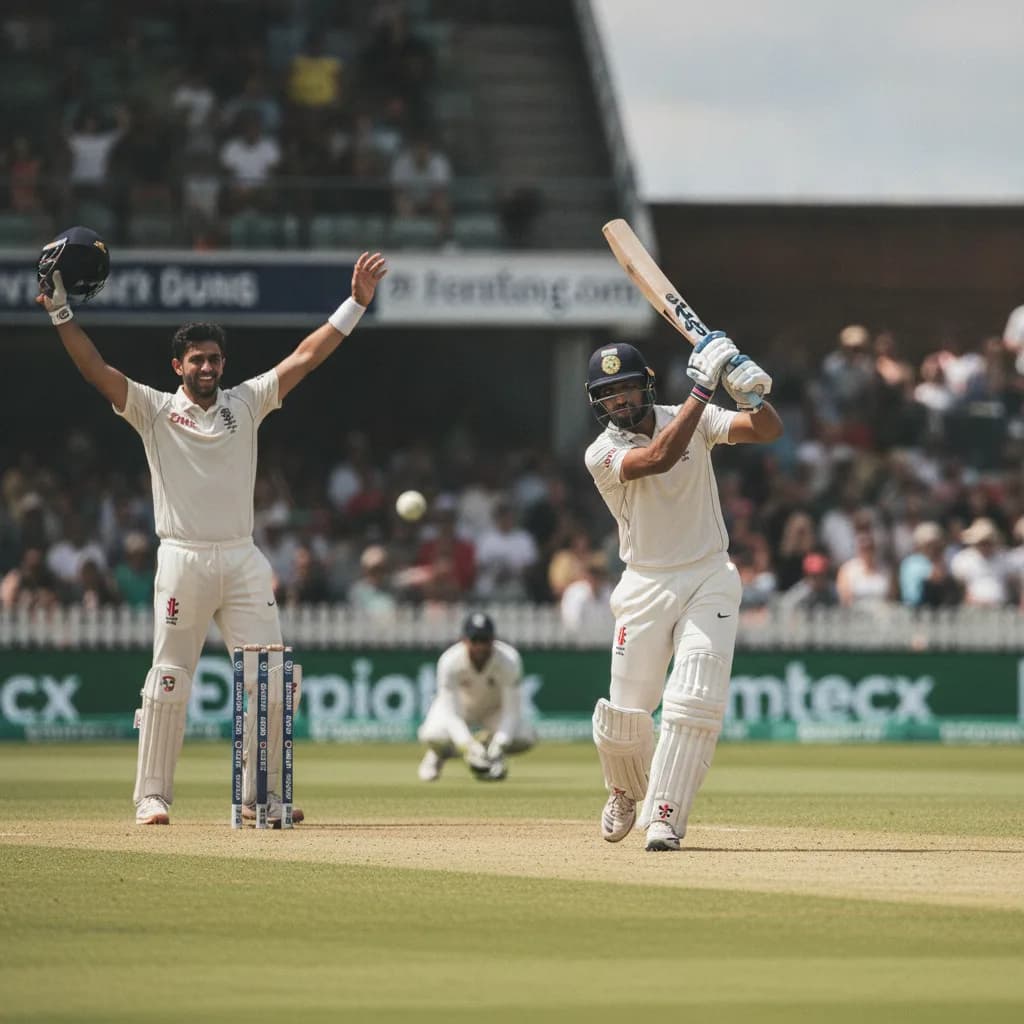
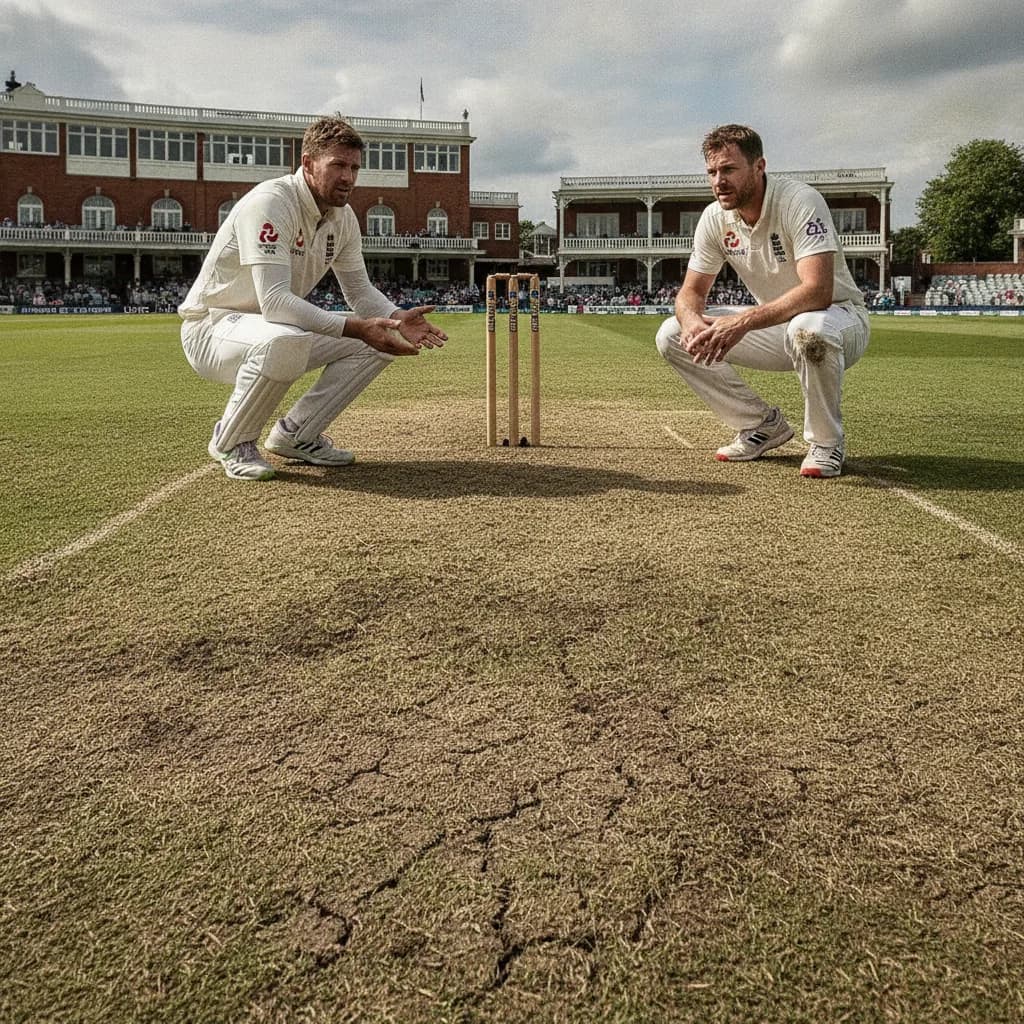
BIRMINGHAM — England head coach Brendon McCullum has admitted his team "probably" made a tactical error by opting to bowl first in the second Test against India at Edgbaston, a decision that contributed to their heavy 336-run defeat. The loss marked England's second-worst margin by runs in home Tests since 2018.
Speaking to Sky Sports after the match, McCullum acknowledged the miscalculation: "With hindsight, we probably would've batted first. The pitch looked like it had a bit in it, but it didn't quite play that way. India showed us how to play on that surface, and we were outplayed in all departments." England were bowled out for 284 in their first innings, conceding a 132-run lead that India capitalized on with a dominant second-innings declaration.
The Toss That Backfired
McCullum's admission highlights a rare misstep in England's aggressive "Bazball" approach under his leadership. Since taking charge in May 2022, England had won 11 of their previous 13 Tests batting first. However, at Edgbaston, captain Ben Stokes chose to field despite:
- Overcast morning conditions fading by lunch
- A dry pitch offering minimal seam movement
- India's formidable pace attack waiting to exploit the same conditions
Former England captain Nasser Hussain criticized the decision during commentary: "This is classic English overthinking. When it's grey overhead, you bowl. But this pitch is bone dry underneath. India would've batted, and they've got three seamers who could exploit these conditions better than England." His prediction proved accurate as India's seamers claimed 14 of England's 20 wickets.
India's Masterclass in Adaptation
India's first-innings total of 416 demonstrated how conditions favored batting after the initial hour. Centuries from Ajinkya Rahane (89) and Ravindra Jadeja (131*) exposed England's misjudgment. McCullum noted: "Their batters adapted quicker. We expected more sideways movement, but it became a proper batting wicket by day two."
Key Statistical Differences
The numbers underscored England's tactical blunder:
- India's seamers averaged 22.8 runs per wicket
- England's seamers averaged 34.2 runs per wicket
- India scored at 3.8 runs per over in their first innings
- England managed just 2.9 runs per over in theirs
Former India coach Ravi Shastri observed: "This was a pitch where you needed runs on the board. England's batting has been their strength, but they let India dictate terms. Once you're chasing the game against this Indian attack, it's nearly impossible." India's bowlers, particularly Jasprit Bumrah (6/45 across two innings), thrived with scoreboard pressure.
Historical Context of the Decision
Edgbaston's recent history made England's choice more puzzling. In the last five Tests before this match:
- Teams batting first averaged 385 in first innings
- The team batting first won three times, lost once
- Day two consistently proved the best for batting
McCullum conceded: "We've got to be smarter in reading conditions. That's on me as much as the leadership group." The defeat ended England's run of six consecutive home series wins and handed India their first Test victory at Edgbaston since 1986.
Looking Ahead to the Next Test
With the series moving to Headingley, McCullum hinted at changes: "We'll review everything - selection, tactics, preparation. The beauty of this group is we learn fast. We got some things wrong here, but that doesn't mean we abandon our philosophy. We just need to execute better." Potential adjustments include:
- Recalling James Anderson for his swing expertise
- Promoting Harry Brook up the batting order
- Reassessing the balance between aggression and pragmatism
As England regroup, McCullum's candid assessment sets the tone for their response. His willingness to admit the error contrasts with previous regimes and aligns with the team's transparent culture. Whether this approach yields quick corrections at Headingley may define England's summer - and India's quest for a historic series win on English soil.