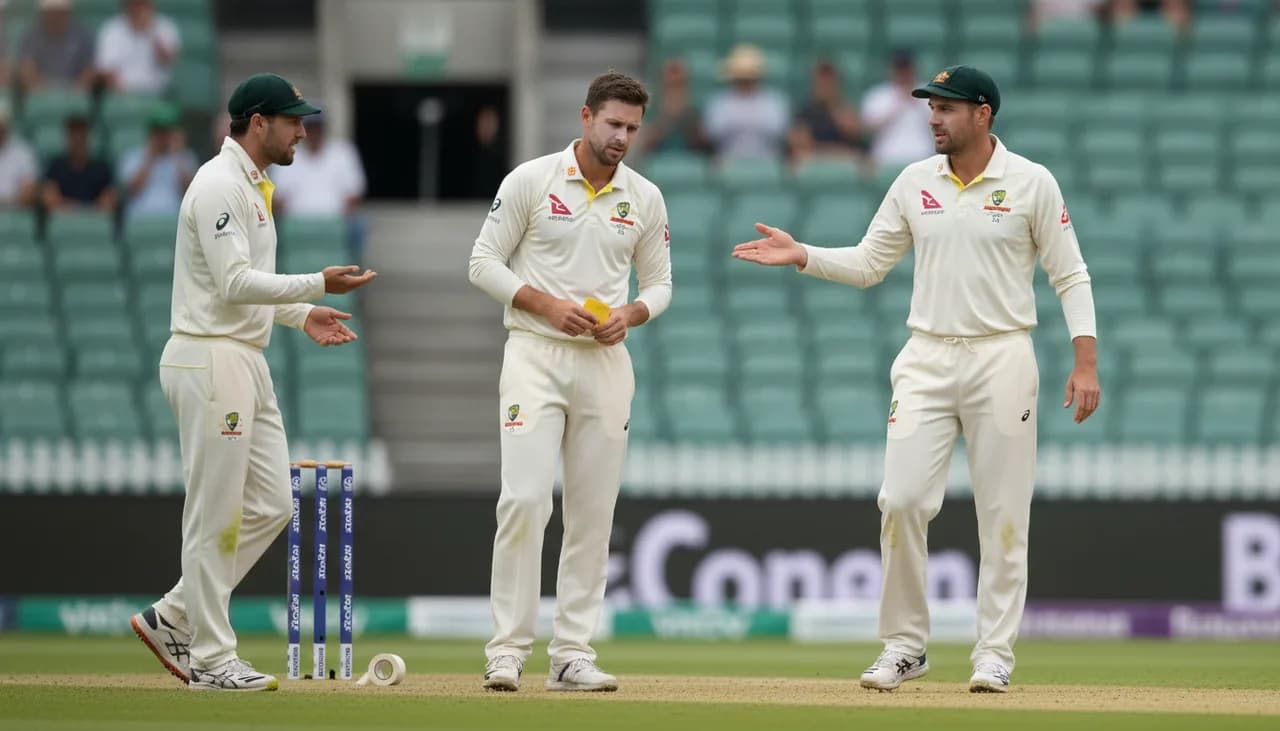
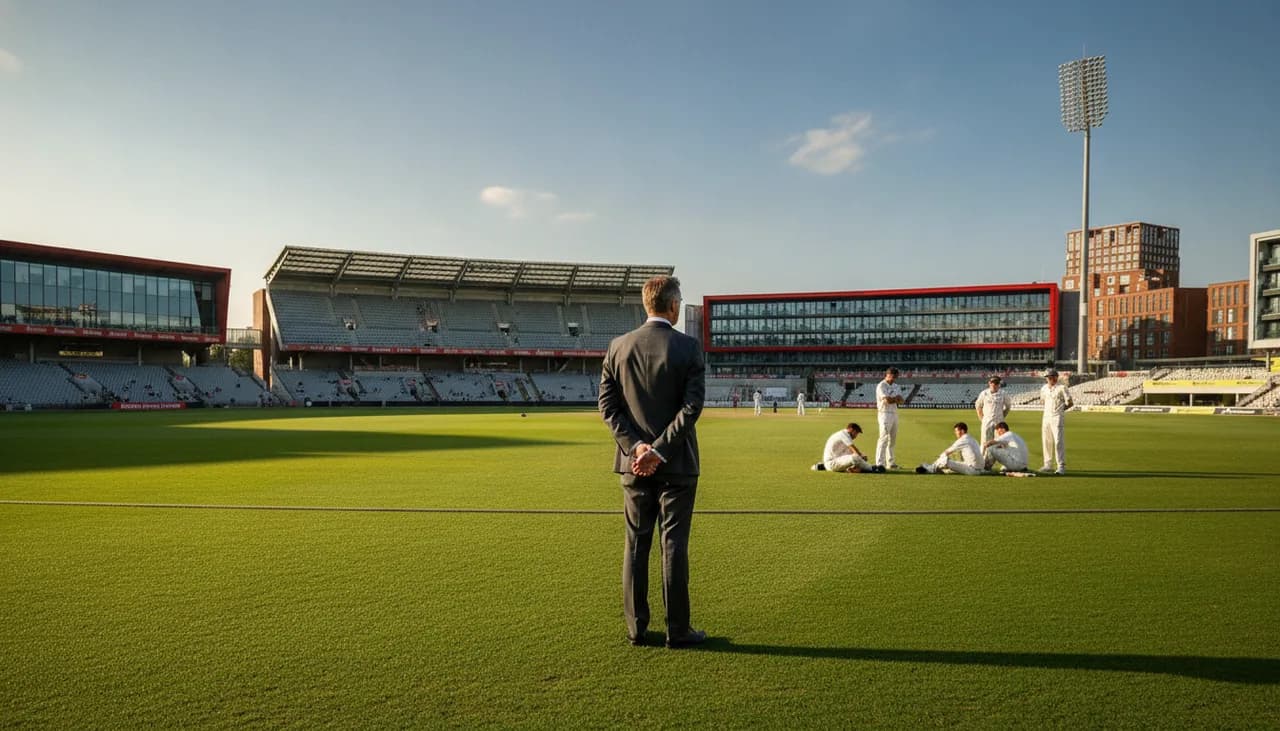
MELBOURNE — England captain Ben Stokes has launched a stinging critique of the pitch used for the second Ashes Test at the Melbourne Cricket Ground in 2022, suggesting a severe double standard in global cricket. Stokes asserted that had a similar surface been prepared in a country like India or Pakistan, it would have provoked an international outcry and potentially led to sanctions from the sport's governing body.
The match in question, the Boxing Day Test of the 2021-22 series, saw England bowled out for 185 in their first innings before skittling Australia for 267. England then collapsed to 68 all out in their second innings, their lowest total in Australia since 1904, handing the hosts a comprehensive innings victory inside two days. Only 216.1 overs were bowled in total, making it the shortest completed Test in Australia since 1932.
A Surface Under Scrutiny
While Australia's pace attack, led by Scott Boland's remarkable 6-7 in the second innings, was devastating, the focus quickly turned to the MCG pitch. The surface offered excessive seam movement and inconsistent bounce from the very first session, making batting a lottery. Critics described it as "sub-standard" and "not befitting a Test match," with several deliveries keeping dangerously low or leaping unexpectedly from a good length.
Reflecting on the match years later, Stokes pulled no punches in his assessment of the perceived hypocrisy. "If that pitch had been produced in another part of the world, there would be hell on. But because it was in Australia, and it was Australia vs. England, it was just: 'Oh, it's a bit below average.' That's where it becomes frustrating," he stated.
His comments allude to the International Cricket Council's (ICC) pitch and outfield monitoring process, which can rate surfaces as "poor" or "unfit." Such ratings have historically been more frequently handed to subcontinental venues. Stokes implied that the MCG pitch escaped the severe censure it might have received elsewhere, highlighting an unconscious bias in how playing conditions are judged globally.
The Aftermath and Official Response
In the immediate aftermath, then-Australia captain Pat Cummins admitted the pitch was " tricky," while England's then-coach Chris Silverwood was more direct, calling it a "very challenging surface." The official ICC match referee, David Boon, ultimately rated the MCG pitch as "average" – the middle rating on the scale. This rating, while not a glowing endorsement, meant the venue avoided a demerit point, which can lead to suspension from hosting international cricket.
The "average" rating sparked debate. Many pundits and former players argued that a pitch producing a two-day finish, dominated by seam bowlers with batters unable to trust the bounce, should warrant a "poor" classification. The key factors considered in an ICC rating include:
- The degree of turn or seam movement.
- The consistency of pace and bounce throughout.
- The balance between bat and ball and whether it allows for an even contest.
Stokes's argument centers on the belief that a pitch in Asia offering similar extreme turn from day one would almost certainly be penalized. "We've seen grounds and venues around the world get a lot of flak for producing surfaces like that. But when it's in Australia, it's just 'below average'. It's a very, very double-standards thing," he elaborated.
A Broader Pattern of Perceived Bias
This is not an isolated complaint. Captains and coaches from subcontinental nations have long argued that the criteria for pitch assessment are applied unevenly. A raging turner in India that leads to a three-day finish is often criticized for being "unfit for Test cricket," while a green, seaming pitch in England or South Africa that produces a two-day finish is frequently praised as "sporting" or "challenging."
The Stokes comments bring this simmering issue back to the fore. They challenge the ICC and its panel of match referees to apply a truly universal standard. The concern is that the narrative surrounding a pitch can be influenced by its location and which team's bowling attack it favors, rather than an objective measure of its quality and fairness.
The Legacy of the MCG Pitch
Since that 2022 Test, the MCG curators have consciously produced flatter, higher-scoring pitches for subsequent Ashes and Test matches, seemingly in response to the criticism. The 2023 Boxing Day Test between Australia and Pakistan, for instance, was a run-fest that petered out into a tame draw. This swing from one extreme to another highlights the difficult balance curators must strike and the intense scrutiny they are under, a scrutiny Stokes feels is not equally distributed.
Ultimately, Ben Stokes's remarks are less about sour grapes over a heavy defeat – England were already 2-0 down in the series – and more about calling for consistency and fairness in the governance of the game. By stating, "there would be hell on," he gives voice to a widespread frustration that the standards applied to cricket's iconic venues may not be the same as those applied elsewhere, questioning the very integrity of the sport's playing regulations.