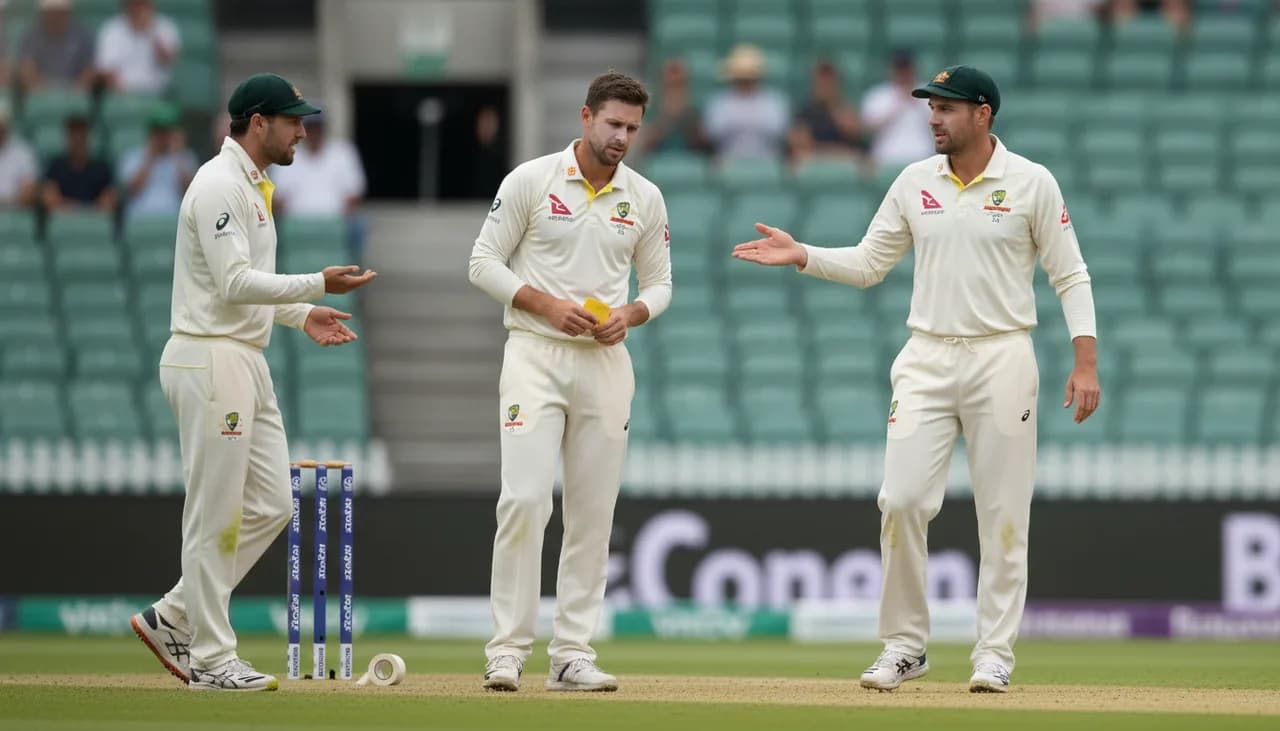
MELBOURNE — The International Cricket Council (ICC) has delivered a damning verdict on the pitch used for the third Ashes Test at the Melbourne Cricket Ground (MCG), rating it as "unsatisfactory" under its pitch and outfield monitoring process. The decision, which comes with a demerit point for the iconic venue, follows a match that concluded inside two days, the shortest completed Ashes Test in over 70 years, with Australia sealing the series with a comprehensive innings victory.
A Match That Sped to a Premature Conclusion
The Boxing Day Test, a marquee event in the Australian sporting calendar, was over before the traditional rest day. England, bowled out for 185 in their first innings, could only muster 68 in their second—their lowest total in Australia since 1904. Australia's 267 all out proved more than enough. The rapid conclusion, while thrilling for Australian fans, raised immediate and serious questions about the quality of the playing surface, which offered excessive seam movement and unpredictable bounce from the outset.
Match referee David Boon, the former Australian batsman, submitted his report expressing clear concerns. "The pitch for the Boxing Day Test was very difficult to bat on," Boon stated. "The ball bounced steeply and sometimes kept low on the first day, making it extremely challenging for the batters. There was excessive seam movement on the first day, and it continued on the second day. In my view, the pitch did not allow an even contest between bat and ball."
The ICC's Demerit Point System Explained
The "unsatisfactory" rating triggers a specific penalty under the ICC's regulations. The Melbourne Cricket Ground receives one demerit point. These points remain active for a rolling five-year period. The consequences escalate with accumulating demerits:
- One demerit point: Serves as a formal warning.
- Three demerit points: The venue is suspended from hosting international cricket for 12 months.
- Five demerit points: The suspension extends to 24 months.
This is not the MCG's first offence. The venue received a "poor" rating and one demerit point for a similarly substandard pitch during the 2017 Boxing Day Test against England, a match that also ended decisively within four days. That demerit point has now expired, meaning the MCG starts afresh with this latest sanction.
Reactions from Players and Pundits
The player response during and after the match was telling. England captain Joe Root, who top-scored for his side with a gritty 50 in the first innings, was visibly frustrated. He described the conditions as "very challenging" and suggested the pitch had undue influence on the result. Australian players, while celebrating a series win, acknowledged the surface was treacherous. Steve Smith called it the "most challenging MCG wicket" he had batted on.
A Broader Context of Pitch Criticism
The ICC's ruling places the spotlight back on the perennial debate about home advantage and pitch preparation. While curators are expected to produce pitches that reflect local conditions, the ICC's guidelines mandate they provide a "fair contest between bat and ball." The Melbourne pitch was seen as falling well short of this standard, favoring bowlers to an extreme degree. This incident follows other recent pitch controversies, including a "below average" rating for the Gabba surface used in the 2021-22 Ashes, indicating a pattern of concern in Australian Test cricket.
Cricket Australia (CA) has 14 days to appeal the ICC's rating. In a statement, a CA spokesperson acknowledged the report: "We respect the ICC's match referee process and will consider the report before providing any formal response. The MCG groundstaff have consistently prepared high-quality Test match pitches over many years, and we look forward to continuing to work with them to produce the best possible surfaces for international cricket." The Melbourne Cricket Club, which manages the ground, expressed disappointment but indicated it would review the referee's findings in detail.
Implications for the MCG's Legacy
The "unsatisfactory" rating is a significant blow to the prestige of the MCG, a ground with a storied history in cricket. Hosting over 100,000 fans on Boxing Day is a tradition, but the spectacle is undermined if the pitch itself becomes the central talking point. The demerit point system is designed to incentivize venues to maintain consistent, high-quality playing conditions. With this latest mark against its name, the pressure will be immense on the MCG curators to produce a pitch of unquestionable standard for the next Test match, scheduled to be against India in the 2024-25 summer.
Beyond the sanction, the match has reignited discussions about the health of Test cricket. While two-day finishes create dramatic headlines, many within the game worry they undermine the format's core appeal—the prolonged, strategic battle over five days. Broadcasters and hosting boards also face significant commercial complications when matches finish prematurely, affecting ticket sales, hospitality, and advertising revenue.
Conclusion: A Wake-Up Call
The ICC's "unsatisfactory" rating for the Melbourne Ashes pitch is more than a bureaucratic ruling; it is a clear message about standards. It underscores that even the most hallowed cricketing venues are accountable for the quality of the contest they provide. While home advantage is a cherished part of Test cricket, it cannot come at the expense of a fair and credible battle between bat and ball. The demerit point now hanging over the MCG serves as a stark reminder to curators worldwide that the art of pitch preparation must balance tradition with the imperative of a viable, competitive match. The hope for fans and the ICC alike will be that this decision leads to more balanced surfaces, ensuring that future Boxing Day spectacles are remembered for heroic performances, not for a pitch that dictated the outcome before a ball was bowled.