
KATHMANDU — Following a historic and spirited start to their maiden ICC Men's T20 World Cup campaign, Nepal captain Rohit Paudel has issued a bold and heartfelt appeal to cricket's traditional powerhouses, particularly England, to schedule tours to Kathmandu and help fuel the sport's explosive growth in the Himalayan nation.
Nepal's thrilling performances in the USA and West Indies, including a nail-biting one-run loss to South Africa and a commanding victory over Sri Lanka in the group stages, have captured the imagination of the global cricket community. The team's fearless brand of cricket, backed by the deafening support of their legion of fans, has underscored their arrival on the world stage. Now, Paudel believes the logical next step is for the sport's elite to bring the game to Nepal's doorstep. "We have shown we can compete. Now we need the opportunity to host," Paudel stated.
A Call for Recognition and Reciprocal Tours
In an exclusive interview following the conclusion of Nepal's World Cup journey, Paudel emphasized that hosting full-member nations is crucial for the sustainable development of cricket in Nepal. While Nepal has toured countries like India, Pakistan, and the UAE for bilateral series and qualifiers, they have never hosted a top-tier nation for an official bilateral series on home soil. "We travel all over the world to play, and our fans follow us everywhere. Imagine what it would mean to have an England or an Australia come to play at the Tribhuvan University International Cricket Ground in Kirtipur," Paudel said, his eyes lighting up. "It would inspire a generation and show our players that the world of cricket truly sees us as equals."
The Nepal captain's call is not just about spectacle; it's a pragmatic request for high-level competition. Playing in familiar conditions against the world's best, Paudel argues, is the only way for his young team to bridge the experience gap. The benefits of such tours are multifaceted:
- Infrastructure Boost: Hosting a major nation would accelerate upgrades to stadiums, training facilities, and broadcast capabilities.
- Financial Injection: A high-profile tour generates significant revenue through broadcasting rights, sponsorship, and tourism.
- Youth Inspiration: Seeing heroes like Jos Buttler or Ben Stokes in person would be an unparalleled motivator for aspiring cricketers.
- Competitive Sharpness: Regular matches against top-tier opposition are essential for long-term improvement and consistency.
The "12th Man": Nepal's Unmatched Fan Support
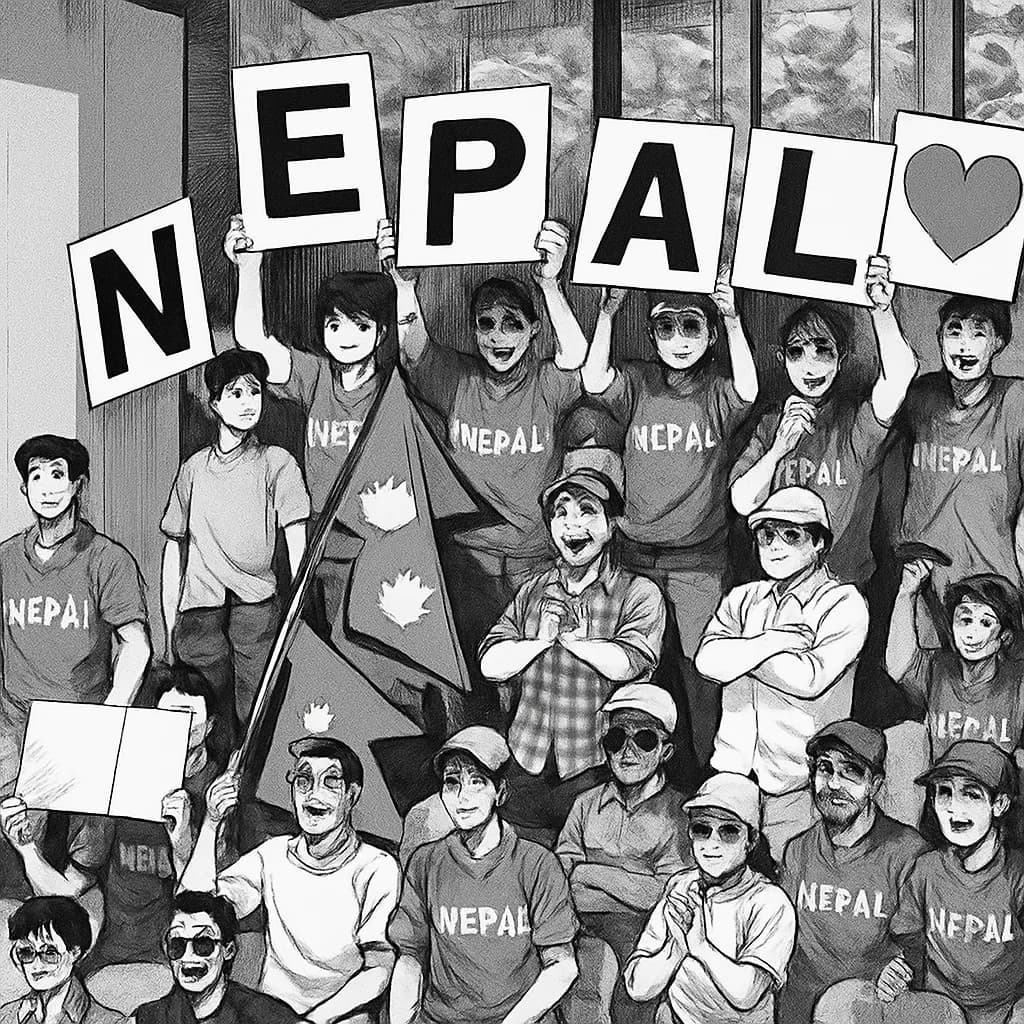
Any discussion about cricket in Nepal is incomplete without mentioning the passionate, cricket-crazy fanbase. During the World Cup, stadiums in Dallas and Kingstown were painted red and blue, with the echoes of "Nepal, Nepal!" and the rhythmic beat of drums creating a home-game atmosphere thousands of miles away. This phenomenon is what Paudel believes makes Nepal a uniquely attractive destination for touring teams. "We have the most passionate fans in the world," he declared. "Any team that comes to Nepal will experience an atmosphere they will never forget. It's pure love for the game."
Social media has been flooded with clips of Nepali fans celebrating in villages and city squares at all hours, demonstrating a national obsession that transcends the sport itself. This ready-made, electrifying audience is a broadcaster's dream and offers visiting teams a chance to connect with a new, deeply engaged cricket market. The potential for growing the game's commercial footprint through engagement with Nepal's massive diaspora and local support is significant.
England's Role and the "Big Three" Responsibility
While Paudel extended an open invitation to all full-member nations, he specifically mentioned England, a nation with a rich cricketing history and the resources to pioneer such a tour. The England and Wales Cricket Board (ECB) has previously undertaken development tours and has a history of growing the game globally. A short T20 series or even a visit from the England Lions development squad would be a monumental starting point. "England is the home of cricket. For them to come to the Himalayas would send the strongest possible message that cricket is a global game," Paudel noted.
This appeal also places a spotlight on the responsibility of cricket's wealthiest nations—India, England, and Australia—to actively foster the sport's growth beyond traditional borders. The ICC's Future Tours Programme (FTP) is often dominated by lucrative series between these major nations, leaving limited windows for tours to emerging cricketing countries. Advocates for the sport's expansion argue that a more equitable distribution of tours is essential for its long-term health. Nepal's compelling World Cup story provides the perfect narrative to justify such a shift in scheduling priorities.
Logistical Considerations and the Path Forward
The primary hurdle to hosting a major nation has historically been infrastructure. The Tribhuvan University ground, while a fortress for the national team, has limited seating capacity and facilities compared to international standards. However, significant investments are being made. The construction of a new, modern international cricket stadium in Chitwan, with a capacity of 30,000, is a clear signal of intent from the Cricket Association of Nepal (CAN) and the government. Paudel is confident the will to improve exists. "We are building for the future. We have the passion and the will. What we need now is the faith from the cricketing world to schedule those tours," he asserted.
A Legacy Beyond the World Cup
Nepal's T20 World Cup 2024 campaign will be remembered for their grit, skill, and the joy they brought to their supporters. However, Captain Rohit Paudel is determined to ensure the legacy is not just a fond memory but a catalyst for tangible progress. The call for tours is about securing Nepal's future in the sport, moving from being celebrated as plucky underdogs to becoming a respected, regular competitor on the world stage. "This World Cup was not our destination; it was a stepping stone," Paudel concluded, his voice firm with resolve. "We have proven we belong. Now we ask the world to come and see for themselves what Nepali cricket is all about. Come to Kathmandu. Play in our home. Help us write the next chapter."
The ball is now in the court of the International Cricket Council and the boards of the major nations. Whether they heed the call from the captain of one of cricket's most vibrant new forces will be a true test of the sport's commitment to being a genuinely global game.