A New Era — But at What Cost to Identity?
As someone who has spent years around cricket dressing rooms, I know how important team identity is. The bond between a squad and its supporters rarely happens overnight — it is built slowly, through shared wins, painful losses, and a culture that supporters can genuinely call their own. That is precisely why the first season of The Hundred under private ownership has thrown up such fascinating and, at times, awkward questions about what these franchises actually stand for.
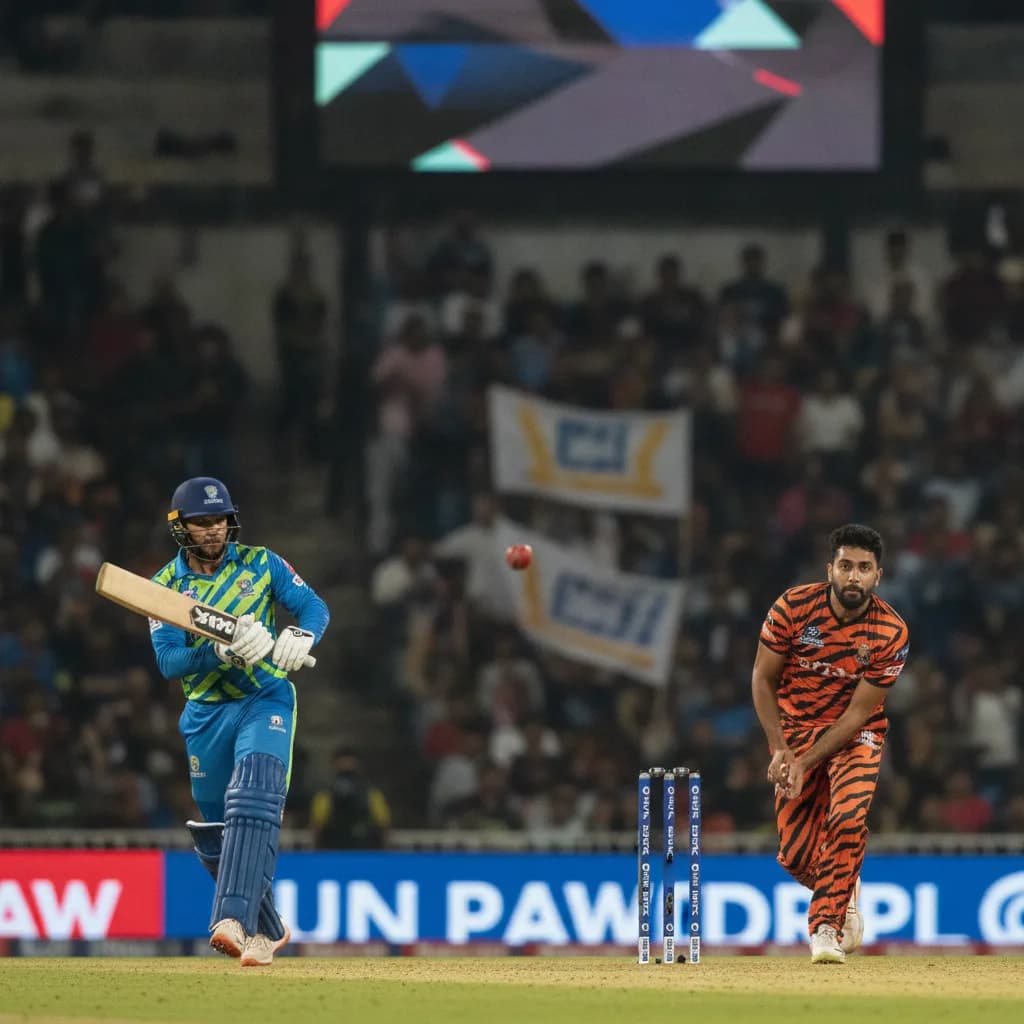
The competition has changed in visible ways this summer. Several teams have undergone full rebrands — new names, new kits, new logos — as fresh investors attempt to put their stamp on the tournament. The Northern Superchargers, for instance, no longer exist in that form. In their place stand the Sunrisers Leeds, a name imported with clear commercial intent. Whether fans in Yorkshire have embraced that shift is another matter entirely.
Singing From a Different Hymn Sheet
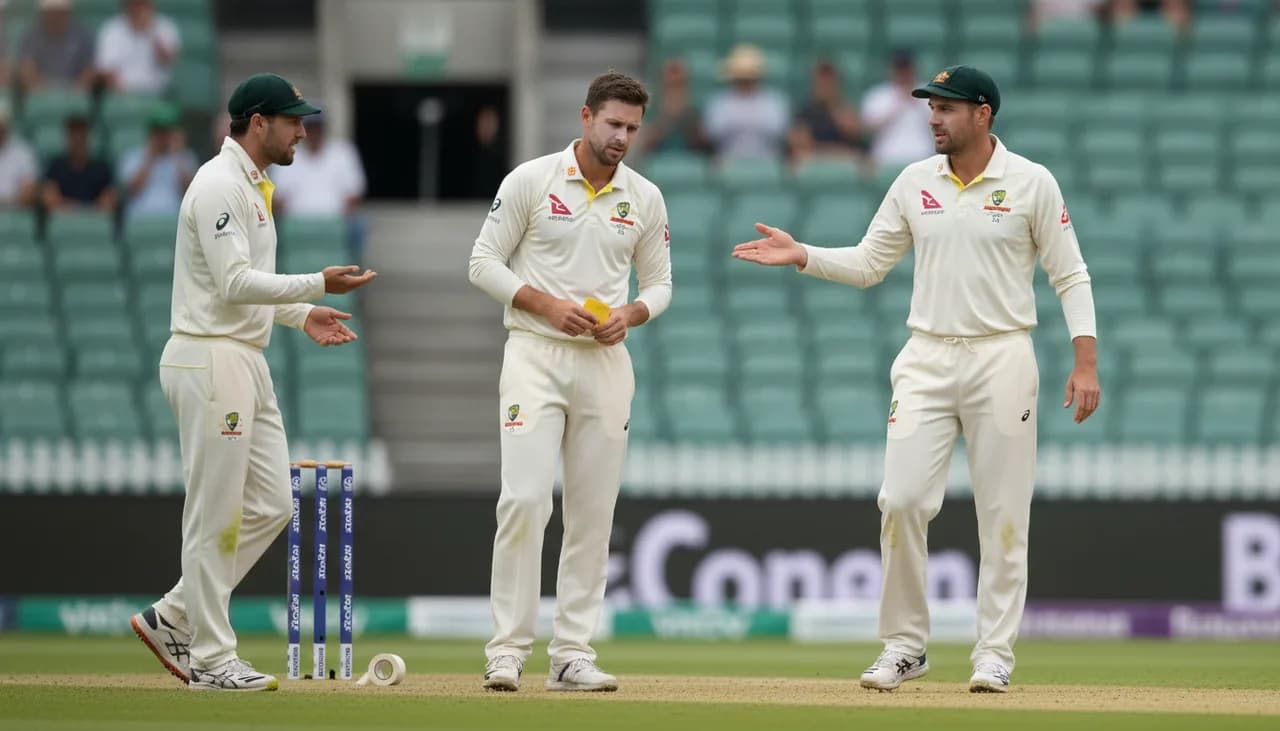
One moment from this season captured the tension between commercial ambition and authentic identity rather perfectly. After a victory, the Sunrisers Leeds squad filmed themselves singing a reworked version of Leeds United's famous terrace anthem, 'Marching On Together.' Lyric sheets were reportedly needed, and several players appeared visibly amused — perhaps unsure whether they were in a cricket celebration or a corporate team-building exercise. The clip was posted on social media and then quietly removed shortly afterwards.
It is a small incident, but it tells you everything about the challenge facing these new ownership groups. Tradition cannot simply be purchased and installed. You cannot manufacture the kind of emotional connection that sporting clubs accumulate over decades. The Sunrisers brand may carry weight in the Indian Premier League context, but in the north of England, it is starting from zero.
Going Big in Manchester
Not every franchise has been timid about their reinvention. The Manchester Super Giants — formerly the Manchester Originals — have taken a deliberately bold approach under their new ownership structure, in which Lancashire Cricket's chief executive Daniel Gidney sits on the board. Gidney has been refreshingly direct about the philosophy driving their decisions.
"If you're trying to launch a new brand in a new market, in the UK particularly, in a city that is dominated by football, you've got to go big and loud," he told BBC Sport. That attitude translated into action when the Super Giants distributed close to 30,000 free shirts to supporters — a significant brand activation that planted their new identity firmly in the public consciousness. From a marketing standpoint, it is hard to argue with the logic, and it would certainly have shortened their odds of building a loyal fanbase quickly had you been betting on franchises to hit the ground running.
The Verdict: Promising, but Patience Required
As a former coach, my honest assessment is this: the new owners have brought genuine energy, investment, and ambition to The Hundred, and that should be welcomed. The competition needs commercial muscle to survive and grow. However, the rebranding exercise has been uneven. Some changes feel purposeful and well-executed; others feel rushed, as though identity has been sacrificed for the sake of novelty.
Building a successful sports franchise takes time. The teams that will thrive under private ownership are those willing to listen to their supporters, root themselves in local culture, and resist the temptation to import ready-made identities wholesale. The Hundred has enormous potential — but its new owners must earn their place in the stands, not just buy it.