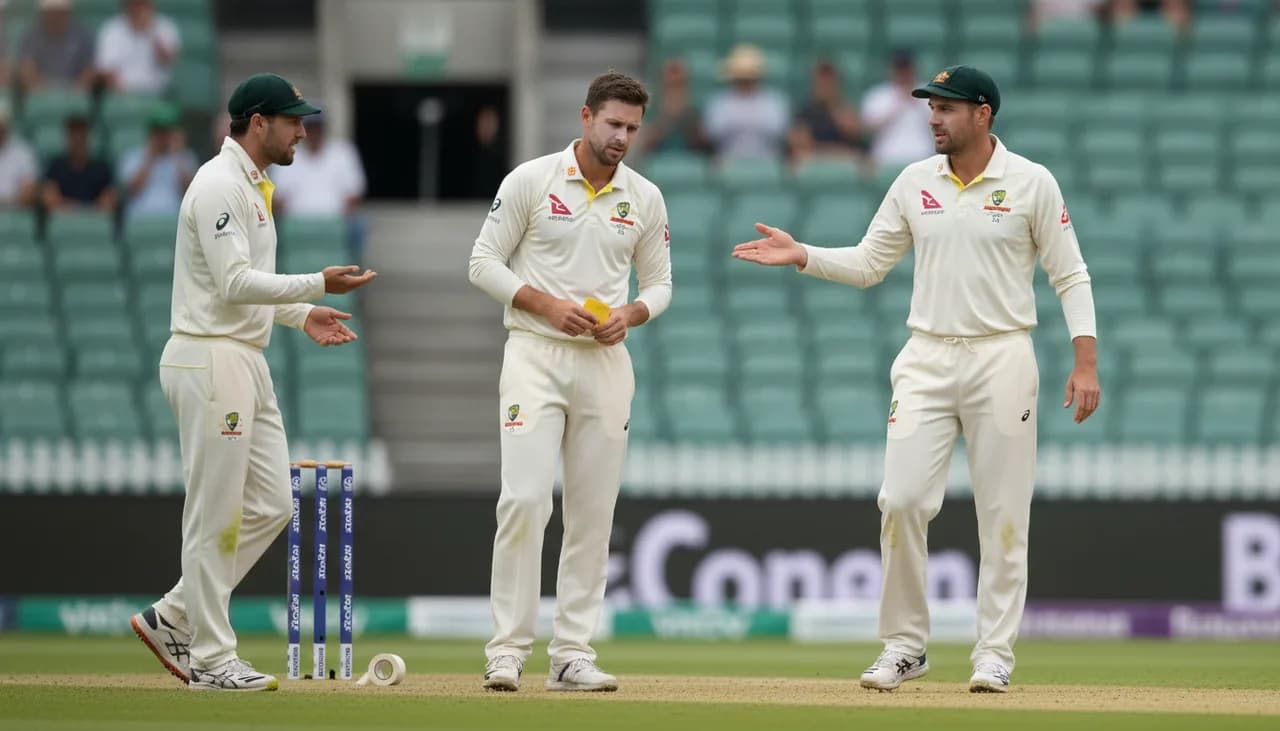
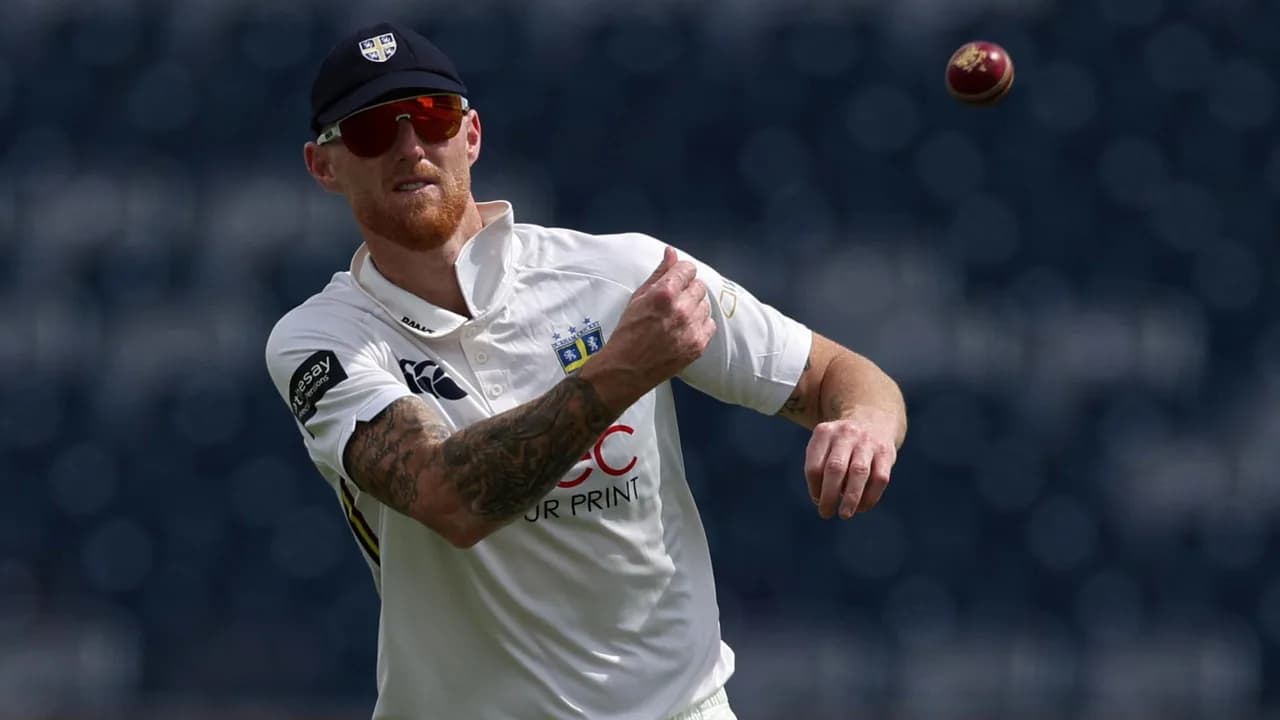
LONDON — The highly anticipated Women's Cricket World Cup clash between arch-rivals India and Pakistan on Sunday will be played under a cloud of geopolitical tension, with a top cricket official stating there is "no assurance" that the traditional post-match handshake between the two teams will take place.
Jay Shah, the secretary of the Board of Control for Cricket in India (BCCI), made the comments ahead of the marquee group-stage match in Cape Town, South Africa. The statement underscores the fragile state of cricketing relations between the two nations, whose bilateral ties have been frozen for over a decade.
A Tradition Under Scrutiny
The post-match handshake is a long-standing tradition in cricket, symbolizing sportsmanship and mutual respect. However, in recent encounters between India and Pakistan, this gesture has become a point of contention and uncertainty. Shah's remarks confirm that the political discord between the two nuclear-armed neighbors continues to cast a long shadow over the sporting arena. "There is no such instruction from the BCCI," Shah was quoted as saying regarding a mandated handshake.
This is not the first instance where the customary handshake has been omitted. During the 2022 T20 World Cup in Australia, the Indian women's team, led by Harmanpreet Kaur, did not shake hands with their Pakistani counterparts after a thrilling last-ball victory. Instead, the Indian players offered a polite wave from a distance.
The incident drew criticism from some quarters of the cricketing world, while others understood the sensitivity of the situation. A source within the Indian camp at the time suggested the decision was a "collective one, considering the prevailing environment."
The Broader Political Context
The uncertainty surrounding the handshake is a microcosm of the deeply strained India-Pakistan relationship. Bilateral cricket series have been suspended since 2012-13, and the two teams now only face each other in multi-nation tournaments like the World Cup and the Asia Cup. The political friction is rooted in several key issues:
- Kashmir: The longstanding territorial dispute over the Kashmir region.
- Cross-Border Tensions: Periodic military skirmishes along the Line of Control.
- Terrorism: Indian accusations of state-sponsored terrorism emanating from Pakistan.
This political impasse has forced the International Cricket Council (ICC) and tournament organizers to treat India-Pakistan matches as high-security events, with immense diplomatic and logistical preparations. The players, often caught in the middle, are under tremendous pressure from fans and governing bodies alike.
Player Perspectives and Past Precedents
While the BCCI secretary has set the tone from an administrative standpoint, the ultimate decision may rest with the team leadership on the ground. Indian captain Harmanpreet Kaur and Pakistan captain Bismah Maroof have not publicly commented on the handshake protocol for Sunday's match. However, past statements from players indicate a desire to keep the focus on cricket.
Pakistani batting star Nida Dar, who plays alongside several Indian players in franchise leagues, has previously expressed a wish for normalcy. "We are professional cricketers. On the field, we are rivals; off the field, we are colleagues," she stated last year.
The men's teams have also navigated this delicate issue. After the 2021 T20 World Cup match in Dubai, the Pakistani team, led by Babar Azam, did initiate a handshake with the Indian team, which was reciprocated. This act was widely praised as a positive gesture, demonstrating that sportsmanship can, at times, transcend political difficulties.
The Role of the ICC and Governing Bodies
The ICC's code of conduct for players and player support personnel emphasizes the importance of "spirit of cricket." Clause 2.1.1 states that players must "conduct themselves in a manner that does not bring the game into disrepute." While the code does not explicitly mandate post-match handshakes, the omission of such a standard practice could be interpreted by some as contrary to the spirit of the game.
An ICC spokesperson, when asked for comment, typically reiterates the organization's stance on promoting cricket as a unifying force but defers to the teams on such specific ceremonial matters. "The ICC encourages sportsmanship and respect at all times," is the standard, carefully worded response.
Fan Reactions and Media Frenzy
The "handshake debate" has ignited passionate discussions on social media and in the press. In India and Pakistan, cricket is not just a sport but a matter of national pride, and every action is dissected with intense scrutiny. Reactions are predictably polarized:
- Purists: Argue that the handshake is a non-negotiable part of the game's ethos and must be upheld.
- Nationalists: Contend that sporting gestures are secondary to national sentiment and political realities.
- Neutrals: Hope for a simple, respectful gesture that allows the cricket to remain the primary focus.
The media in both countries has amplified the story, with headlines focusing on Shah's "no assurance" comment. This media frenzy inevitably adds to the pressure on the players, for whom the match itself is already a high-stakes encounter with crucial World Cup points on the line.
Looking Ahead to the Cape Town Clash
As the teams prepare for their encounter at Newlands, the question of the handshake remains unresolved. The Indian team management may issue a final directive to the players, or the captains may make a spontaneous decision based on the match's outcome and the in-game atmosphere.
What is clear is that the world will be watching not just the quality of cricket but also the interactions between the players. A handshake would be celebrated as a small but significant step towards civility; its absence would reinforce the deep divisions that exist.
Ultimately, the players are the central figures in this drama. They carry the hopes of millions, navigate complex political landscapes, and are expected to be ambassadors of their sport. As one former international cricketer, who wished to remain anonymous, put it: "They are cricketers, not diplomats. We should let them play, and whatever happens after, happens."
The Women's World Cup deserves a celebration of skill, competition, and the growing stature of the women's game. Whether a simple handshake will be part of that celebration in Cape Town on Sunday is a question that, for now, remains hauntingly unanswered.