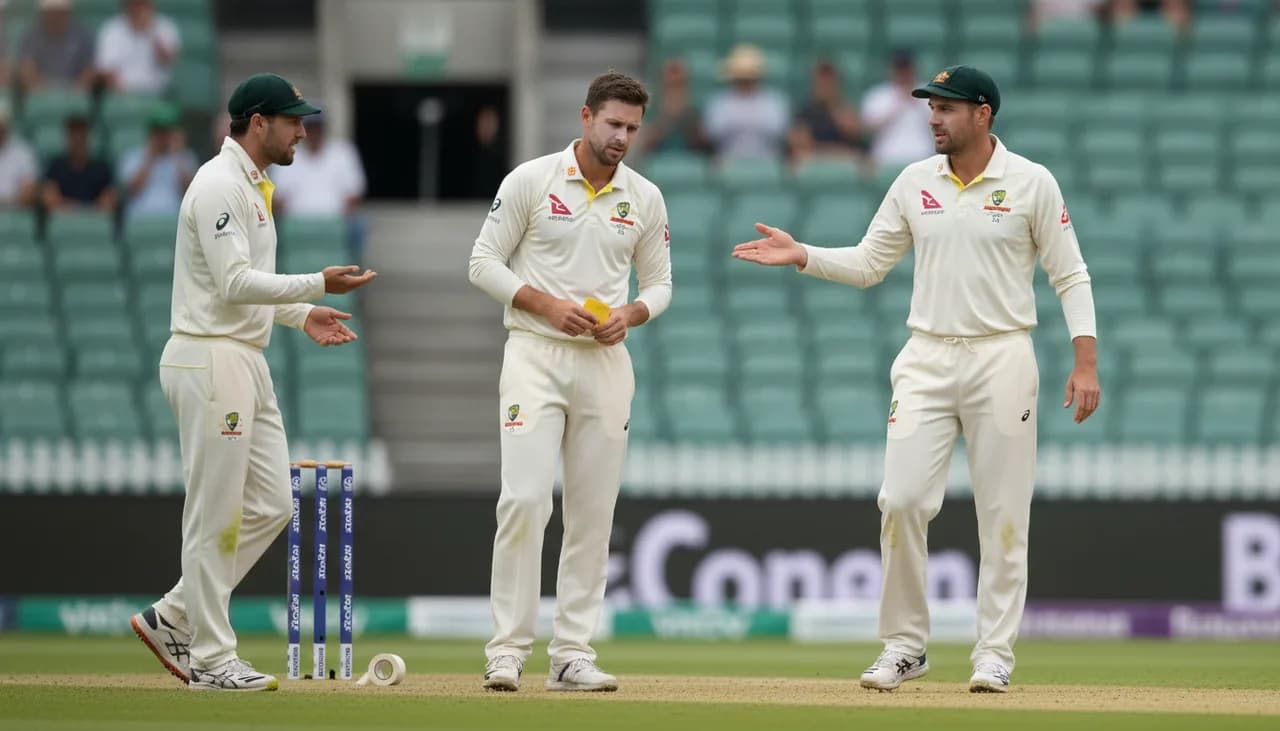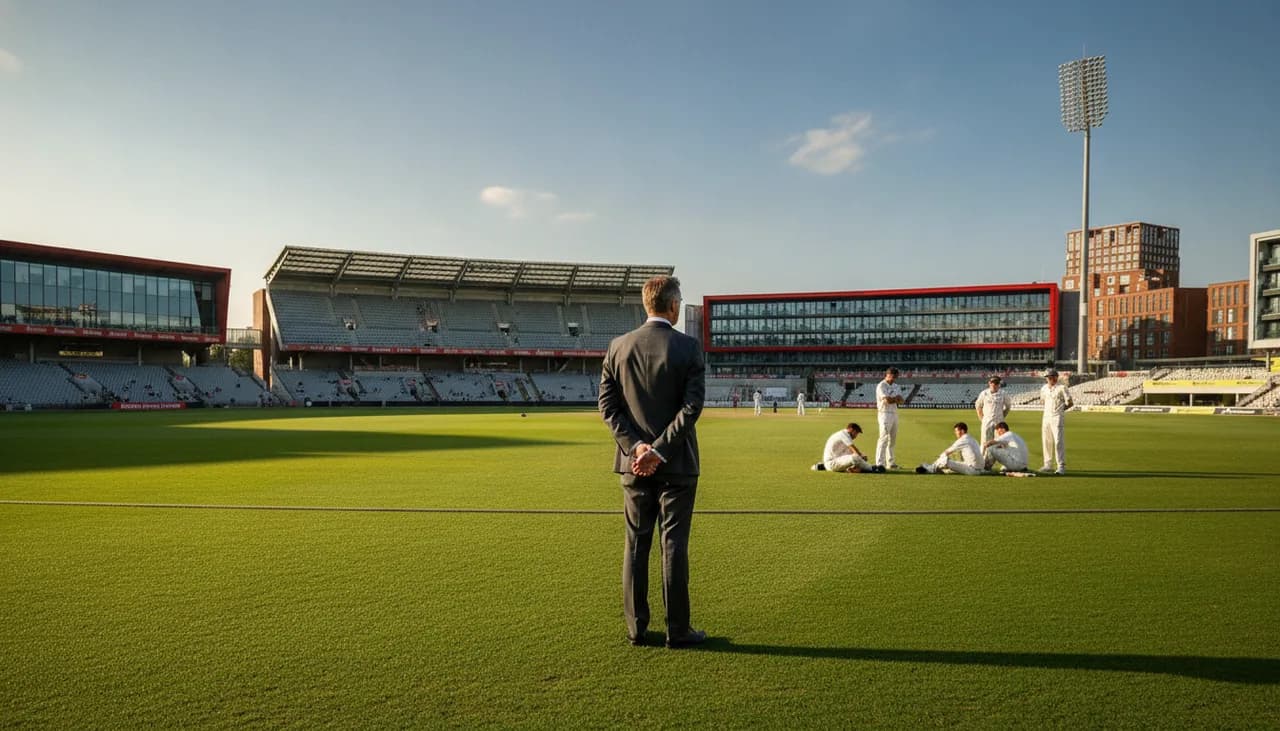
MELBOURNE — In a bold selection gambit that underscores the unique character of the Melbourne Cricket Ground pitch, Australia has confirmed it will enter the Boxing Day Test against Pakistan without a specialist spinner. The decision, announced on Christmas Eve, was made after stand-in captain Steve Smith inspected a surface he described as “quite furry, quite green.”
With regular captain Pat Cummins rested, Smith will lead a four-pronged pace attack featuring Mitchell Starc, Josh Hazlewood, and Scott Boland, with all-rounder Mitchell Marsh providing the seam-bowling support. Off-spinner Nathan Lyon, who is managing a minor hamstring concern, and leg-spinner Todd Murphy have been omitted, with Cameron Green returning to the side as the batting all-rounder. The move signals a clear intent to exploit the perceived grass cover and moisture in the pitch, prioritizing seam and bounce over traditional turn.
A Pitch That Demands Pace
The MCG pitch has undergone a significant transformation in recent years. Following the infamous 2017 Ashes Test that was branded a “poor” rating by the ICC for its lifeless nature, ground staff have worked diligently to reintroduce life and character. The result has been a strip that often offers more for fast bowlers early on, particularly under cloud cover. Smith’s assessment after his inspection was unequivocal. “It’s pretty green,” he stated. “I don’t think there will be a great deal of spin. The nets were actually spinning a bit more than what the centre is.”
This visual cue was the primary driver behind the selection call. With significant grass left on the surface to bind it together and encourage seam movement, the Australian think-tank, including coach Andrew McDonald, concluded a specialist spinner would be a luxury rather than a necessity for the bulk of the match. The historical data supports this pragmatic approach:
- Nathan Lyon’s record at the MCG is his least productive of the major Australian Test venues, with an average of 37.78.
- In the last five Boxing Day Tests, fast bowlers have taken over 80% of the wickets to fall.
The selection also reflects confidence in the part-time spin options of Travis Head and Steve Smith himself, both of whom have proven capable of bowling tidy overs and breaking partnerships on surfaces offering minimal assistance.
Strategic Calculations and Historical Precedent
Omitting a frontline spinner in a home Test is a rare occurrence for Australia, but not without precedent. The most famous instance was the 2010-11 Ashes Test at the WACA Ground in Perth, where a four-man pace attack featuring Ryan Harris, Mitchell Johnson, Ben Hilfenhaus, and Peter Siddle secured a decisive victory. The MCG itself saw a similar strategy in the 1990-91 series against England, when off-spinner Greg Matthews was left out in favour of an all-pace attack.
The current decision, however, is as much about the opposition as the pitch. Pakistan’s batting lineup has historically shown vulnerability against high-quality, disciplined seam bowling, particularly in Australian conditions where the extra bounce can be disconcerting. By stacking the side with pace, Australia aims to maintain relentless pressure and exploit any technical deficiencies. Smith acknowledged the balance of the side, noting, “We feel like we’ve got enough with our four seamers and a bit of part-time spin if necessary.”
The Lyon Factor and Future Planning
Nathan Lyon’s minor injury provided a convenient cover for the selection, but it is understood the decision would have been made regardless. Managing Lyon’s workload ahead of a busy two-Test series against the West Indies and a marquee tour of New Zealand early next year is also a consideration. The move protects Australia’s most important bowler for matches where his influence is expected to be greater, particularly on the traditionally spin-friendly surfaces expected in New Zealand’s Basin Reserve and Hagley Oval.
The recall of Cameron Green adds significant batting depth, lengthening the Australian lineup to allow the top order to play with more freedom. His inclusion at number four pushes Smith up to his preferred position at number three and provides a potent fourth seam bowling option if conditions demand, effectively giving Australia a five-man attack despite only naming four specialist bowlers.
Pakistan’s Response and Pitch Watch
The Pakistani camp, led by captain Shan Masood, has taken note of the surface but is preparing for all contingencies. They have included left-arm spinner Noman Ali in their squad, alongside a battery of fast bowlers. Masood suggested the grass might be a deceptive tactic, stating, “Sometimes they leave grass on to protect the surface, and it gets sheared off before the match.”
This sets up an intriguing subplot for the morning of the match. If significant grass is removed during the final preparation, the pitch could harden into a good batting surface that might take turn later, potentially exposing Australia’s lack of a specialist. However, if the grass remains, Australia’s quartet of Starc, Hazlewood, Boland, and Marsh could prove unplayable under the Melbourne skies.
The decision ultimately represents a high-stakes read of the conditions. It is a gamble on the MCG’s modern identity as a seam-bowling venue and a statement of confidence in Australia’s fast-bowling arsenal to deliver a decisive advantage. As Smith succinctly put it, “We think the seamers will do the bulk of the work.”
Should the pitch behave as anticipated, Australia’s attack will look to replicate the dominance of the Perth Test, aiming to wrap up the series 2-0 after their victory in the first Test at Optus Stadium. If the surface flattens out or breaks up unexpectedly, the absence of Lyon’s control and wicket-taking threat in the fourth innings could loom large. The Boxing Day Test, therefore, begins not just with the first ball, but with Australia’s bold selection call hanging in the balance, waiting to be justified by the very grass upon which the game will be played.