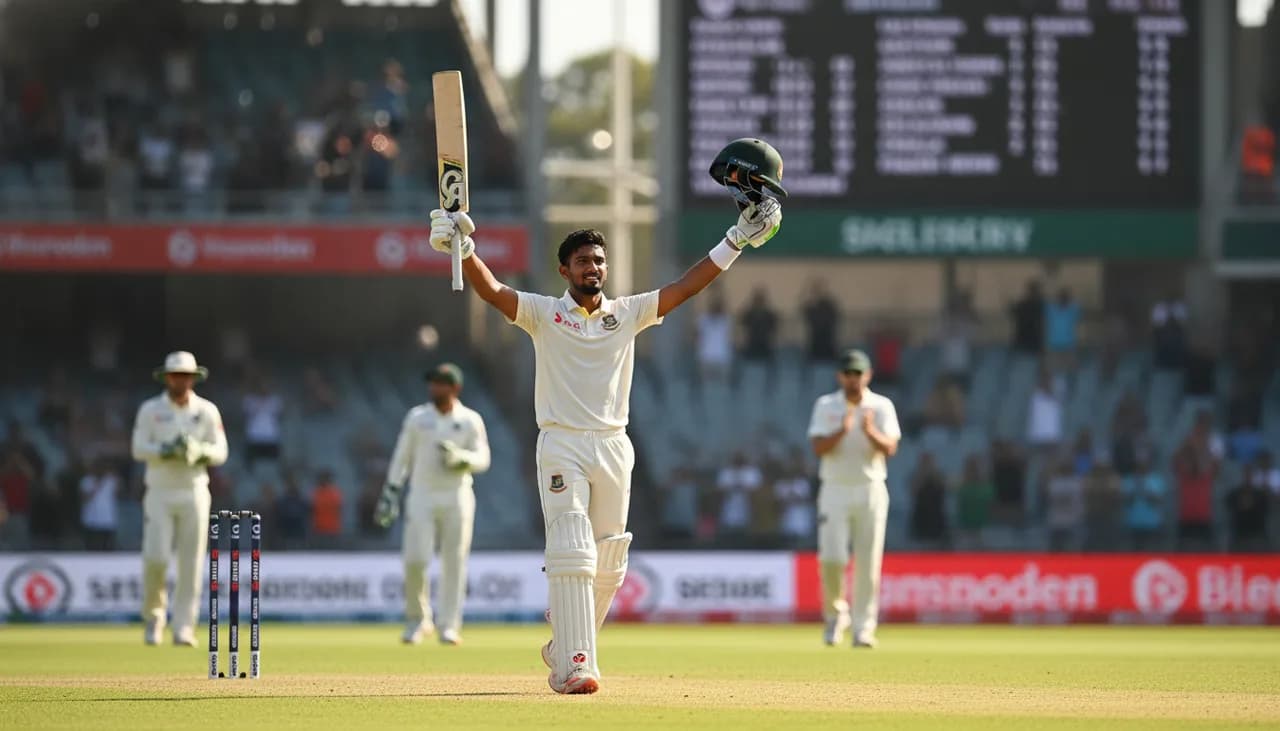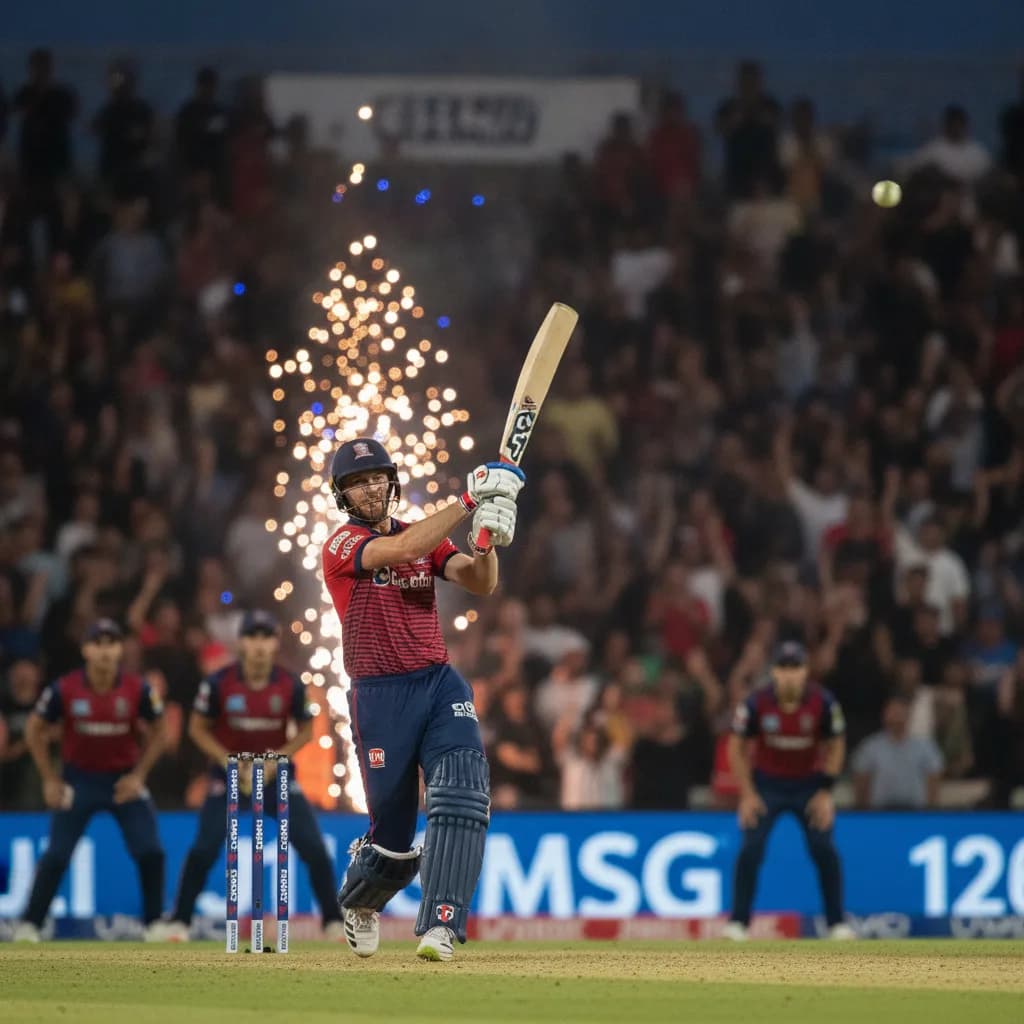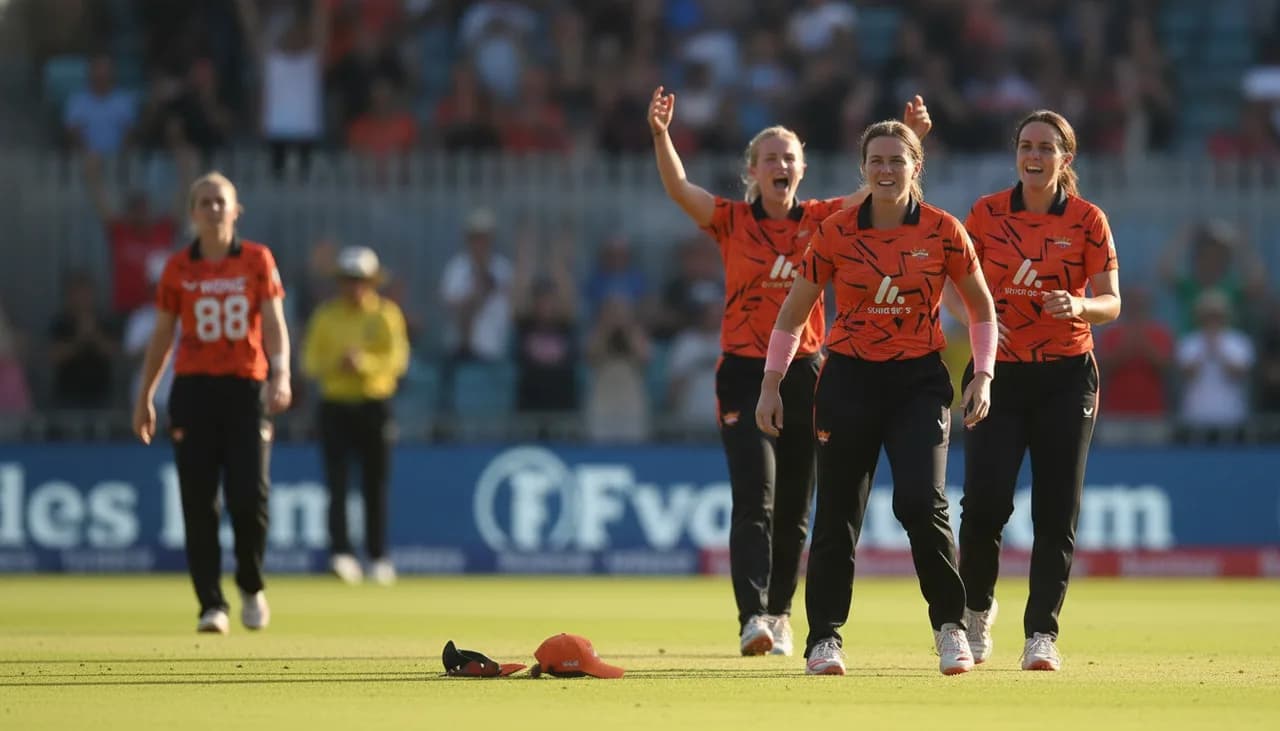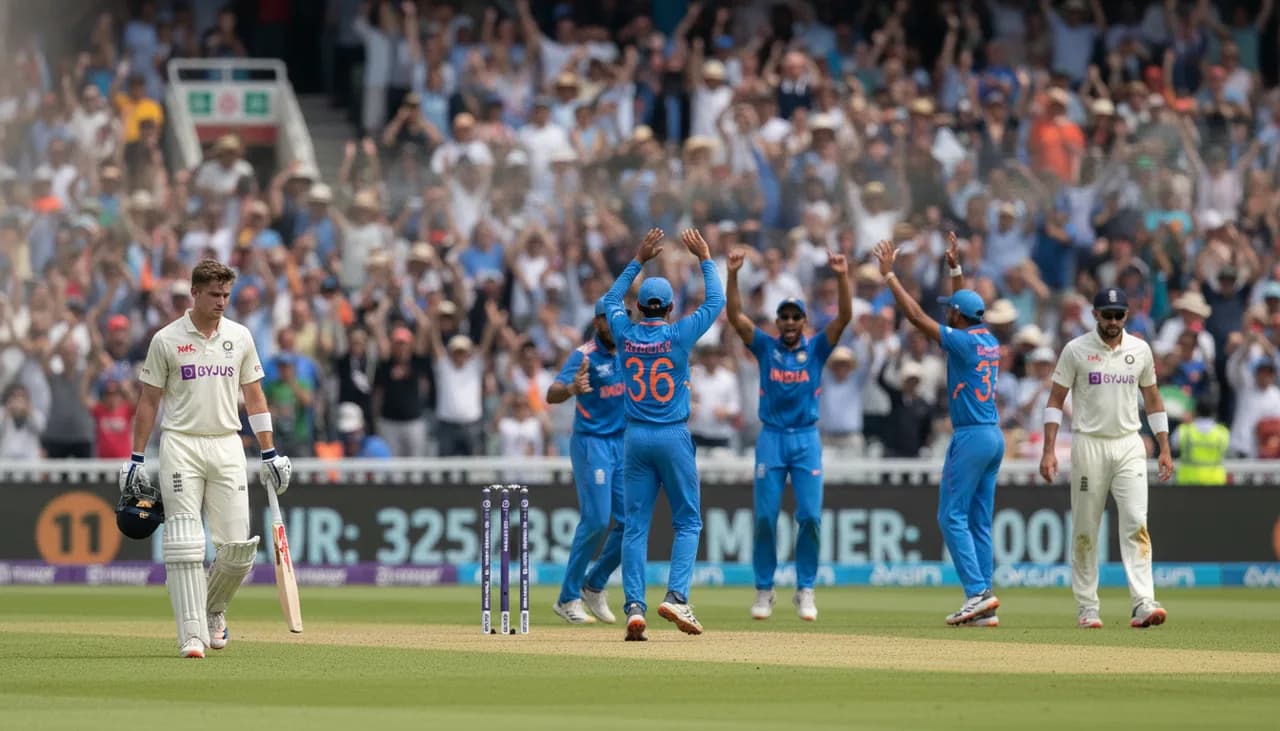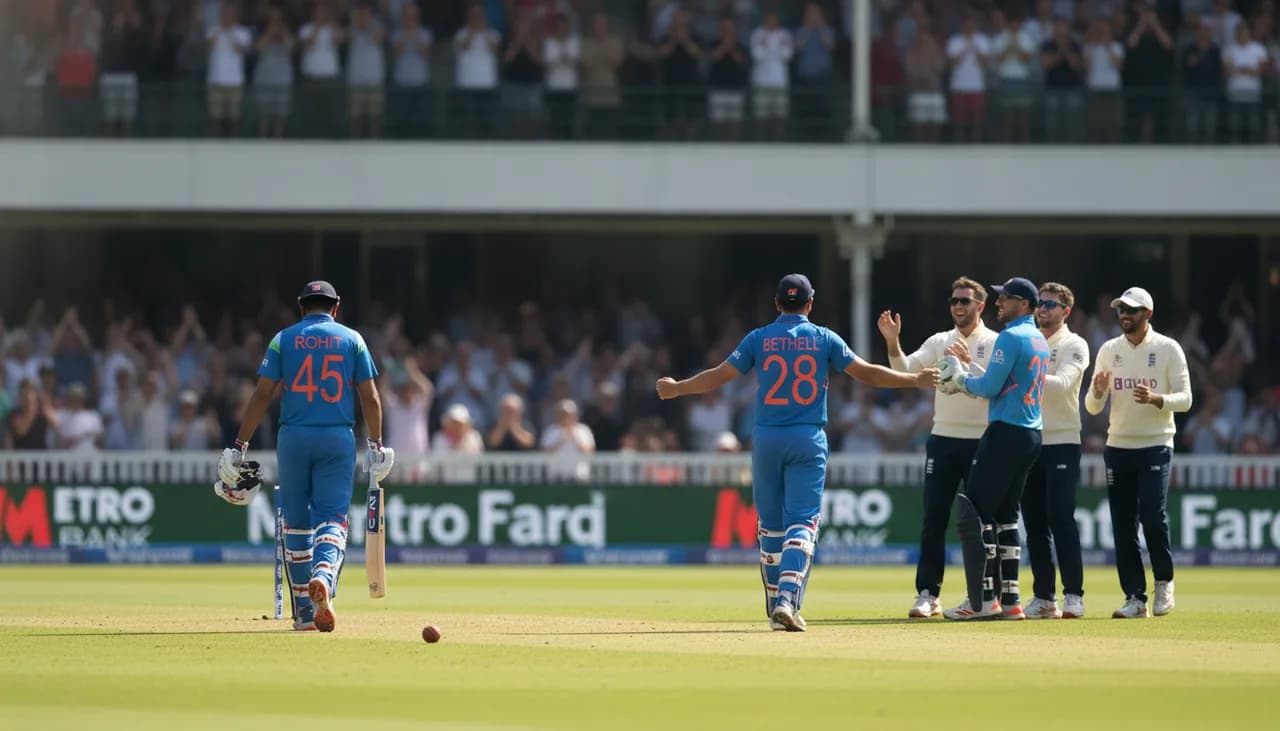
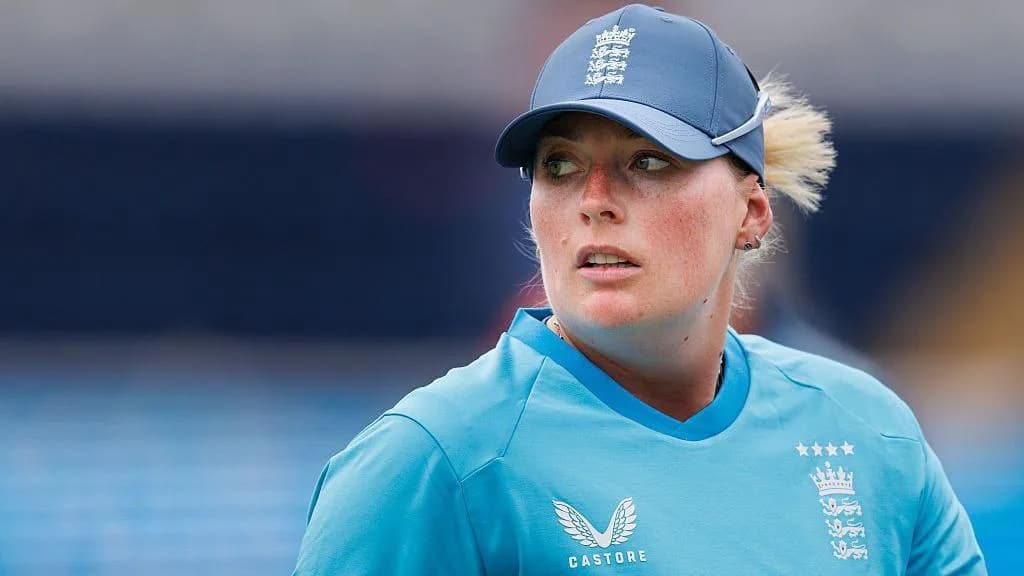
LONDON — With the men's T20 World Cup just weeks away, a cloud of uncertainty hangs over Bangladesh's participation, sparking speculation about potential replacements. However, the International Cricket Council (ICC) has confirmed that no formal discussions have taken place with Cricket Scotland about stepping in, despite the Scottish squad making it clear they are prepared and ready if called upon.
The situation stems from a potential player strike by Bangladesh's cricketers over longstanding disputes with the Bangladesh Cricket Board (BCB) regarding central contracts and revenue sharing. While recent talks have been more positive, the threat of withdrawal has not been entirely extinguished, forcing the global governing body to consider contingency plans for the tournament, which begins on June 1st across the USA and the West Indies.
The ICC's Stance and Contingency Planning
An ICC spokesperson addressed the swirling rumors head-on, stating, "The ICC's priority is ensuring the Twenty20 World Cup goes ahead as scheduled with all 20 participating teams. While we naturally monitor all situations, we have not entered into any talks with Scotland or any other Associate nation about replacing Bangladesh at this time."
This does not mean the ICC is operating without a backup plan. Standard protocol for major global events involves identifying a next-best-ranked team from the most recent qualifying pathway to act as a reserve. Scotland, as the highest-placed non-qualifier from the Europe Region qualifier, is logically first in line. The ICC's statement emphasizes a reactive, rather than proactive, approach, hoping the situation in Bangladesh resolves itself without needing to activate any contingency.
The logistical challenges of a last-minute replacement are monumental. Beyond the obvious sporting implications, it involves:
- Re-issuing visas for an entire squad and support staff to the USA and Caribbean.
- Re-booking flights and accommodation at short notice during peak travel season.
- Re-printing schedules, merchandise, and reworking broadcast and fixture logistics.
Scotland: Prepared, Professional, and Waiting
Despite the absence of formal talks, the message from the Scottish camp is one of quiet readiness. Captain Richie Berrington set the tone, telling journalists, "As a group, we're fully focused on our own preparation and the series we have coming up. But of course, we're aware of the speculation. We're professional cricketers, and if the call came, we'd be ready to go and represent Scotland on the world stage."
This sentiment is echoed throughout the squad, which is rich with T20 experience. Players like George Munsey, Michael Leask, and star spinner Mark Watt have proven themselves on global stages before, notably in the 2021 T20 World Cup where they famously defeated Bangladesh. Head Coach Doug Watson has kept his squad sharp with a busy schedule, including a tri-series against the Netherlands and Ireland, followed by a T20I series against Oman.
A History of Near Misses
The possibility of a late call-up is particularly poignant for Scottish cricket. The team has suffered heartbreak in recent qualification campaigns, missing out on the 2023 50-over World Cup by the narrowest of margins and falling just short in the final stages of T20 World Cup qualifying. To enter the tournament under such extraordinary circumstances would be bittersweet, but the players are adamant they would not be there merely to make up the numbers.
All-rounder Michael Leask encapsulated the squad's resilient attitude: "It's the dream you work for every day. To get there because another team pulls out isn't how you want to do it, but if that chance arrives, you grab it with both hands. We've shown we can beat full members, and we'd back ourselves to cause some upsets."
The Broader Context for Associate Nations
This scenario highlights the precarious position of high-performing Associate nations. Their schedules and funding are often locked into cyclical qualification events, leaving little room for sudden, opportunistic inclusions in global tournaments. Cricket Scotland CEO, Trudy Lindblade, acknowledged the complexity, stating, "Our entire operational and financial cycle is built around the fixtures we have confirmed. A World Cup call-up would require a significant, rapid mobilization of resources, but it's a challenge we would welcome."
The episode also reignites debate about the structure of World Cups. Critics argue that the inclusion of 20 teams, while a positive step, still leaves top Associates like Scotland, the Netherlands, and Oman vulnerable to the unpredictability of short qualifying tournaments, rather than being integrated into a more stable, league-based pathway.
Focus Shifts Back to Bangladesh
As the clock ticks down, all eyes return to Dhaka. Positive negotiations between the BCB and the Bangladesh Cricket Players' Association have reduced the immediate likelihood of a strike. A BCB official recently expressed optimism, saying, "We are in continuous dialogue with our players. They are our pride, and we are confident they will represent the nation with honour in the World Cup."
The Bangladesh squad, led by Najmul Hossain Shanto, is scheduled to depart for the USA in late May. Their preparation includes a pre-tournament series against the co-hosts. The hope within the ICC and across the cricketing world is that this schedule proceeds uninterrupted, allowing the focus to remain on the cricket.
Conclusion: A Waiting Game
For now, the situation remains in a holding pattern. The ICC has its protocol, Scotland has its bags mentally packed, and Bangladesh holds the key. The coming days will be crucial in determining whether the tournament begins with a full complement of 20 teams or requires an unprecedented late substitution. One thing is certain: the Scottish players, with their phones charged and passports valid, will be watching developments as closely as anyone, hoping for a chance they never expected to receive but are unequivocally ready to seize.