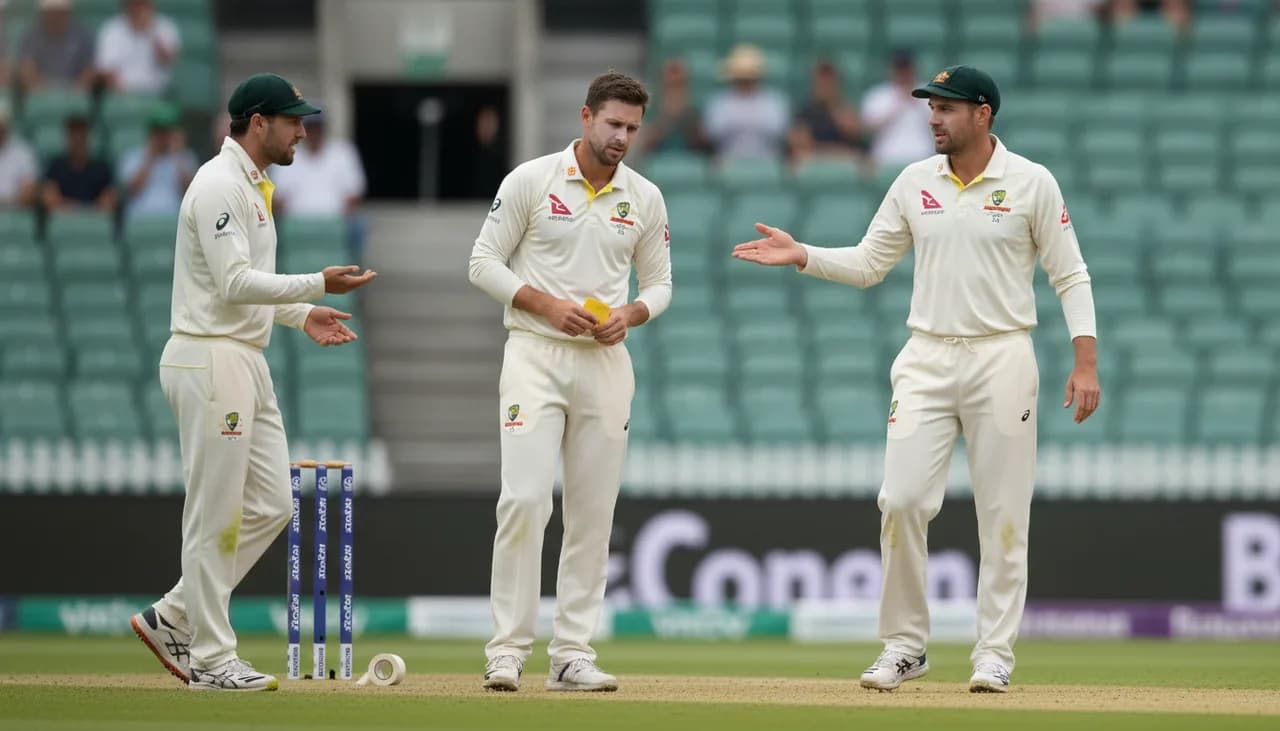
LONDON — England Test captain Ben Stokes has been a talismanic figure for his team, but concerns over his workload—particularly his bowling—continue to mount. BBC cricket correspondent Jonathan Agnew argues that while no one can stop Stokes from overexerting himself, he must recognize the need to self-regulate for the sake of his longevity and England’s success.
Stokes, 32, has been a relentless force for England since his return from a mental health break in 2021. His heroic performances, including the unforgettable 2019 World Cup final and the 2022 Headingley Ashes Test, have cemented his legacy. Yet, his insistence on bowling despite chronic knee issues has raised eyebrows among pundits and fans alike.
The Unstoppable Force
Agnew, in his latest column, writes: "Ben Stokes is the kind of player who will push himself to the absolute limit, and no coach or captain will dare tell him to slow down. But the reality is, only he can decide when enough is enough." Stokes’ determination is both his greatest strength and his biggest risk.
The all-rounder’s knee problems have been well-documented. He underwent surgery in 2021 and has since managed the issue with careful rehabilitation. However, his insistence on bowling full spells in Tests—such as his 12-over stint in the recent Ashes—has sparked debate. Former England captain Michael Vaughan remarked: "Stokes is indispensable, but England need him fit for the long haul. He can’t keep burning the candle at both ends."
The Balancing Act
Stokes’ workload is a delicate balancing act. As captain, he sets the tone for his team, but his role as a frontline bowler adds immense physical strain. Agnew highlights: "England’s success hinges on Stokes’ availability. If he breaks down, the team loses not just a leader but a match-winner."
Key concerns include:
- Chronic knee issues – Stokes has admitted to playing through pain, risking long-term damage.
- Bowling workload – His 15+ overs per Test innings may be unsustainable.
- Leadership burden – Captaining, batting, and bowling is a rare trifecta in modern cricket.
The Medical Perspective
Dr. Rob Young, a sports physician, warns: "Recurrent stress on an already compromised joint can lead to irreversible damage. Stokes needs to prioritize his long-term health over short-term gains." England’s medical staff have reportedly advised Stokes to reduce his bowling load, but the final decision rests with him.
The Bigger Picture
England’s upcoming schedule is grueling, with tours to India and Australia looming. Stokes’ ability to manage his body will be critical. Agnew concludes: "Stokes must realize that self-preservation isn’t selfish—it’s essential for the team’s future."
Former England coach Trevor Bayliss echoes this sentiment: "Great players like Stokes often think they’re invincible. But history shows that even the toughest break down." The likes of Andrew Flintoff and Jacques Kallis, all-rounders who scaled back bowling to extend their careers, serve as cautionary tales.
Conclusion
Ben Stokes’ passion and commitment are unmatched, but his body has limits. As Agnew puts it: "No one can stop Stokes from overdoing it—except himself. For England’s sake, he must learn to pace himself." The coming months will reveal whether the champion all-rounder can strike the right balance between ambition and sustainability.