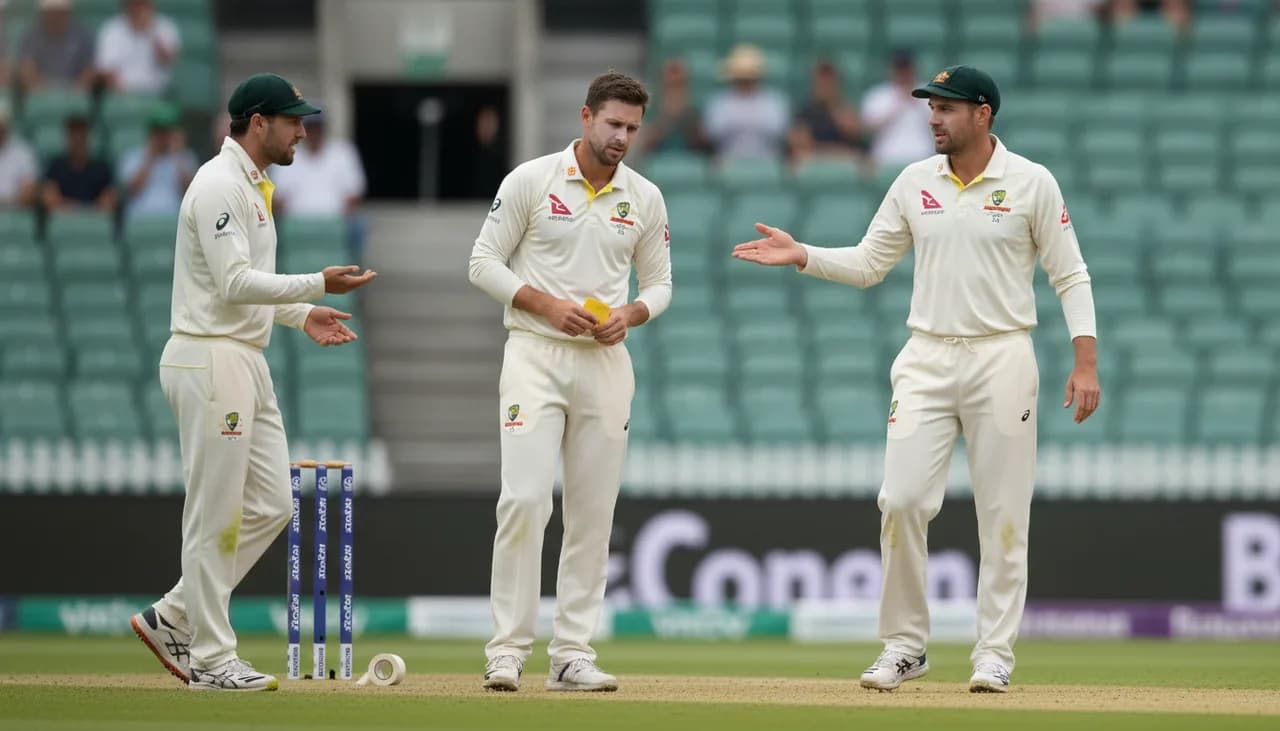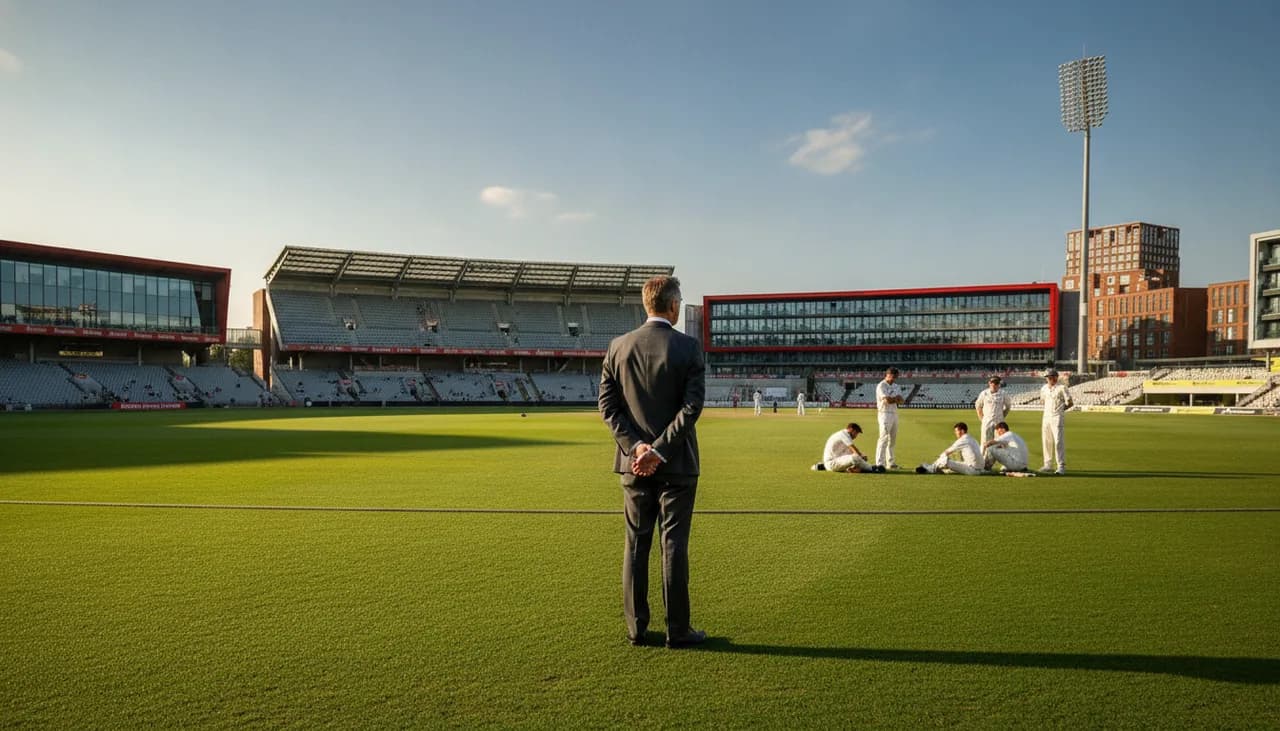

NOOSA, Australia — The sun-drenched idyll of Noosa, with its golden beaches, tranquil river, and lush national park, has served as the perfect sanctuary for England’s cricketers. For the past week, the squad has traded the white-hot pressure of the Ashes for the warm Queensland sun, enjoying a vital mid-series break. That respite, however, is now over. England leave their coastal haven today, bound for Adelaide and the resumption of a battle that hangs in the balance at 1-1.
The decision to base the break in Noosa, rather than a major city, was a deliberate one by coach Brendon McCullum and captain Ben Stokes. The aim was to foster team bonding and provide a genuine mental reset after the physically and emotionally draining first two Tests in Brisbane and Perth. The squad’s activities have been a world away from the scrutiny of the cricket field.
A Week of Rest and Recreation
Sources close to the camp describe a relaxed schedule focused on recovery and camaraderie. Players have been spotted enjoying everything from surfing lessons on Main Beach to paddleboarding on the Noosa River. The emphasis has been on switching off, with family time encouraged and the intense tactical discussions of the ‘Bazball’ era temporarily put on hold. As one insider noted, “It’s been about fresh air, good food, and laughing together. The cricket will come back soon enough.”
Key to the break has been managing the fitness of several players. Star all-rounder Ben Stokes, whose knee remains a constant management project, has undergone specific rehab sessions. Pace bowlers Mark Wood and Ollie Robinson, crucial to England’s attack, have been carefully monitored after their exertions in Perth. The break has allowed for:
- Controlled gym work for strength maintenance without heavy bowling loads.
- Extensive physiotherapy and massage for niggles and general wear-and-tear.
- Active recovery through swimming and low-impact activities in the ideal climate.
The environment has been a stark contrast to the cauldron of the Gabba or the WACA, and management believes the mental freshness gained will be as valuable as any physical recovery.
The Adelaide Challenge Awaits
The squad travels to South Australia today, with a full training session scheduled at Adelaide Oval on Sunday. The focus will immediately sharpen on the pivotal third Test, a day-night match under lights with the famous pink ball. England have a mixed record in day-night Tests, and Adelaide has often been a happy hunting ground for Australia’s seamers, particularly Pat Cummins and Mitchell Starc, with the extra swing and seam movement available.
England’s main selection dilemma revolves around their bowling attack. The flat track in Perth exposed some limitations, and the question of whether to recall the express pace of Mark Wood or the relentless accuracy of Ollie Robinson – or both – will dominate discussions. The batting order, which has shown flashes of the aggressive ‘Bazball’ intent but also periods of fragility, will also be under the microscope. Opener Zak Crawley’s place is under particular scrutiny after a lean series thus far.
The Pink Ball Factor
The day-night element adds a fascinating layer. England’s batters will need to navigate the notoriously tricky ‘twilight’ period, where the pink ball can behave unpredictably. Conversely, it offers England’s swing bowlers, like James Anderson and Stuart Broad, a potent weapon if they can master the conditions. Captain Ben Stokes has previously spoken about the need for smart cricket in these fixtures, stating, “It’s about adapting quicker than the opposition. The ball does different things at different times, and you have to be switched on every session.”
Mind Games and Momentum
While England have been in repose, the Australian camp has been notably active in the media. Several former players and pundits have questioned England’s relaxed approach, framing it as a lack of intensity. This has been dismissed by the England management as predictable noise. The reality is that the 1-1 scoreline has reset the series and heaped pressure on both sides. Australia, expected to dominate at home, now face a rejuvenated England squad with all the momentum after their thrilling victory in Perth.
The psychological benefit of the Noosa break cannot be understated. By removing the players from a cricket-saturated environment, McCullum and Stokes have aimed to return them to Adelaide hungry, not weary. The challenge is to now channel that renewed energy into precise, disciplined execution from the first ball on Thursday. As one senior player remarked privately, “We’ve recharged the batteries. Now it’s time to plug back into the mains and give it everything.”
The Road to the Ashes
With three Tests remaining – in Adelaide, Melbourne, and Sydney – the series is beautifully poised. History favours Australia, who have not lost an Ashes series at home since 2010/11. However, this England team, under this leadership, has repeatedly defied convention. The Noosa interlude was a strategic pause in their aggressive campaign. The message as they depart is clear: the holiday is over, but the confidence and unity fostered on the Sunshine Coast must now translate into performance under the floodlights of Adelaide Oval.
The coming days of training will reveal more about England’s plans and potential lineup. But as the squad swaps sunscreen for cricket cream and the sound of waves for the roar of a crowd, one thing is certain: the Ashes are well and truly alive, and the battle for the urn enters a critical, potentially decisive phase. The serenity of Noosa is about to be replaced by the storm of Ashes cricket.