A Collapse That Left Commentators Speechless
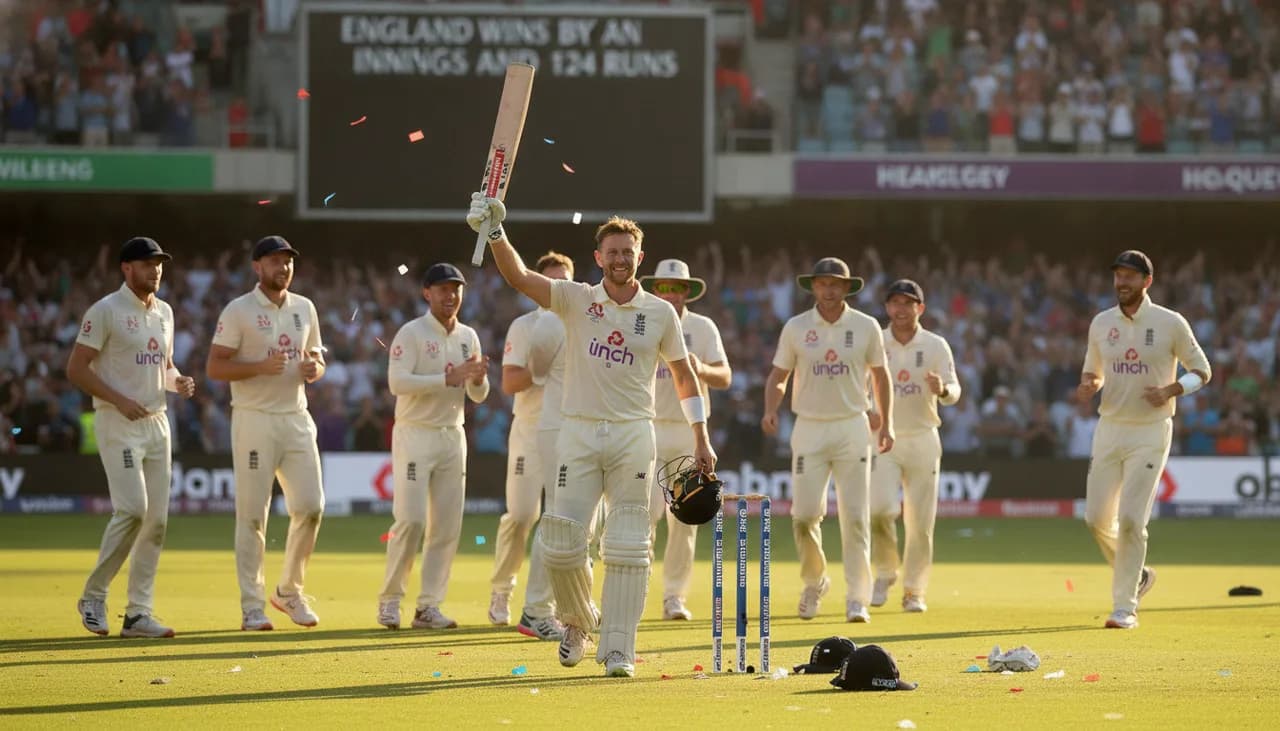
There are heavy defeats, and then there are the kinds of performances that leave experienced observers genuinely worried about a nation's cricketing future. Pakistan's capitulation in the first Test against England at Headingley very much fell into the latter category. Bowled out for a combined total spanning just 85.4 overs across both innings, Pakistan were beaten by an innings and 103 runs — a scoreline that flattered no one and spared nothing.
For those of us who have spent careers analysing the game, it was a sobering watch. This was not a case of England playing out of their skins, though they were very solid. This was Pakistan looking fundamentally ill-equipped at Test level, and that is a frightening distinction to have to draw.
Vaughan Sums Up the Mood Perfectly
Speaking on BBC Test Match Special, former England captain Michael Vaughan did not mince his words. He described Pakistan as having been "absolutely blown away" and said he had never seen them appear so timid. He went further, admitting he "really fears" for the side and felt genuinely saddened watching events unfold at Headingley. Vaughan pointed to the gulf in tactical awareness as much as individual quality, noting that the class and skill differential between the two sides was stark.
Former Pakistan captain Ramiz Raja echoed those sentiments, telling TMS he "fears the worst" for a team that was once among the most respected in the world. When two figures of that stature are expressing genuine alarm rather than mere disappointment, it tells you something significant about the depth of the problem.
From the Summit to the Basement
Context, as ever, makes the picture bleaker still. A decade ago, Pakistan sat at the very top of the ICC Test rankings. The legendary sides of the late 1980s and 1990s — built around generational talents like Imran Khan, Wasim Akram, and Waqar Younis — won three consecutive Test series on English soil. That legacy now feels a very long way from where this current group finds itself.
Pakistan are now rooted to the bottom of the World Test Championship table. They have lost five of their last six Tests and have accumulated 14 defeats from 19 matches stretching back to December 2023. Those numbers represent a structural decline, not a rough patch. For anyone considering backing Pakistan in the series outright, those statistics make for deeply uncomfortable reading — and this result has understandably lengthened their odds further for what remains of the summer series.
Off-Field Chaos Mirroring On-Field Struggles
Perhaps the most telling moment of the entire Test came not on the pitch but in the post-match press conference. Stand-in captain Salman Agha laughed when asked about his leadership role, openly declaring he would be more than happy to hand the armband back to Babar Azam for the second Test at Lord's. It was a moment of levity that also spoke volumes about the instability that has long plagued Pakistan cricket off the field.
The second Test begins at Lord's on Thursday, and Pakistan will need a dramatic response — both tactically and in terms of personnel — to avoid this series becoming a rout. Vaughan voiced hope that the criticism directed at this side will serve as a catalyst for something better. As a former coach, I understand that mindset, but I also know that rebuilding genuine Test-match quality takes far longer than a few days between matches. Pakistan's problems are deep-rooted, and the cricket world can only hope their administrators are paying attention.