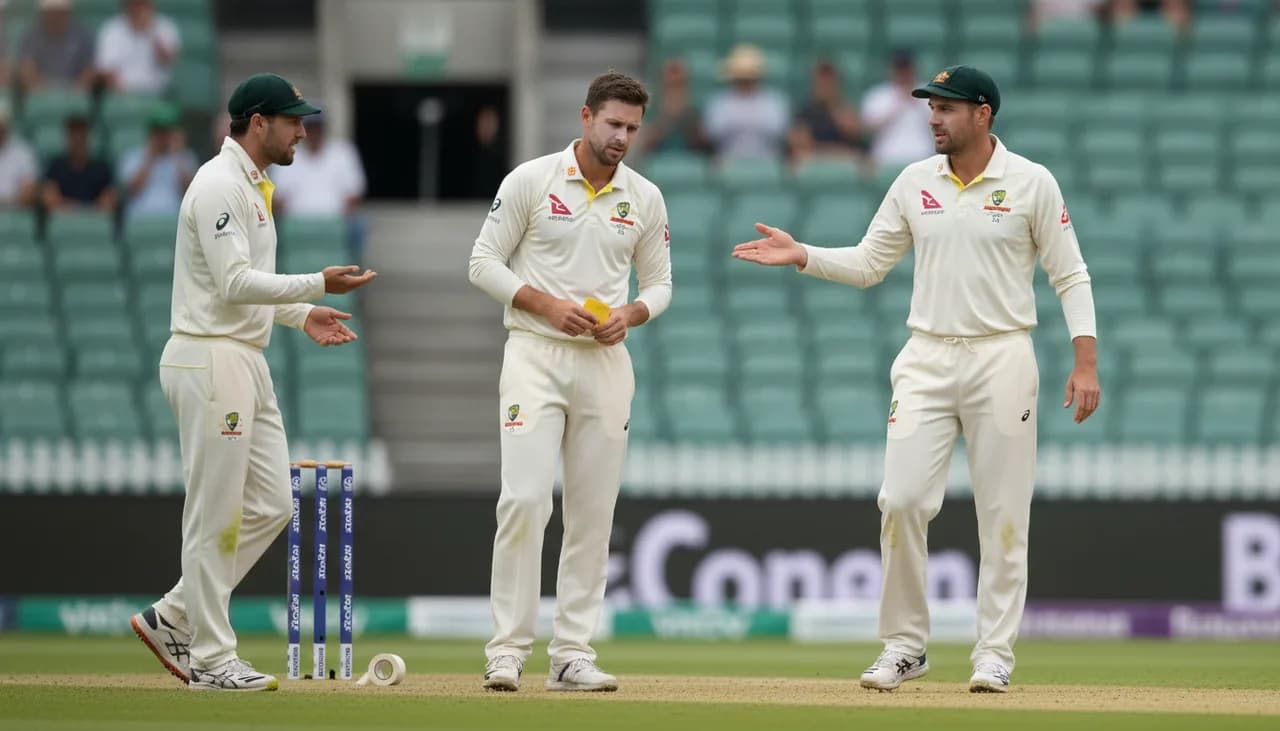
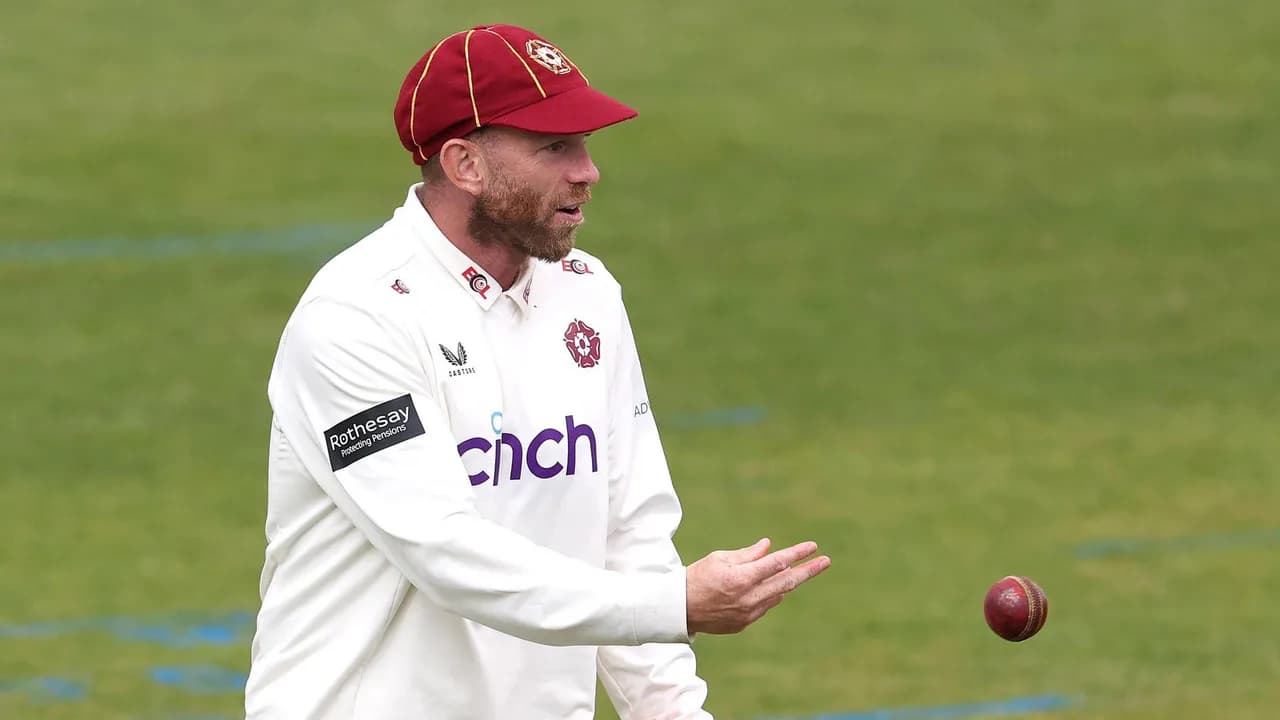
LAHORE — The Pakistan Cricket Board (PCB) has set a firm deadline of early next week to decide whether the national men's team will boycott next month's ICC Men's T20 World Cup 2024, escalating a high-stakes standoff with the International Cricket Council (ICC) over the hosting rights for the 2025 Champions Trophy.
The dramatic ultimatum was delivered by PCB Chairman Mohsin Naqvi following a meeting of the board's top officials. The core issue is the ICC's continued reluctance to grant Pakistan the hosting rights for the 2025 Champions Trophy, a tournament originally awarded to the country. The ICC has yet to confirm the venue officially, with India's potential refusal to travel being a primary concern, prompting discussions about moving the event to a hybrid model or an alternate location like the UAE.
Chairman Naqvi stated unequivocally, "We have written to the ICC that we want our hosting rights for the Champions Trophy. We are still waiting for a response. The PCB has now decided that we will, if necessary, take a tough stance. A decision regarding the T20 World Cup will be taken in the next few days, by early next week." This marks the most explicit threat yet from Pakistan, linking its participation in one global event to its hosting rights for another.
The Sticking Point: Champions Trophy Hosting Rights
The dispute stems from the ICC's decision in 2021 to award Pakistan the 2025 Champions Trophy, marking the return of a major ICC tournament to the country for the first time since the 1996 World Cup. Security concerns, however, have persisted among some member boards, most notably India, whose bilateral cricket relations with Pakistan remain frozen due to longstanding geopolitical tensions. The BCCI's influence within the ICC is significant, and its government's travel clearance for the Indian team is seen as a major hurdle.
The PCB argues that it has successfully hosted numerous high-profile tours in recent years without incident, including visits by England, Australia, and New Zealand, as well as the entirety of the 2023 Asia Cup (albeit in a hybrid model). Naqvi emphasized this track record, questioning the basis for the ICC's hesitation: "We have proven our capability as a safe and professional host. The continued ambiguity is disrespectful to Pakistani cricket and its fans."
Potential Ramifications of a Boycott
A Pakistani boycott of the T20 World Cup, scheduled to begin on June 1 in the USA and West Indies, would send shockwaves through the cricket world. Pakistan, the 2009 champions and 2022 runners-up, are considered one of the tournament's marquee sides. Their absence would have severe sporting, commercial, and logistical consequences:
- Sporting Impact: Group A, where Pakistan is placed alongside India, USA, Canada, and Ireland, would be thrown into chaos. The ICC would face a monumental challenge in restructuring the group or awarding points, severely compromising the tournament's integrity.
- Commercial Fallout: The marquee India-Pakistan clash, scheduled for June 9 in New York, is the most valuable fixture in world cricket in terms of broadcast and advertising revenue. Its cancellation would represent a nine-figure financial blow to the ICC and broadcasters.
- Legal and Contractual Issues: The PCB could face severe financial penalties and legal action from the ICC for breaching its participation agreement. However, the PCB appears to be calculating that the threat is substantial enough to force the ICC's hand on the Champions Trophy issue.
ICC's Position and Possible Outcomes
The ICC, while acknowledging Pakistan's hosting rights, has maintained a cautious public line, focusing on operational and security assessments. Privately, officials are reportedly scrambling to find a diplomatic solution. The global body is caught between upholding its original decision, managing the political pressures from the BCCI and other boards, and now averting a World Cup crisis.
An ICC spokesperson provided a standard response, stating, "The ICC continues its planning for the ICC Men's Champions Trophy 2025 with all host venues as per the schedule. We do not comment on internal board matters." This non-committal stance has only fueled the PCB's frustration, leading to the current brinkmanship.
Analysts see several potential resolutions before the PCB's early-week deadline:
- The ICC Compromise: The most likely outcome is a last-minute assurance from the ICC, possibly confirming Pakistan as the host but with a "hybrid" model contingency plan for India's matches, similar to the 2023 Asia Cup. This would allow both bodies to claim a face-saving victory.
- PCB Backs Down: Given the enormous financial and reputational cost of a boycott, the PCB may ultimately deem the threat more valuable than the action, accepting private assurances and participating in the World Cup while negotiations continue.
- Full-Blown Boycott: This remains a high-risk, low-probability scenario. It would fracture world cricket, trigger years of litigation, and isolate Pakistan financially. However, it cannot be entirely dismissed given the nationalistic fervor the issue has ignited within Pakistan.
Domestic Pressure and "Red Lines"
Within Pakistan, the PCB is facing immense public and media pressure to take a strong stance. The perception of the ICC consistently sidelining Pakistan, especially in favor of Indian interests, is a potent political issue. Former players and pundits have largely supported the board's tough talk.
Former captain Rashid Latif commented, "This is about principle and respect. We have fulfilled every obligation, hosted every team, yet our reward is to have our hosting rights questioned. Sometimes you must draw a red line, and the Champions Trophy is that line." This sentiment echoes widely, framing the decision as a matter of national pride beyond just sport.
Conclusion: A High-Stakes Game of Chicken
As the clock ticks down to early next week, the cricket world holds its breath. The PCB's deadline sets the stage for a pivotal few days in international cricket governance. The outcome will not only determine Pakistan's presence at the T20 World Cup but will also set a critical precedent regarding the balance of power, politics, and principle within the ICC. Whether this is a masterstroke of negotiation by the PCB or a dangerous gambit that could backfire spectacularly will soon be revealed. The next move rests with the ICC's executive board, which must now weigh the cost of alienating a cornerstone cricketing nation against the complex geopolitical realities of the sport.