
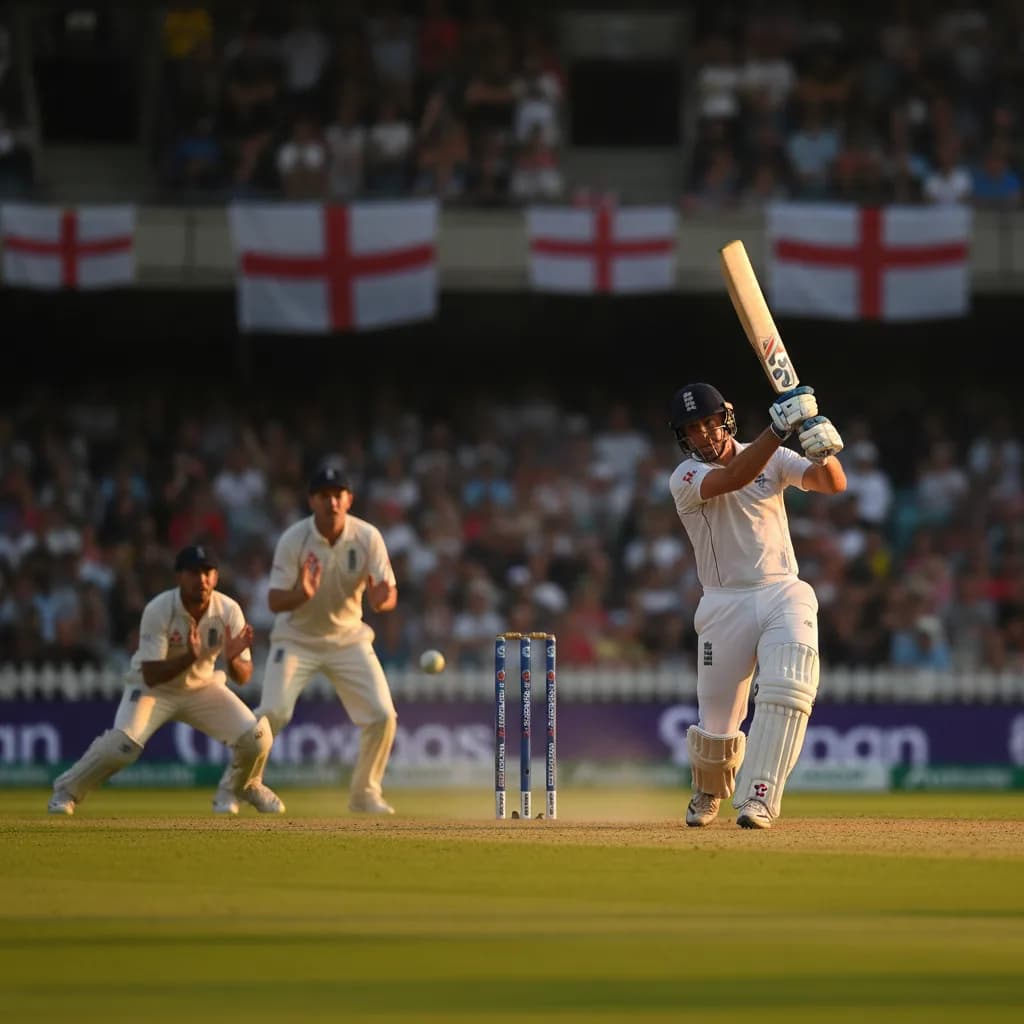
Few announcements in English cricket this year have caught people quite as off guard as Kevin Pietersen stepping into a mentoring role with the national white-ball setup. Given that his last formal dealings with the ECB ended in that now-infamous 2014 meeting at Lord's — where he was informed his England career was over — the idea of him returning in any official capacity felt, until recently, like pure fantasy. Add in the demands of his hugely popular YouTube channel, and most of us assumed any bridge back had long since been burned. Yet here we are, with KP embedded in the England camp ahead of the 50-over World Cup scheduled for South Africa next autumn.
A Voice That Won't Tell You What You Want to Hear
Former England pace bowler Steven Finn, who shared a dressing room with Pietersen in the early part of his international career, has been among the most thoughtful voices welcoming the appointment. Finn's central argument is a simple but important one: dressing rooms that only ever agree with themselves become stale and ultimately weak. Pietersen, whatever else you might say about him, has never been a man to tell you comfortable half-truths. His directness can be abrasive, but in a team environment that needs honest internal challenge, that quality is genuinely valuable. England's white-ball side has talented players; what it may lack is someone willing to hold a mirror up to complacency without worrying about upsetting anyone.
The Training Ground Mentality That Set KP Apart
Finn has spoken candidly about what it was like to face Pietersen in the nets. Rather than treating practice as a loosener, Pietersen approached every session with deliberate intensity — announcing to whoever was bowling at him exactly what he intended to do, then backing himself to do it. That kind of psychological edge in training forced those around him to raise their own standards. Finn freely admits it made him a sharper bowler. At a time when England were reportedly criticised for light preparation schedules on last year's white-ball tour of India — with Pietersen himself, working for the host broadcaster, openly questioning the lack of meaningful practice — that training philosophy feels especially relevant right now.
A Player Who Never Stopped Learning
What often gets lost in the broader narrative around Pietersen is how relentlessly he worked to improve. In Colombo during England's 2012 tour of Sri Lanka, Finn recalls arriving at the SSC ground to find Pietersen had already been in the nets for a full hour, working with local left-arm spinners on a technical weakness that had troubled him periodically. This was a man who had invented the switch hit, hit Glenn McGrath back over his head for six at Lord's during the 2005 Ashes, and played shots that wouldn't look remotely out of place in T20 cricket today — yet he still turned up early, unannounced, to grind away at something that wasn't quite right. That hunger is exactly what a mentoring role demands, and it's exactly what younger England batters could stand to absorb.
Can the Partnership Actually Work?
There will be sceptics, and not without reason. Pietersen's relationship with the ECB has historically been complicated, and strong personalities in a coaching environment don't always translate smoothly into results. From a betting perspective, England's outright odds for the South Africa World Cup will likely remain largely unchanged until we see tangible output from this arrangement in competitive cricket. But if Finn's account of what Pietersen looks like up close — driven, challenging, technically obsessed — is anything to go by, England's management deserve credit for thinking outside the conventional appointment.
Whether KP's methods gel with the current squad culture remains to be seen. What seems clear is that England have chosen disruption over comfort, and at a World Cup cycle's beginning, that may turn out to be exactly the right call.