ADELAIDE — The old frailties returned for Ollie Pope in Adelaide. A wretched dismissal, chasing a wide one with hard hands, has left England's vice-captain with one innings, and one innings only, to save his Test place, writes Matthew Henry.
A Crucial Role, A Mounting Pressure
Elevated to the pivotal number three position by Ben Stokes and Brendon McCullum, Pope was entrusted with being the consistent stabiliser in England's chaotic 'Bazball' engine room. The theory was sound: his array of strokes could both counter-attack against the new ball and capitalise on older ones. Yet, after a promising 81 in a losing cause in Hyderabad, the runs have dried up alarmingly. His series average sits at a paltry 21.50, but it is the manner of his dismissals that is causing the most concern.
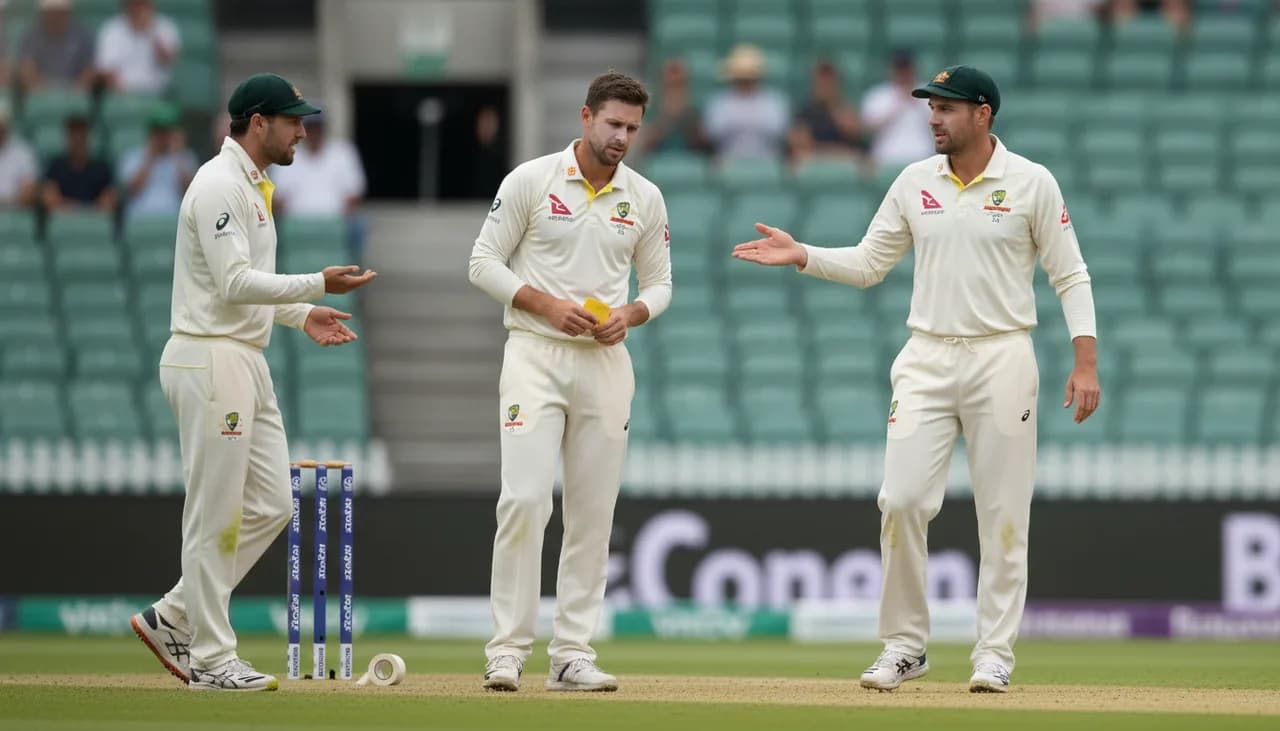
In Adelaide, with England needing a foundation, Pope played a loose drive at a wide delivery from Pat Cummins he could have left alone, edging to second slip. It was a carbon copy of errors that have plagued his 41-Test career. Former England captain Michael Vaughan did not mince his words on commentary, stating, "That is just a nothing shot. At number three, you cannot be playing at those. It’s a technical flaw that keeps resurfacing at the worst possible times."
The Technical Conundrum
Pope's issue is not a lack of talent; few in the English game possess his natural gift for timing and placement. The problem is a technical set-up that, under pressure, betrays him. His initial movement across the crease, combined with a high backlift, can leave him unbalanced and prone to playing away from his body, especially against high-quality seam bowling.
This flaw has been ruthlessly exposed by the Australian attack. Analysts point to a recurring pattern:
- Front-foot indecision: He is caught between committing fully to drives or playing defensively, resulting in half-hearted prods.
- Hands leading the body: His hands often move before his feet are in position, reducing his control over the shot's direction.
- Susceptibility outside off: The corridor of uncertainty remains his kryptonite, as Adelaide proved.
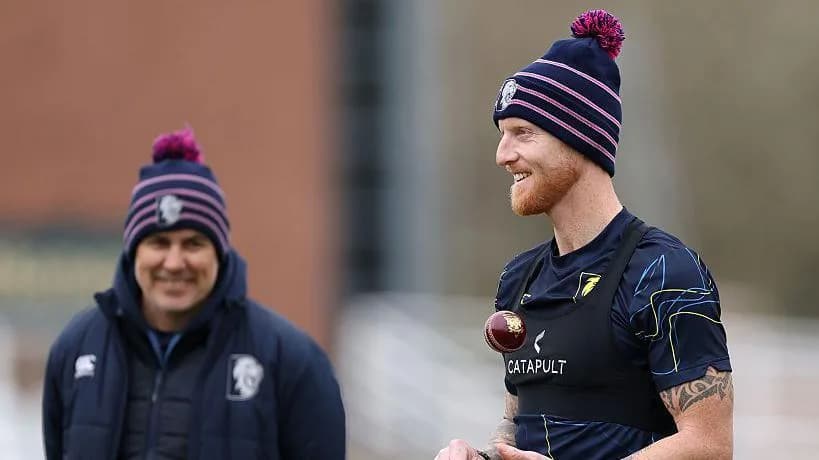
Batting coach Marcus Trescothick has worked extensively with Pope, but the lessons seem to evaporate in the heat of a Test match battle. As former Australian fast bowler Glenn McGrath noted, "Good bowlers have a memory. They know where a batsman's weakness is, and they will keep going back there until he proves he can fix it."
The Alternatives Looming
England's patience, famously long under the current regime, is being tested. The squad contains ready-made alternatives, and the clock is ticking towards a home summer against the West Indies and Sri Lanka. The most compelling option is Surrey team-mate Dan Lawrence, a confident, proactive player whose style fits the 'Bazball' ethos perfectly. He has been waiting in the wings, scoring heavily in the County Championship and impressing in his previous Test outings, albeit often down the order.
Other names are also in the frame. The experienced Dawid Malan, though out of favour, remains a proven international performer. There is also a growing clamour to fast-track the prodigiously talented young Lancashire batter, Josh Bohannon, who has been a model of consistency at number three in county cricket. The selectors face a critical choice: persist with Pope based on perceived potential, or make a pragmatic change for the sake of the team's top-order stability.
The Weight of History and Expectation
Pope's overall Test average lingers in the mid-30s, a figure that belies his obvious skill. For a player of his calibre, and one occupying such a crucial berth, it is simply not enough. The number three slot for England has been a problem position for years, and Pope was seen as the long-term solution. The faith shown in him has been immense, but international sport is ultimately a results business. As cricket pundit and writer George Dobell observed, "Selection is an act of faith. But faith has to be repaid with runs. At some point, potential has to become performance."
The psychological burden on Pope is now immense. He walks to the crease knowing his international career is on the line. Can he play with the freedom that defines England's best cricket under Stokes, or will the spectre of failure tighten his technique further? It is the ultimate test of character for a 26-year-old who has been earmarked for greatness since his debut.
One Last Chance in the Spotlight
All of which sets the stage for a monumental second innings in Adelaide. The match situation may demand quick runs or a gritty rearguard, but for Pope, the personal stakes could not be higher. It is a classic sporting narrative: one knock to define a chapter of a career. The England leadership group will be desperate for him to succeed, to validate their judgement and to settle a problematic position. Another failure, however, may force their hand.
The conclusion is inescapable. As the Adelaide sun beats down on the final day, Ollie Pope faces more than just the Australian bowlers. He faces his own technical demons, the weight of expectation, and the stark reality of professional sport. His next innings is not just about saving a Test match; it is about saving his place in the England team. The time for promises and potential is over. As the old adage goes, "Runs on the board are the only currency that counts." For Pope, the bank is nearly empty, and the final deposit must be made now.