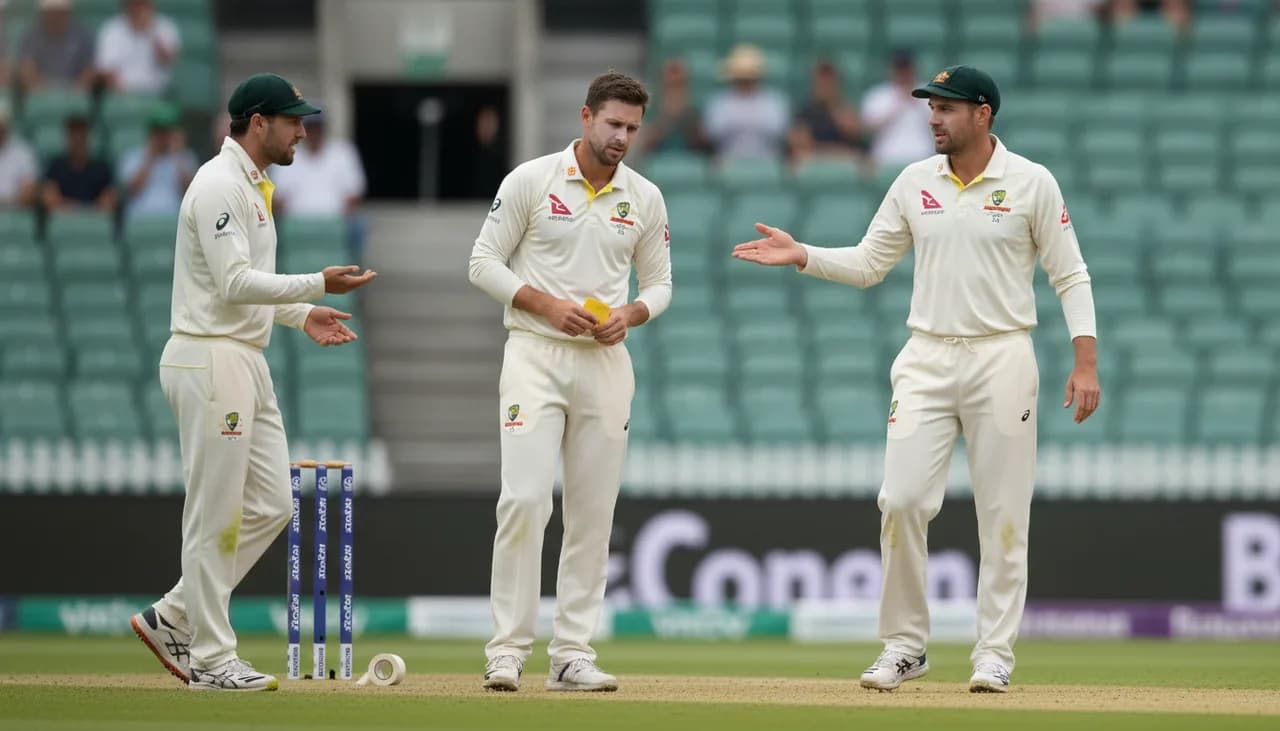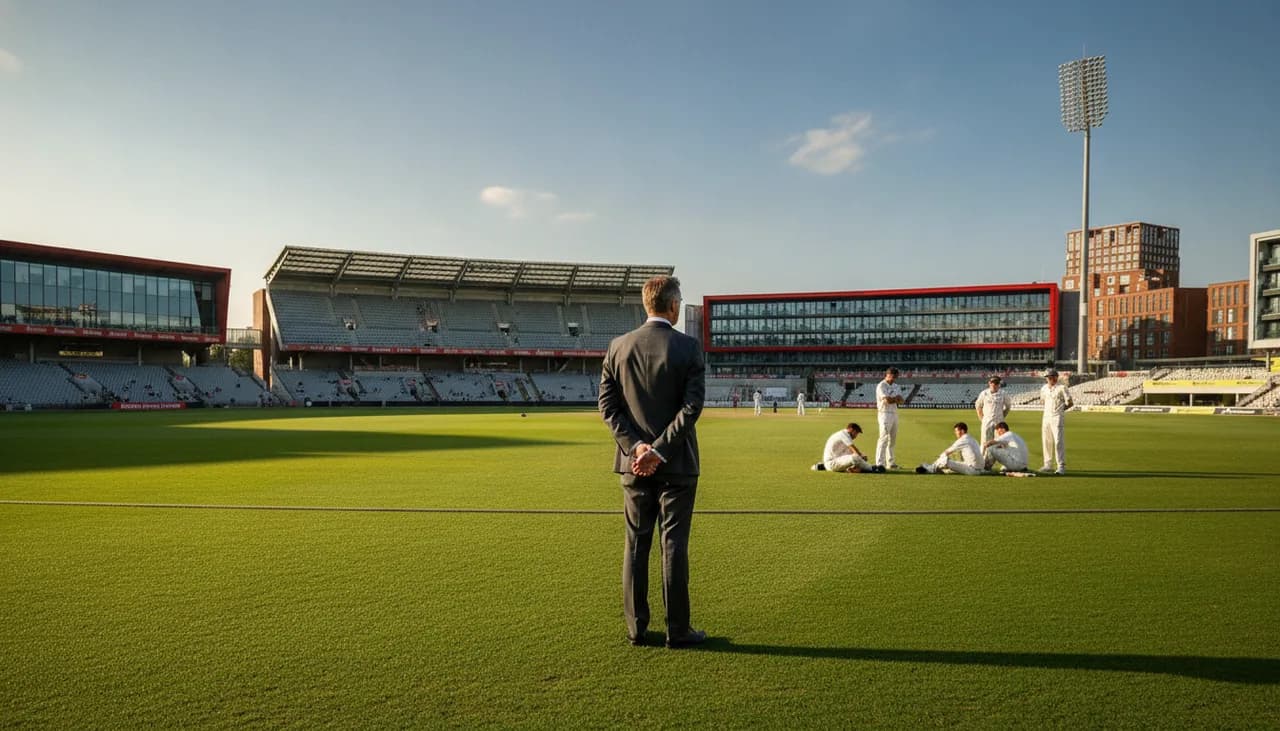

HOVE, UK — Sussex County Cricket Club is facing an unprecedented crisis as a group of its most celebrated former players, led by former England captain Matt Prior and legendary Pakistani spinner Mushtaq Ahmed, have publicly demanded the immediate resignation of the club's entire board. The call comes in the wake of deepening financial turmoil and a perceived failure of leadership that threatens the historic club's future.
A Club in Crisis: Mounting Debts and Fan Discontent
The simmering tensions at the 1st Central County Ground have boiled over following the publication of the club's latest financial accounts. These revealed a staggering loss of £3.4 million for the year ending October 2023, bringing the club's total debt to an alarming £20.4 million. The primary creditor is the estate of the late chairman, Tony Bloom, who loaned the club significant sums during his tenure. With interest accruing, the financial burden is now crippling.
In a scathing joint statement, Prior, Mushtaq, and other former stars including James Kirtley and Luke Wright, did not mince words: "The board has overseen a period of dramatic decline, both on and off the field. The club is now in a perilous state, saddled with debt and lacking clear leadership or a viable plan for a sustainable future."
The former players' intervention highlights several critical failures they attribute to the current board, chaired by Jon Filby:
- Financial Mismanagement: The rapid accumulation of debt without a visible, sustainable strategy for repayment or revenue generation.
- Erosion of Cricket Performance: Consistent underperformance in the County Championship, with the club often languishing in the lower divisions.
- Alienation of Members and Supporters: Perceived poor communication and a series of unpopular decisions, including a controversial rebranding attempt in 2022 that was swiftly abandoned after fan backlash.
- Loss of Identity: A feeling that the club's heritage and connection to its community are being eroded.
Voices from the Glory Days Speak Out
Matt Prior, a product of the Sussex academy who played over 150 times for England, expressed his profound sadness and frustration. "Sussex Cricket isn't just a club; it's my home. To see it driven into the ground in this manner is heartbreaking," he stated. "The board has lost the trust of the players, the staff, and most importantly, the members. For the good of the club we love, they must step aside and allow new leadership to rebuild."
Mushtaq Ahmed, the architect of Sussex's first-ever County Championship title in 2003 and a beloved figure, echoed Prior's sentiments, focusing on the broken covenant with supporters. "The fans are the soul of this club. They have been taken for granted. We won trophies for them, with them. This current situation is a betrayal of their loyalty."
The Wider Chorus of Disapproval
The players' statement has been backed by the Sussex Cricket Supporters' Association (SCSA), which has long been critical of the board's financial strategy and transparency. In a separate communication, the SCSA called for an Emergency General Meeting (EGM) to table a vote of no confidence, a move that is now gaining significant momentum among the membership.
The club's financial reliance on loans from Tony Bloom's estate has created a particular point of contention. While Bloom's initial investments were widely credited with modernizing facilities, the structure of the debt is now seen as an anchor. The board has stated it is in "constructive discussions" with the Bloom estate regarding the debt, but has provided no concrete details, fueling further anxiety.
The Board's Defence and a Divided House
In response to the escalating pressure, the Sussex board issued a defiant statement defending its record. It pointed to the development of world-class facilities at Hove, the success of the Sussex Cricket Foundation's community work, and the challenges of navigating the post-pandemic financial landscape in county cricket.
The statement read: "The board acknowledges the current financial challenges, which are not unique to Sussex Cricket, and is fully committed to implementing a long-term strategy for financial sustainability and cricket performance. We believe continuity of leadership is vital to seeing this complex work through."
This stance has done little to placate critics. Observers note a stark divide within the club, with the professional "executive" side of the operation appearing disconnected from the concerns of lifelong members and former playing staff. The board's communication, often delivered through formal financial statements, has failed to articulate a compelling, emotionally resonant vision for recovery.
What Happens Next? A Crossroads for Sussex
The situation has reached a critical juncture. The former players' demand has transformed a financial story into a full-blown governance and legitimacy crisis. The key upcoming battlegrounds are:
- The Push for an EGM: If the SCSA gathers sufficient member signatures, an EGM will be forced, where a vote on the board's future could be held.
- Sponsor and Commercial Partner Anxiety: The public turmoil is likely causing concern among commercial partners, potentially impacting vital revenue streams.
- Player and Staff Morale: The public infighting creates an unstable environment for the current playing squad and coaching staff, potentially affecting recruitment and performance.
- Dialogue with the Bloom Estate: Any sustainable future plan is entirely dependent on restructuring the club's monumental debt.
Luke Wright, the former T20 star and 2009 T20 World Cup winner with England, summed up the urgency felt by the club's legends. "This isn't about the past; it's about the future. We have a talented young squad and a incredible fanbase. They deserve better than this. The board has run out of road and, for the sake of everyone who cares about Sussex cricket, they need to go."
The coming weeks will determine whether the board of Sussex County Cricket Club can survive this formidable challenge from its own heritage. With the voices of its most successful modern-era players united in opposition, and the membership mobilizing, the pressure for radical change at the highest level has become perhaps the most formidable opponent Sussex has faced in its long and storied history. The very identity and survival of the club are now perceived to be at stake.