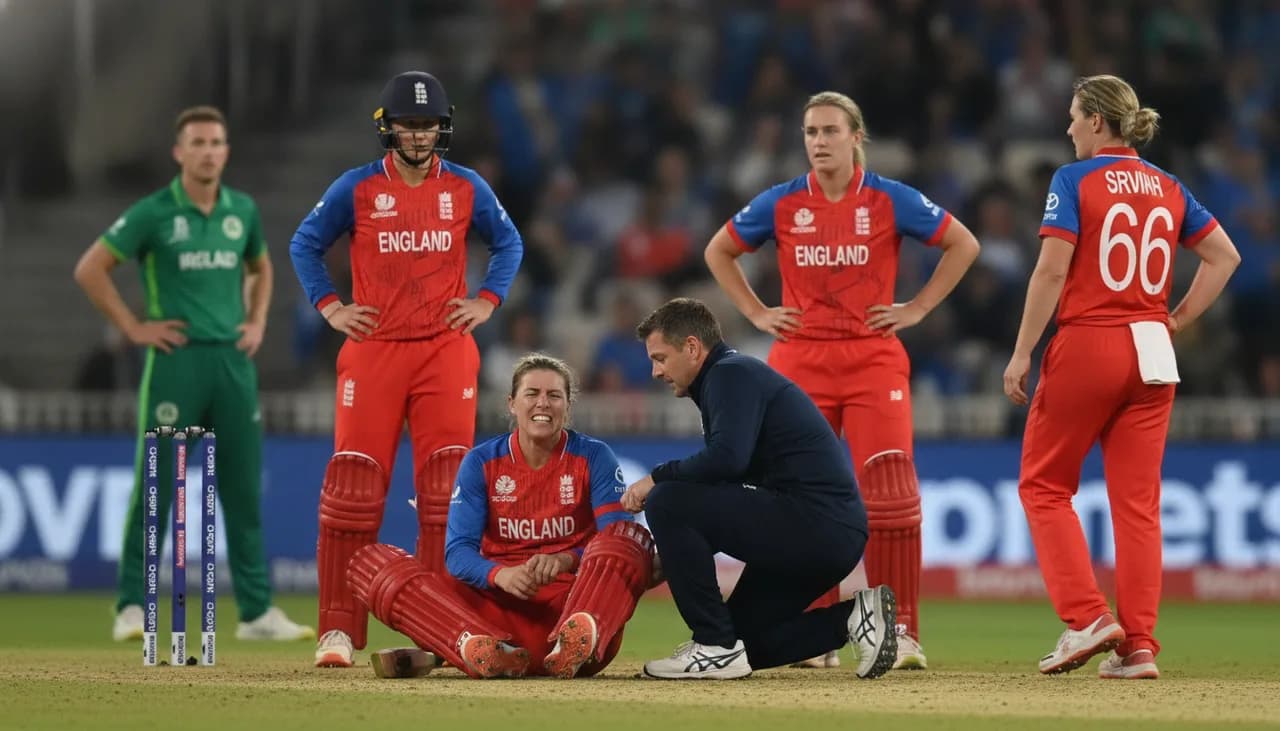
LONDON — Cricket’s governing bodies are set to trial a significant rule change in domestic first-class cricket, allowing teams to replace players who suffer "serious injuries" during a match. The move aims to address concerns over competitive fairness when a key player is forced off the field due to an injury sustained mid-game.
The trial, approved by the International Cricket Council (ICC) and domestic boards, will initially run in select first-class competitions, including England’s County Championship and Australia’s Sheffield Shield. Under the new rule, teams can nominate a substitute if a player is deemed unfit to continue due to a "medically confirmed serious injury," such as fractures, concussions, or muscle tears requiring immediate treatment.
How the Replacement Rule Will Work
The proposed system introduces several key conditions:
- The injured player must be assessed by an independent medical professional.
- The replacement must be a like-for-like swap (e.g., a bowler for a bowler).
- The substitute cannot bat or bowl if the injured player had already participated in that innings.
The rule aims to prevent teams from being disadvantaged by injuries that occur after a match has begun. "This is about maintaining the integrity of the contest," said ICC Cricket Committee Chair Greg Barclay. "If a fast bowler goes down in the first session, it shouldn’t mean the game is effectively over for their team."
Mixed Reactions from Players and Coaches
While the rule has been welcomed by some, others have raised concerns about potential misuse. England Test captain Ben Stokes voiced cautious optimism: "It’s a step in the right direction, but we need to ensure it’s not exploited. Injuries are part of the game, but fairness is crucial."
Former Australian fast bowler Brett Lee, however, expressed reservations: "Cricket has always been about resilience. If a player gets hurt, the team adapts. Introducing replacements could change the dynamics too much."
Medical Protocols and Safeguards
To prevent abuse, strict medical verification will be required. Teams must submit injury reports within 30 minutes of the incident, and independent doctors will have the final say on whether a substitution is warranted. The ICC has also warned that "frivolous claims will result in penalties, including potential match fee deductions."
Historical Context and Precedents
The concept isn’t entirely new—concussion substitutes were introduced in 2019 after growing awareness of head injuries. That rule allowed teams to replace players who suffered concussions, a move widely praised for prioritizing player safety. The new trial expands this principle to other serious injuries.
However, critics argue that broadening the scope could lead to tactical substitutions. "What stops a team from claiming a minor niggle as a serious injury to get a fresh player?" questioned former South African coach Russell Domingo.
What’s Next for the Trial?
The trial will run for at least one full domestic season before being reviewed. If successful, it could be implemented in international cricket as early as 2025. The ICC has confirmed that data on injury frequency and substitution impact will be closely monitored.
Cricket Australia’s Head of Operations, Peter Roach, emphasized the trial’s experimental nature: "This is about finding the right balance. Player welfare is paramount, but we must preserve the essence of the game."
Conclusion: A Step Toward Modernization?
The trial reflects cricket’s ongoing evolution in response to player welfare concerns. While traditionalists may resist, the sport’s administrators appear determined to adapt. As Barclay noted, "Cricket must progress without losing its soul. This trial is about fairness, not changing the game’s core."
The debate will continue as the trial unfolds, but one thing is clear: cricket’s approach to injuries is entering a new era.