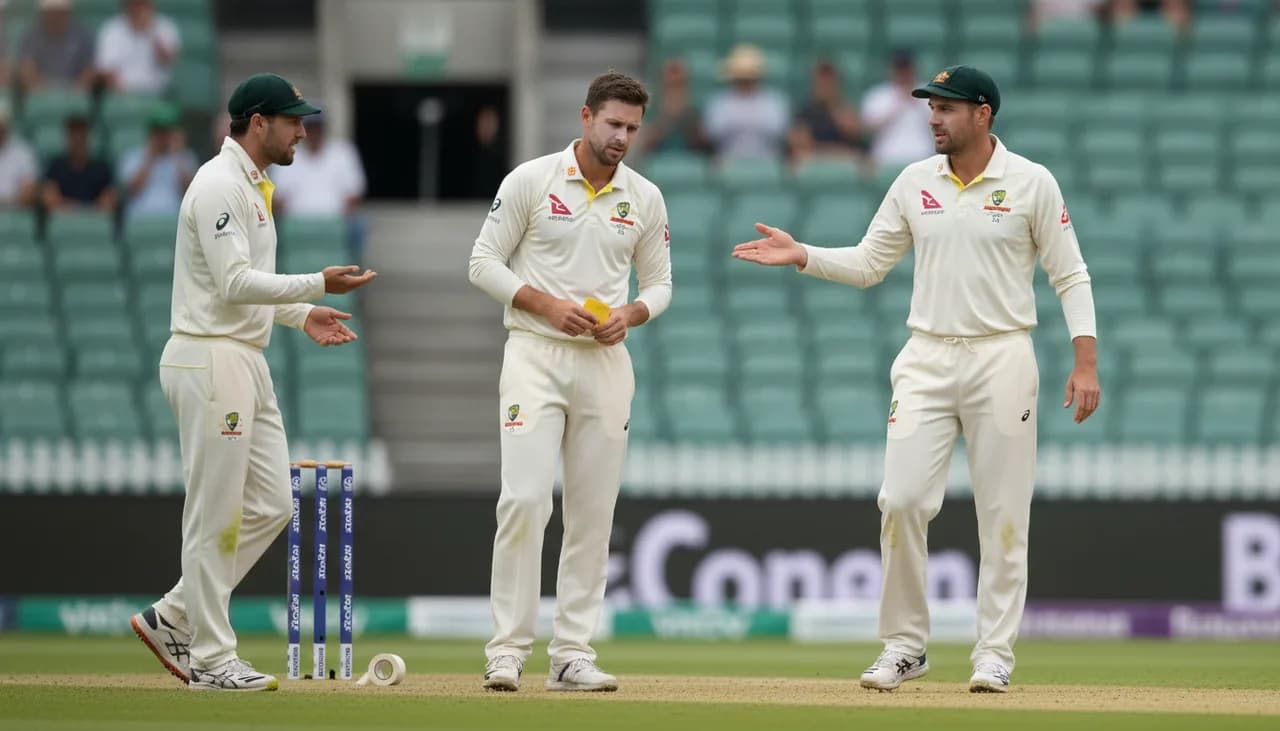
The decline of cricket in the state school system represents more than just a sporting loss; it is a missed opportunity to combat a growing public health crisis among young people. According to the Marylebone Cricket Club (MCC), the guardian of the game's laws, reviving the sport in these educational institutions could play a pivotal role in addressing the pervasive issue of "digital addiction."
The Scale of the Problem
The erosion of cricket's presence in state schools over recent decades is stark. A combination of factors, including a crowded curriculum, a perceived lack of time, the cost of equipment and facilities, and a shortage of specialist PE teachers, has pushed the sport to the sidelines. Where once cricket was a summer staple, many students now have little to no access to it. This decline coincides with a dramatic shift in how children spend their leisure time. The lure of screens is powerful, with Ofcom data suggesting that the average child in the UK now spends over five hours a day online, a figure that has been steadily climbing.
This digital immersion has tangible consequences. Public Health England and numerous child development experts have linked excessive screen time to a host of issues, including:
- Increased rates of anxiety and depression
- Physical inactivity and associated health problems like obesity
- Disrupted sleep patterns
- Poorer social skills and a sense of isolation
Against this backdrop, the call from the MCC is not merely nostalgic; it is a prescription for a healthier, more balanced childhood.
A Collective Failure and a Call to Action
Ed Smith, the former England cricketer and current MCC president, has been vocal about the need for a coordinated effort. He argues that cricket's various stakeholders have not worked together effectively enough to halt the sport's decline in the state sector. "The stakeholders in cricket need to work together better," Smith stated, pinpointing the lack of synergy as a critical failure.
The responsibility, he suggests, does not lie with a single entity but is shared across the game's governing bodies, including the England and Wales Cricket Board (ECB), county clubs, and charitable foundations like the MCC itself. The challenge is systemic, requiring a unified strategy that addresses the core barriers to participation. Smith elaborated, "It's about creating a sustainable pathway, not just a one-off event."
Cricket as an Antidote to the Digital World
So, how exactly can a centuries-old bat-and-ball game compete with the instant gratification of a smartphone or a video game? Proponents argue that cricket offers a unique set of benefits that are directly antagonistic to the harms of digital addiction. At its heart, cricket is a social and physical activity that demands presence, patience, and interaction.
"When you're on a cricket field, you are engaged in the real world," explains a youth coach involved in inner-city programs. "You're communicating with teammates, reading a situation, feeling the sun on your back. The phone is forgotten." This enforced break from screens is invaluable. Furthermore, cricket teaches delayed gratification—a test match can last five days, but even a T20 game requires periods of focused concentration and strategic thinking, a stark contrast to the rapid-fire nature of digital content.
Building Character and Community
Beyond the physical exercise, the sport instills values that are increasingly rare in the digital realm. The Spirit of Cricket—the game's historic emphasis on fair play, respect for opponents, and self-discipline—provides a powerful ethical framework. Children learn to win with humility and lose with grace, to trust their teammates, and to respect authority in the form of umpires.
This community-building aspect is crucial. Digital addiction often fosters isolation, whereas cricket, by its very nature, is a collective endeavour. It forges friendships and connects children to their school and local clubs, creating a sense of belonging that can be a strong protective factor against mental health struggles.
Blueprint for a Revival
Reviving state school cricket requires a pragmatic and multi-faceted approach. The MCC, through its MCC Foundation, has already made strides by establishing a network of hub clubs in state schools across the country, providing free coaching and equipment. However, Smith and others acknowledge this is just a start. A successful national strategy would need to involve:
- Investment in Facilities and Equipment: Providing schools with non-turf pitches, plastic bats, and tennis balls to lower the barrier to entry and overcome space constraints.
- Teacher Training and Support: Empowering non-specialist teachers with the confidence and skills to deliver engaging cricket sessions.
- Partnerships with County Clubs: Creating clear talent pathways and providing role models through visits from professional players.
- Adapted Formats: Promoting shorter, faster versions of the game like All Stars Cricket and Dynamos Cricket, which are designed to be more accessible and exciting for beginners.
The ECB's "Inspiring Generations" strategy has similar goals, but the message from the MCC is that the execution must be more cohesive and relentless. The focus should be on fun and inclusion first, with performance and competition as a natural outcome for those who develop a passion for the game.
A Wider Social Dividend
The argument for reviving state school cricket extends beyond the boundary rope. By getting children active and outdoors, the sport can contribute to tackling the childhood obesity epidemic. By teaching teamwork and respect, it can support positive behaviour and attendance in schools. And by providing a healthy, engaging alternative to screens, it offers a tangible solution to the problem of digital addiction.
This is not just about producing the next Ben Stokes or Joe Root, though that would be a welcome byproduct. It is about providing every child, regardless of their background, with the opportunity to experience the unique joys and life lessons that cricket can offer. "This is about the overall well-being of the next generation," Smith concluded.
Conclusion: A Test Match for the Future
The challenge of reviving state school cricket is a difficult one, akin to a tough fifth-day test match pitch. It will require patience, skill, and a collaborative team effort from all corners of the game. The opposition—a sedentary lifestyle, digital distraction, and systemic underfunding—is formidable.
Yet, the potential reward is immense. A successful revival would not only secure the future of England's summer game but also equip young people with the resilience, social skills, and healthy habits needed to thrive in an increasingly complex world. The call from Lord's is clear: it's time for cricket's stakeholders to come together, not just for the sake of the sport, but for the sake of the children themselves. The long-term health of our communities may well depend on it.