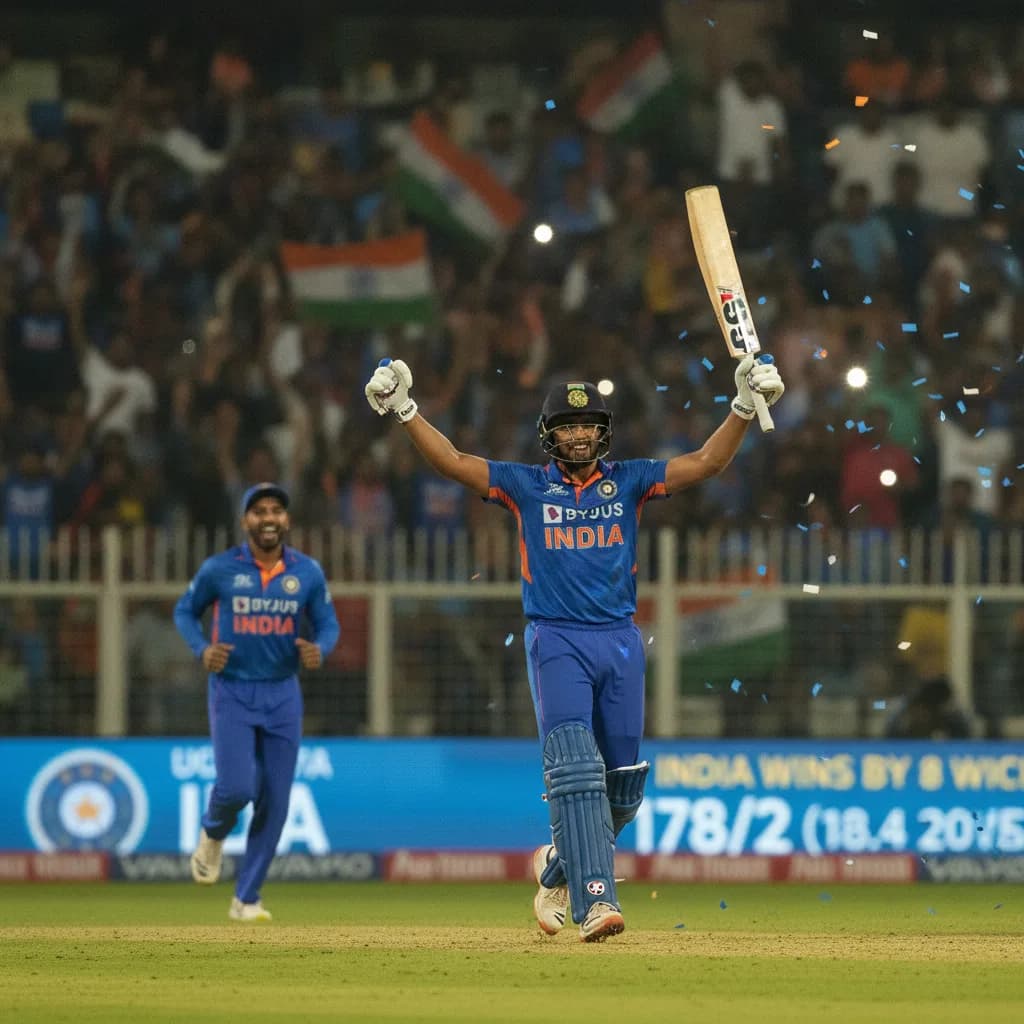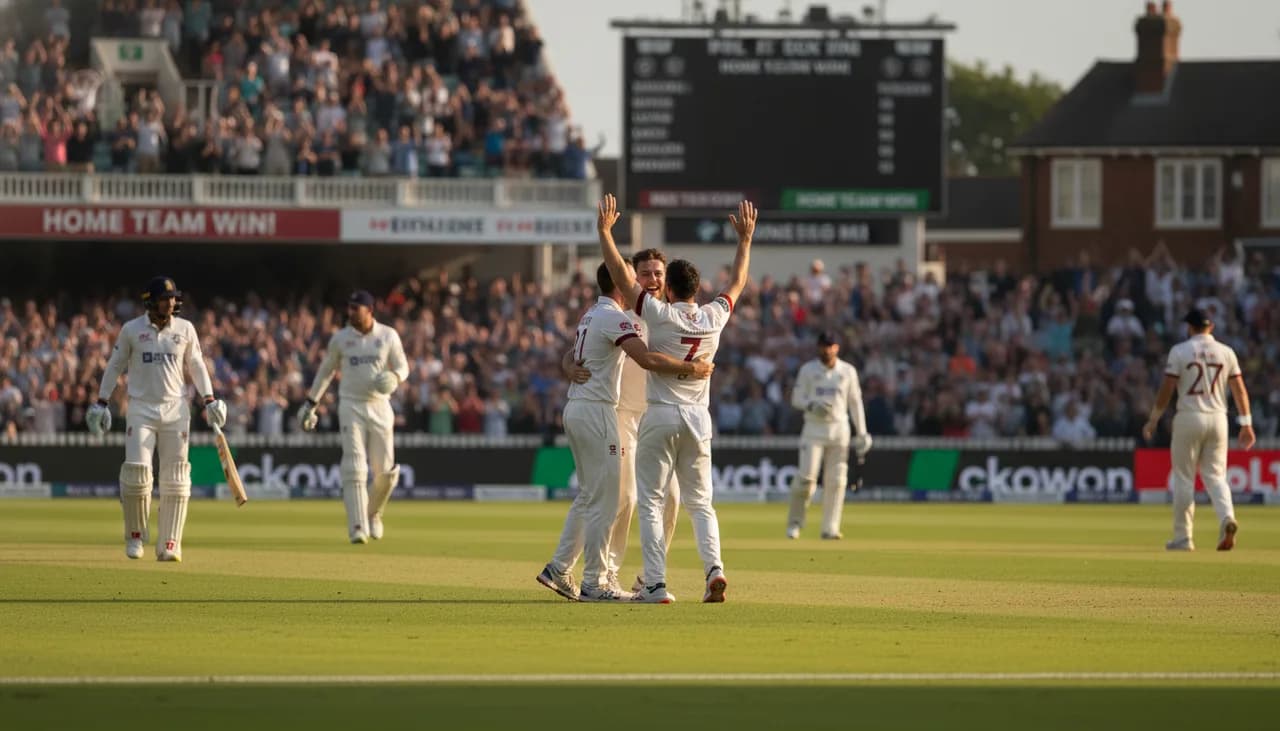
There is something almost inevitable about Joe Root with the England captaincy armband back on his arm. When Ben Stokes stepped down following the New Zealand series this summer, the queue of credible alternatives was a short one, and the Yorkshireman duly stepped forward once more. As England prepare to face Pakistan at Headingley, it feels like an appropriate moment to look honestly at what Root's first spell in charge actually tells us — and what supporters should realistically expect from his second.
A Record-Holder With a Complicated Legacy
Root is now leading England for the 66th time in Test cricket, a national record that puts him clear of every other man to have worn the captain's hat for this country. In absolute terms, he has also won more Test matches as England skipper than anyone else in the team's history. But records built on longevity invite scrutiny, and the fuller picture is more nuanced. Among captains who have led England in more than 30 Tests, Root's win percentage places him sixth — behind the likes of Mike Brearley, Stokes, Michael Vaughan, Peter May, and Andrew Strauss. Equal numbers of victories and defeats across his tenure is a perfectly respectable but hardly sparkling return.
The Final Stretch Dragged His Numbers Down
What skews Root's overall record most significantly is a brutal run towards the end of his first stint — just a single victory across his final 17 Tests in charge. Strip that away and judge him on the preceding 47 matches, and his numbers actually compare favourably to those of Stokes. Context matters enormously here, and Root's tenure coincided with some difficult rebuilding periods for England cricket. That said, punters who had backed England to win series during that final stretch would have been frequently disappointed, and outright odds on England matches during that period reflected the uncertainty.
Struggles Against the Big Two
If there is one area of Root's captaincy record that should give England fans genuine pause, it is his performance against Australia and India. Against those two heavyweights, Root's win percentage drops to 29%, which places him tenth on the all-time list for England captains — with losses outnumbering victories by a ratio of two to one. By comparison, Stokes won 35% of his matches against the same opposition, Cook managed 38%, and the gold standard remains Brearley, who captained between 1977 and 1981 and won 57% of his Tests against Australia and India. With a home Ashes series on the horizon in 2027, those numbers will not be lost on the selectors.
Will Bazball Give Way to Caution?
Perhaps the most intriguing question surrounds England's style of play. Under Brendon McCullum and Stokes, England played expansive, high-tempo cricket that transformed Test match culture in this country. The data from Root's first spell, however, suggests a naturally more conservative approach — his England sides produced lower run-rates and struck fewer attacking shots than Stokes's teams, and only those led by Andrew Flintoff and Kevin Pietersen were more restrained among captains since 2006. Whether Root embraces the Bazball identity or gradually steers England back towards something more measured will define how this chapter is remembered.
Joe Root the batter has never needed defending — he is arguably the finest England player of his generation. Root the captain is a different, more complex proposition. His second spell begins with cautious optimism, but the statistics from his first tenure suggest the road ahead against elite opposition will require clear tactical growth. At Headingley this week, the first clues should begin to emerge.