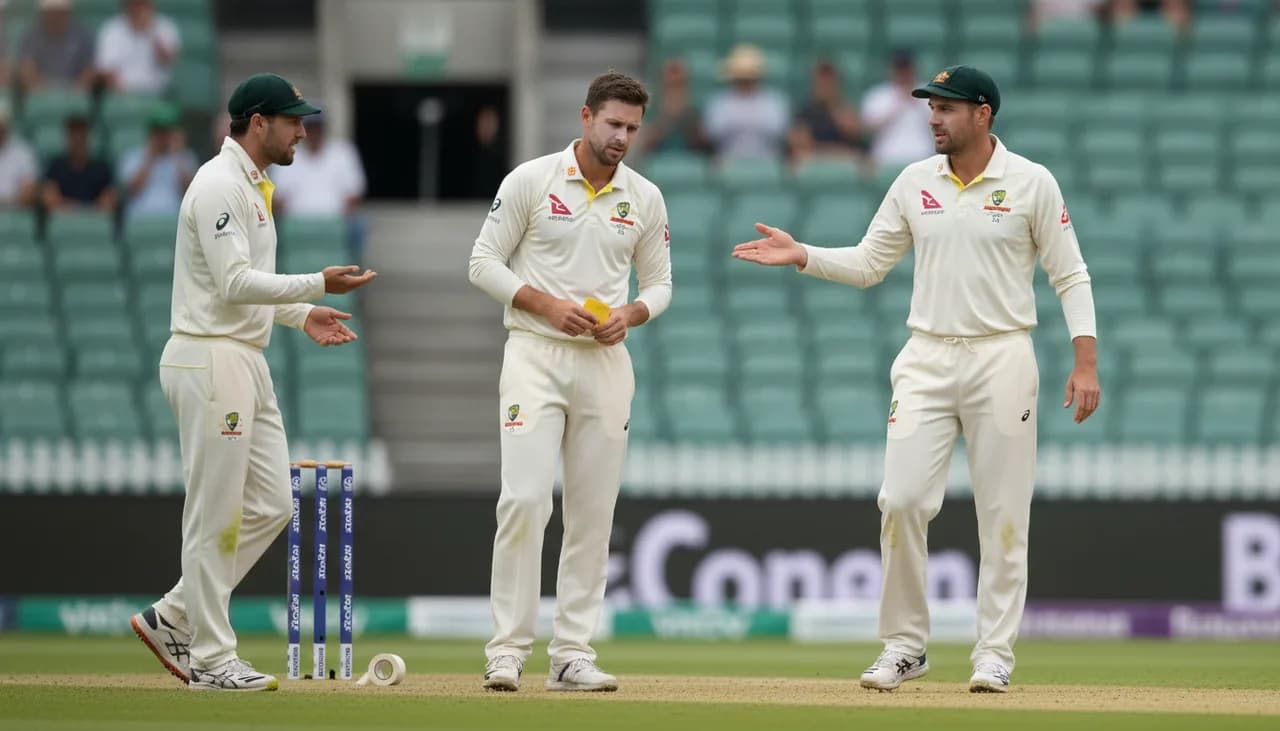
Root Speaks Out After Headingley Masterclass
Fresh from overseeing an innings victory against Pakistan sealed inside three days at Headingley, Joe Root used the post-match spotlight to raise a question that has been quietly nagging at English cricket for some time — who gets to decide where England play their biggest Test matches, and does it actually make strategic sense?
Root was measured but pointed in his comments, acknowledging it would be "nice to have a choice" over which grounds England use when the stakes are highest. It is a sentiment that will resonate with plenty of supporters, particularly given the timing. Headingley has become something of a fortress for this England side, yet it will not host a men's Ashes Test in next summer's eagerly anticipated series against Australia.
England's Most Potent Home Fortress Sits Idle
The numbers make for compelling reading. England have now won seven consecutive Tests at Headingley, a run that stretches back to 2018 and represents their longest active winning streak at any venue in the world. Their next best current streak — six matches — came at Chester-le-Street, a ground that no longer hosts international cricket. By any analytical measure, Headingley is the ground England most need in their arsenal for a high-pressure Ashes summer.
Yet the fixture allocation for the 2027 series, announced back in 2023 and brought sharply back into focus when next year's schedule was confirmed in July, tells a different story. Trent Bridge in Nottingham will be the northernmost venue to host a men's Ashes Test, while Southampton — staging an England versus Australia fixture for the very first time — also features. Headingley, meanwhile, has been handed a women's Ashes Test. A prestigious occasion in its own right, but not what Root's side would have chosen.
The Australia Comparison Is Hard to Ignore
Root was careful to stay diplomatic, noting that the venue allocation system in England operates differently to how things work elsewhere, and suggesting the matter falls outside a player's remit. "I think I should probably stay in my lane and understand that it's someone else's job to sort out," he said. But the implication in his wider remarks was clear enough.
When pressed on the Australian model, the contrast is stark. Australia have not lost an Ashes Test at the Gabba in Brisbane since 1986, and England have not beaten them in Perth since 1978. There is little chance Cricket Australia would voluntarily remove those venues from an Ashes roster — they are precisely the kind of grounds that give the host nation a structural advantage before a ball is bowled. England's commercial and administrative model, which distributes Tests across a wider pool of venues, does not afford the same luxury.
A Question Worth Asking Before 2027
As a former coach, I understand why administrators spread fixtures around — there are financial commitments to member counties, broadcast deals, and infrastructure investments to consider. But from a purely competitive standpoint, Root has a point that deserves a serious hearing rather than a polite brush-off.
For those following the Ashes betting markets, this kind of structural disadvantage matters. England heading into a home series without their most reliable venue — one where they are currently on a seven-match winning run — could subtly influence outright odds that might otherwise lean more heavily in the hosts' favour. It is exactly the sort of factor sharp punters and analysts should be factoring in well ahead of next summer.
Root was gracious enough to express his love for Headingley as a proud Yorkshireman, and gracious enough not to name names. But the question he raised deserves an equally candid answer from those who control the fixture pen.