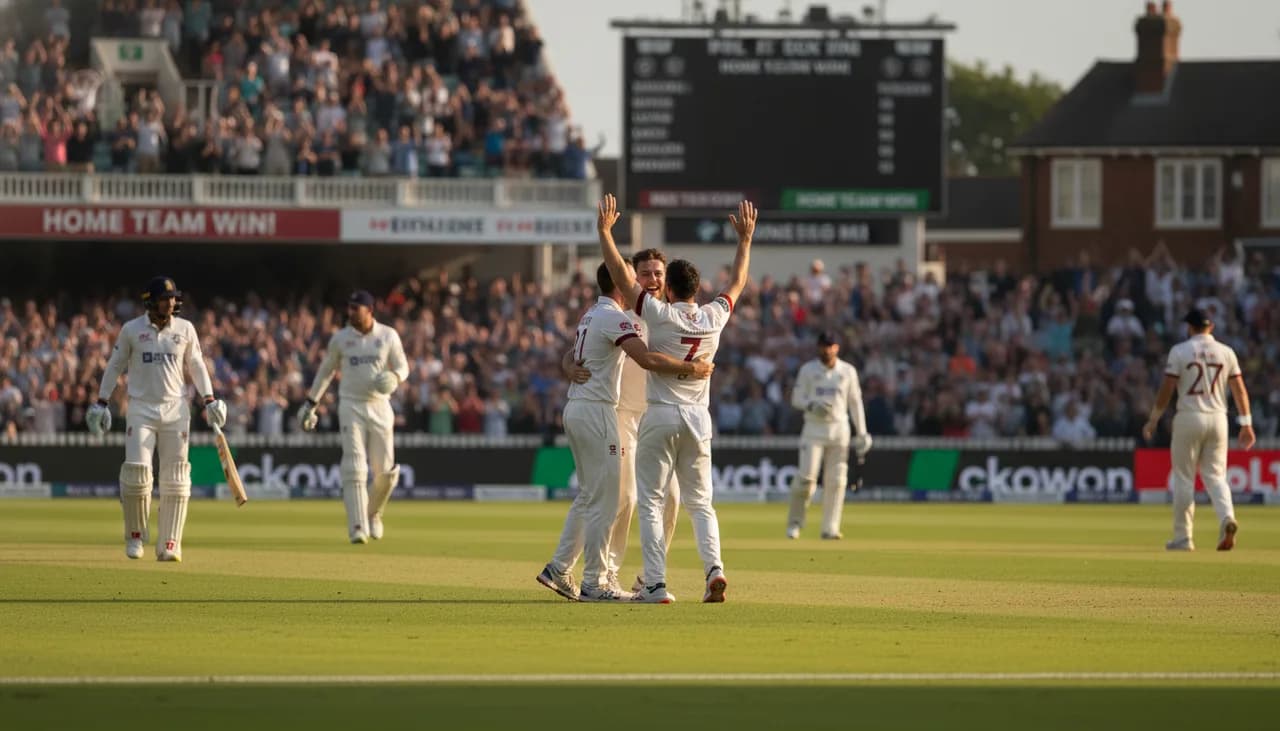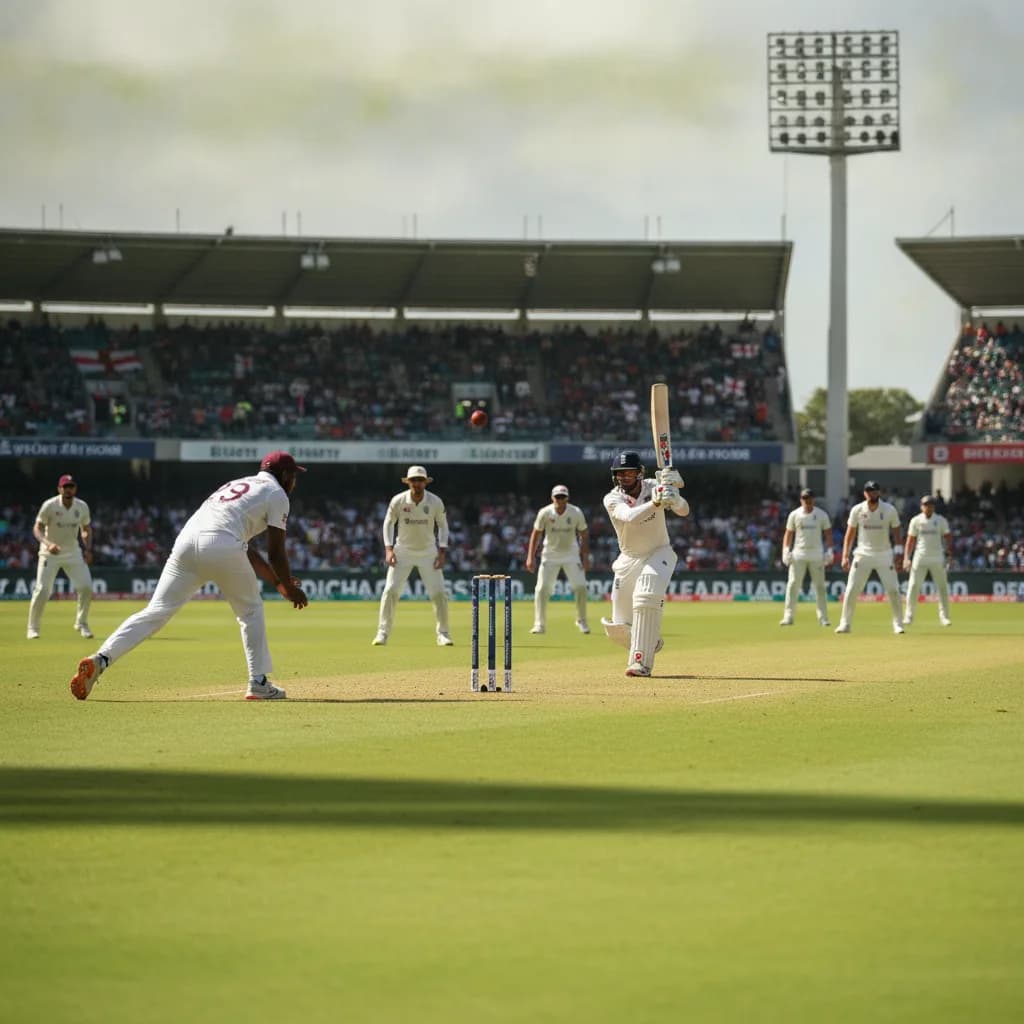
If Joe Root needed a confidence-boosting start to his second spell as England Test captain, he got one at Headingley. An innings victory over Pakistan wrapped up inside three days is about as positive a beginning as you could script — though the wise analyst will resist getting too carried away just yet. Pakistan's performance was so wretched that separating genuine England progress from opportunistic run-scoring and bowling against a side in disarray is genuinely difficult. Still, there are real takeaways worth chewing over.
Four seamers and a leap of faith
The most significant experiment at Headingley was England's decision to field four frontline seam bowlers — Jofra Archer, Ollie Robinson, Josh Tongue and Gus Atkinson — with Dan Lawrence's part-time off-breaks serving as the token spin option. In the end, Lawrence barely featured, sending down just a single over across the entire match. On a pitch that offered genuine assistance to the seamers, the gamble paid off handsomely. Robinson and Tongue were the chief destroyers, each claiming eight wickets in the match, while Archer and Atkinson found their rhythm as the game progressed after a slightly rusty start — understandable given both had spent the previous month in the shorter format with The Hundred. Root summed it up well when he said England "don't know how good they could be", which is an exciting place to be.
The scale of the bowling rebuild
It is worth pausing to appreciate the sheer scale of what England are rebuilding here. Ben Stokes's retirement removed not just a generational all-rounder but the very spine of the attack. Add in the earlier departures of Stuart Broad, James Anderson and Chris Woakes, plus the likely exit of Mark Wood, and England have shed 1,871 Test wickets in fewer than three years. That is a staggering amount of experience to replace in any era. The four seamers who took the field at Headingley represent the first serious attempt at an answer. This result will shorten England's series odds with most bookmakers, but judging the new attack on one match against a woeful Pakistan side would be premature.
The spinner-shaped hole
One issue that did not bite England at Headingley but could well become significant as the summer progresses is the absence of a reliable frontline spinner. England currently lack any bowler who can genuinely be called Test-class in that department, and the all-seam approach only works when conditions are cooperative. On flatter pitches, particularly if the series moves to venues less favourable to swing and seam, that gap in the squad could become exposed. England may continue stacking pace options precisely because that is where their best bowling talent resides right now, but the spinner question will not stay dormant forever.
Root's second coming
For Root personally, this was about as comfortable a reintroduction to the captaincy as possible. Leading a side to an innings victory in your first match back in charge does wonders for dressing room confidence and public perception alike. The real test of his leadership — and of this new-look England side — will come when things get harder, the pitches flatten out, and Pakistan or whoever comes next puts up a proper fight. For now, though, Headingley was precisely what a new era needed.
England have ticked the first box. The series, and the broader post-Stokes project, will reveal far more in the weeks ahead.