A Moment of Brilliance Changes the Afternoon Session
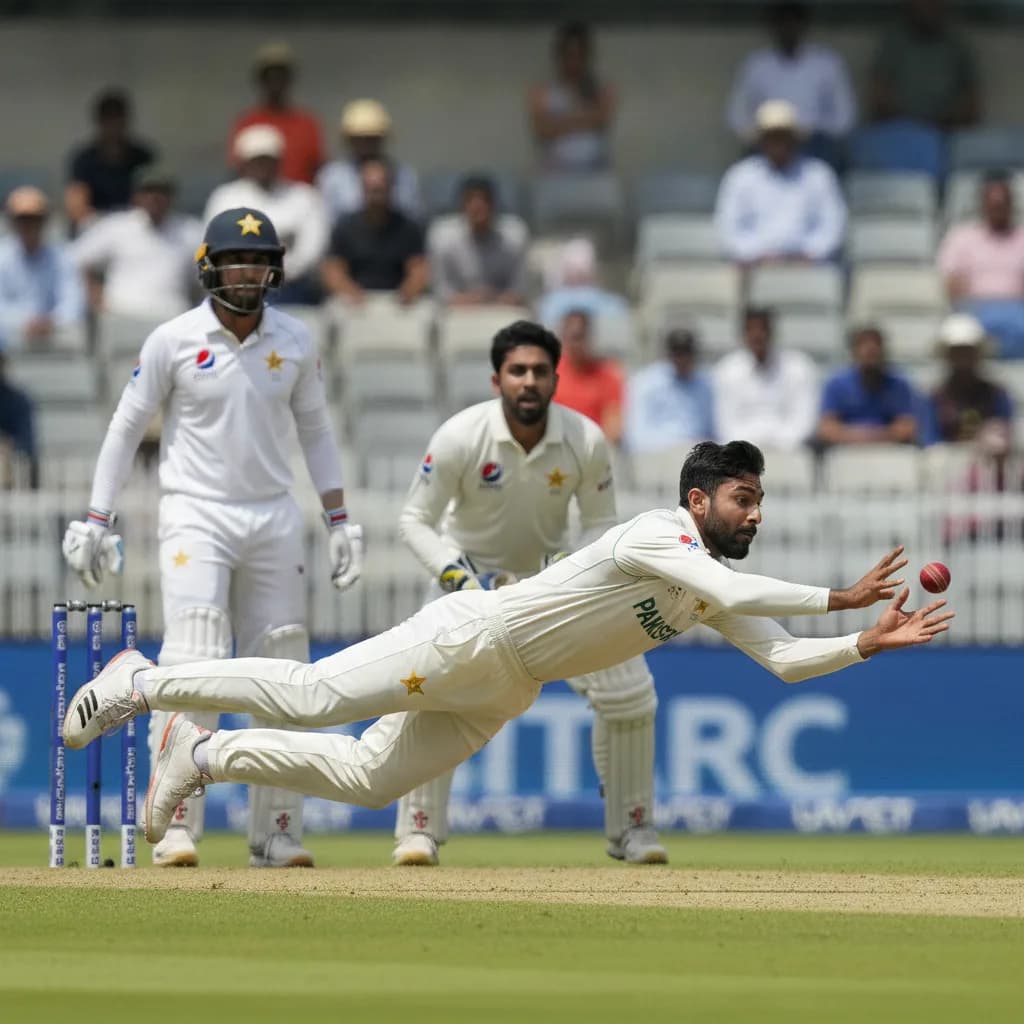
There are catches, and then there are those catches — the ones that stop play, silence a crowd for a split second, and then bring it roaring back to its feet. Lord's witnessed exactly that on the opening day of the second Test between England and Pakistan, when substitute fielder Salman Ali Agha produced a jaw-dropping, full-length diving take at slip to remove Jordan Cox for 55. It was the kind of dismissal that will be replayed on highlights packages for years to come.
As a former coach, I've watched thousands of catches in my time. What made this one special wasn't just the athleticism involved — it was the instinct. Agha was moving almost before the edge had left the bat, launching himself to his right and plucking the ball seemingly from thin air. Extraordinary.
Cox's Innings Cut Short at a Crucial Moment
The dismissal was particularly damaging from an England perspective. Cox had been building a composed and increasingly confident knock, reaching the boundary on multiple occasions and looking every inch a batsman who had found his rhythm. His 55 runs had helped England recover from a difficult position, and the partnership he was involved in had given the home side real hope of posting a competitive total.
When he fell, England were 187 for six — a score that reflects a day of considerable struggle. Losing Cox at that stage, with the tail approaching, effectively signalled the end of any ambitions of batting deep into the evening session. It was a wicket that, in cricketing terms, was worth far more than the number on the scoreboard suggested.
The Role of the Substitute Fielder — Often Overlooked, Occasionally Decisive
Substitute fielders rarely get the headlines, and that's perhaps understandable. They're not selected in the playing eleven, they don't bat or bowl, and their contributions often go unacknowledged in the final scorecard. But Salman Ali Agha has just reminded the cricketing world that a single moment of brilliance in the field can shift the entire narrative of a Test match.
Pakistan's decision to bring him on as a substitute paid off handsomely. At the time of writing, England's odds of winning this second Test have drifted noticeably following their first-day troubles, with Pakistan edging shorter in the outright match betting as a result of this collapse. A score of 187 for six is not insurmountable, but it puts significant pressure on England's lower order to contribute something meaningful come Friday morning.
What This Means for the Remainder of the Match
England will need a strong response from their remaining batters if they are to avoid handing Pakistan the initiative entirely. The tourists' fielding, energised by Agha's stunning effort, will have been given a significant confidence boost — and that kind of momentum in the field can prove infectious throughout a side.
From a tactical standpoint, Pakistan's bowlers will be looking to wrap up the England innings as quickly as possible and look to bat in favourable conditions. Whether England can scrape together enough to remain competitive remains to be seen, but on the evidence of day one at Lord's, Pakistan appear very much in the ascendancy. One catch doesn't win a Test match — but it can certainly shape one.