Salt Speaks Out on Fixture Congestion
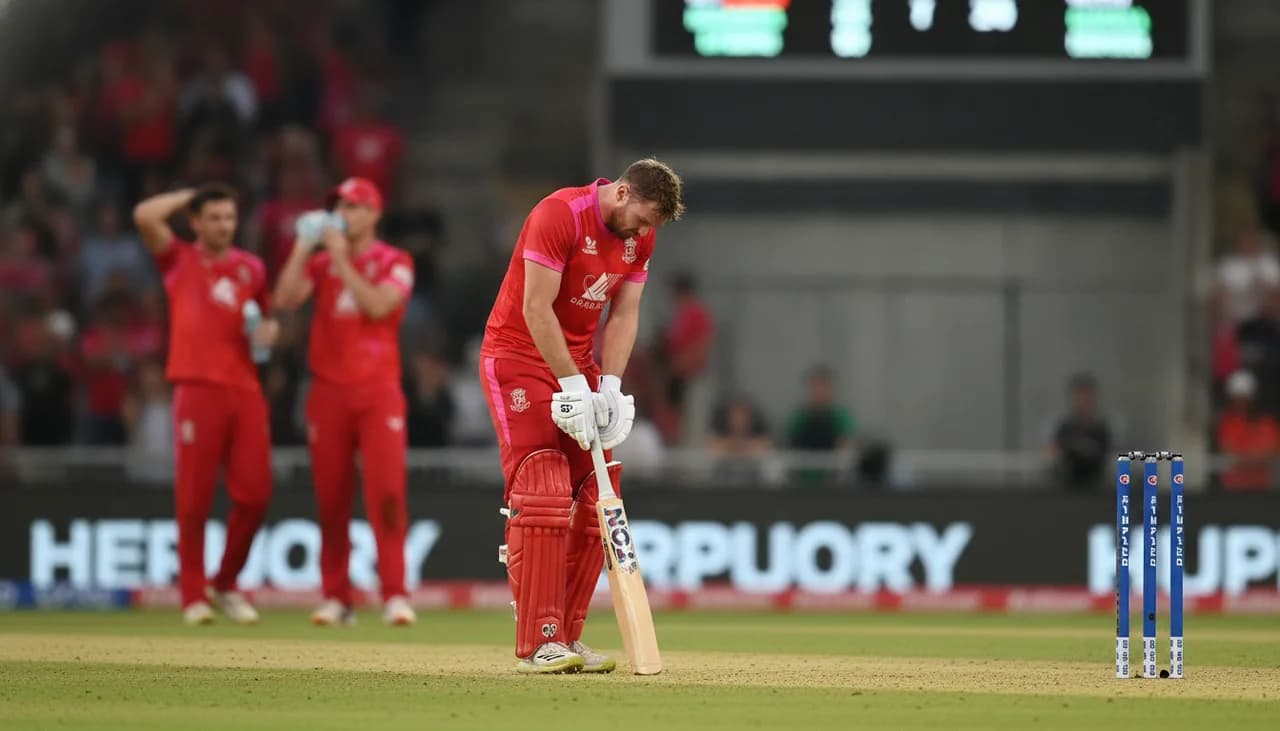
Phil Salt is not one to shy away from speaking his mind, and the Welsh Fire captain has done exactly that after a punishing run of fixtures left his squad stretched to the limit. Salt, who led his side through three matches in the space of five days during the current Hundred campaign, has openly stated he would prefer the competition to run for an additional week — giving players more time to recover between games and travel.
"From a player's point of view I'd like this competition to be probably a week longer," Salt told BBC Sport, adding that he appreciated the scheduling constraints but couldn't help wishing for a little more breathing room. It's a measured take from someone clearly balancing honesty with pragmatism.
A Punishing Run of Fixtures for Welsh Fire
The specifics of Welsh Fire's schedule tell their own story. Salt's side made the trip to Birmingham to face Phoenix on a Saturday afternoon, returned to Cardiff to take on Southern Brave on Monday evening — picking up the win — before heading north to face Manchester Super Giants on Wednesday afternoon, where they ultimately came unstuck. Three cities, three matches, five days.
Salt was particularly sympathetic to some of his overseas recruits, noting the logistical challenges for taller players like Marco Jansen and Lockie Ferguson, both of whom have spent considerable time cramped on coaches not exactly designed for men of their stature. "They've done a lot of time on the bus in the last three days! A bus that's not built for lads that size," Salt quipped. It's a small but telling detail — elite athletes need adequate recovery conditions, and long coach journeys don't help.
How Does The Hundred Compare to Other Tournaments?
Context matters here, and the numbers are quite revealing. The Hundred's group stage currently runs across 23 days, with each team completing eight fixtures in that window. Compare that to the Indian Premier League, where franchises play 14 group games spread over a considerably more generous 56-day period. Even Australia's Big Bash League offers more space, with sides playing ten group matches across a 36-day stretch last season. By those standards, The Hundred is genuinely compressed, and it's not unreasonable for players to notice the difference.
From a tournament betting perspective, that congestion can have a tangible effect on outright markets — tired squads late in a short tournament are more vulnerable to upsets, and Welsh Fire's loss to the Super Giants is a reminder that form can shift quickly when bodies are under strain.
A Wider Conversation About Player Welfare
Salt's comments don't exist in isolation. The Professional Cricketers' Association has repeatedly flagged concerns about the demands placed on players across the English summer. Following the release of the 2026 schedule — which reduced the T20 Blast by two matches — PCA chief executive Daryl Mitchell warned that the existing County Championship calendar, combined with The Hundred, risked genuine burnout for players both mentally and physically.
Salt himself acknowledged he doesn't have the answers when it comes to reshuffling an already packed calendar. "I'm not the man for the answer on the schedule, I just like to magic another week of the year somewhere!" he said with characteristic good humour. But beneath the wit lies a legitimate concern shared by many in the dressing room. As The Hundred continues to evolve, those running the competition would do well to listen carefully to one of its most influential captains.