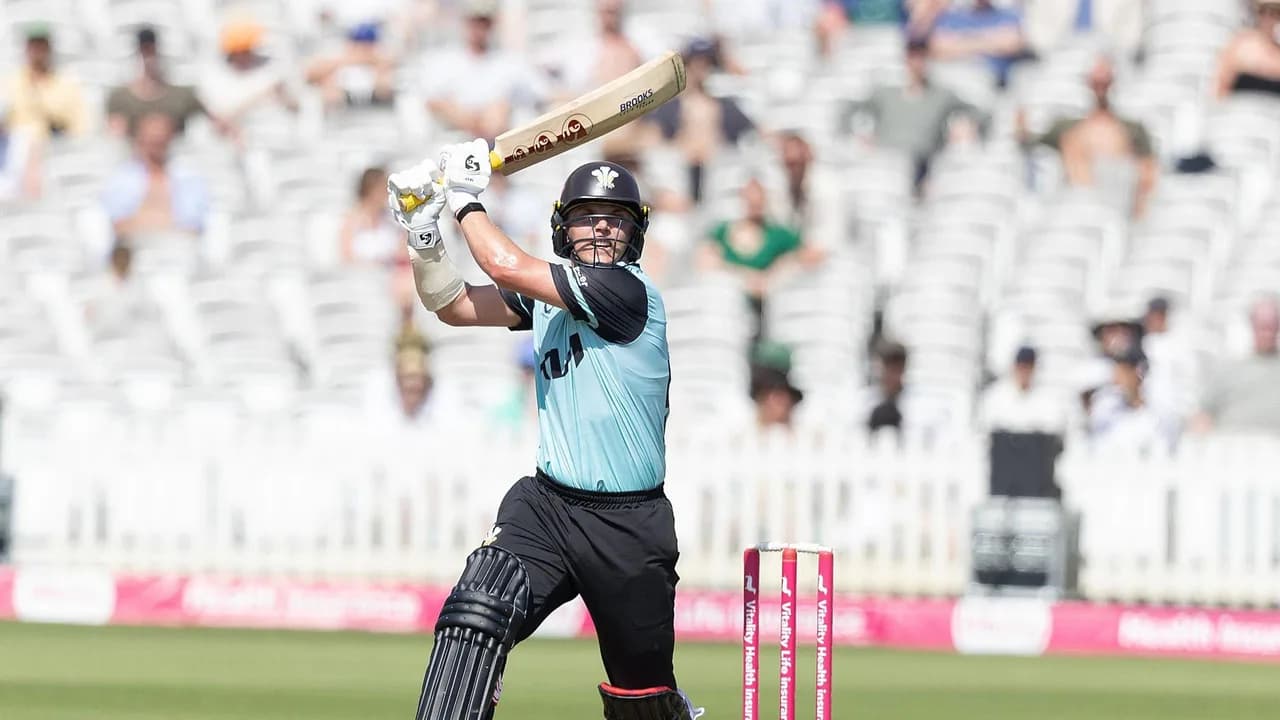

BRIDGETOWN — The ball soared into the Barbados night sky, a moment of pure, unadulterated cricketing genius from Rinku Singh that felt both spectacular and, for England, crushingly familiar. As it disappeared into the stands, so too did England’s hopes of defending their T20 World Cup title. They were on the receiving end of one of the great one-day knocks, but there remains a feeling of inevitability about their exit, a sense that this was a story written long before a single ball was bowled in the Caribbean. The question now, after a semi-final defeat to India that was both heroic and hapless, is whether this is simply the same old story for England’s white-ball teams, or if there are genuine signs of improvement under the stewardship of Matthew Mott and, more recently, Rob Key’s appointment of Matthew Edwards as a key technical advisor.
A Tale of Two Innings
For 35 overs of the semi-final, England were magnificent. Chris Jordan, recalled for his death-bowling expertise and local knowledge, produced a stunning hat-trick in a four-wicket over to dismantle India’s lower order, finishing with figures of 4-28. It was a display of skill and nerve that restricted a powerful Indian batting lineup to 171, a total that seemed at least 15 runs below par on a decent Bridgetown pitch. The bowlers, for the most part, had executed their plans. The fielding had been sharp. Jos Buttler’s captaincy was proactive and intelligent. It was the performance of a champion side reminding everyone of its pedigree.
Then, the chase began. What followed was a collapse of such staggering ineptitude that it threatened to overshadow the earlier brilliance. From a comfortable 72-1, England lost 9 wickets for 68 runs. The batting, hailed as the most fearsome in the world on its day, folded like a house of cards against the high-quality spin of Axar Patel and Kuldeep Yadav, and the relentless accuracy of Jasprit Bumrah. There was no partnership of substance, no one able to wrestle back the momentum. It was a failure of technique, but more damningly, a failure of temperament. As one former England player noted on commentary, "It was a complete malfunction under pressure."
The Edwards Influence: Subtle Shifts
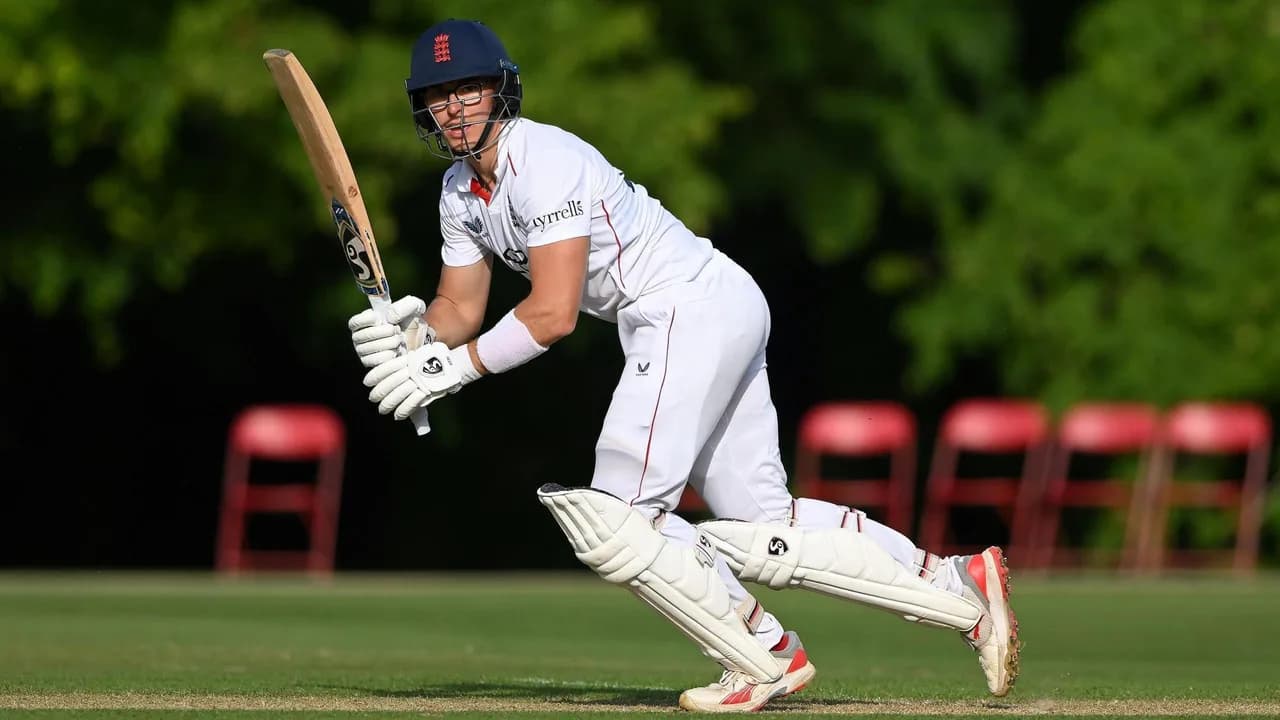
So, where does Matthew Edwards fit into this narrative of glorious failure? Appointed in late 2023 as a batting consultant with a specific focus on translating red-ball form into white-ball dominance, Edwards was brought in to add a layer of technical refinement to England’s power-hitting ethos. His work, though often behind the scenes, has been credited with specific improvements. Observers have pointed to a more structured approach from players like Phil Salt at the top of the order, and a clearer method against spin from Liam Livingstone in the middle overs.
There are tangible metrics that suggest progress. In the lead-up to the World Cup, England’s batting against spin in the middle overs (7-16) showed a marked improvement in boundary percentage and a decrease in dot-ball percentage. This was a direct result of a new, focused training regime implemented by Edwards and Mott. A team insider was quoted as saying, "Matty has brought a forensic level of detail to how we construct an innings against the turning ball. It’s not about changing our DNA, it's about arming it with better tools."
However, the semi-final exposed the fragile nature of this progress. When confronted with world-class spin in a high-pressure knockout game, the old habits and technical flaws resurfaced. The improvements were real, but they had not yet been baked in under the most intense pressure. This highlights the central challenge for Edwards and Mott: building a side that is not just technically proficient, but also mentally resilient enough to win the biggest moments.
Systemic Issues or Individual Failure?
The post-mortem will inevitably focus on selection. The decision to leave out the in-form Will Jacks for the experience of Jonny Bairstow at number three was heavily debated. While Bairstow is a proven match-winner, his form was patchy throughout the tournament. The reliance on Moeen Ali as a frontline spinner, while also expecting him to be a finisher with the bat, placed a heavy burden on one player. The balance of the side often felt a batsman light, placing immense pressure on the top order.
Beyond individual selections, broader questions remain about the pathway and the domestic system. Key areas of concern that persist include:
- Spin Bowling Depth: The lack of a world-class, wicket-taking spinner remains a glaring weakness, especially in subcontinental conditions.
- Middle-Order Stability: The search for a consistent, reliable number four and five to bridge the powerplay and the death overs continues.
- Death Bowling: While Jordan was excellent in the semi-final, consistency at the death has been a recurring issue for years.
The Verdict: Progress, But Not Transformation
To label England’s World Cup campaign under Mott and Edwards as an outright failure would be harsh. They navigated a difficult group, showed flashes of their champion best, and were ultimately defeated by a superior Indian side that played the key moments better. The technical work of Edwards has yielded positive, measurable results that should provide a foundation for the next cycle. The environment within the squad is reported to be positive, with players buying into the long-term vision.
Yet, the manner of the exit feels like a recurring nightmare. The collapse in Guyana was reminiscent of the batting frailty shown in the 50-over World Cup in India just months prior. It speaks to a team that, for all its talent and intention, has not yet solved the puzzle of consistency and big-match temperament. As cricket writer Ffion Wynne put it in her post-match analysis, "The feeling of inevitability was the most damning thing of all."
England have improved under Edwards in specific, technical areas. The data and the eye-test confirm it. But they have not yet undergone the transformation required to shed the tag of ‘brilliant but brittle’. The same old story? Not quite. It’s a new chapter, but one with a frustratingly similar ending. The challenge now is to ensure that the progress made in the shadows of the nets can finally withstand the blinding glare of a World Cup knockout. The foundations are there, but the house is not yet built.