
Cricket Ireland Braces for Protests Ahead of Five-Match Series
As someone who has spent decades involved in cricket at various levels, I know how rarely the sport finds itself at the centre of major political debate. But the upcoming five-match men's ODI series between Ireland and Afghanistan is shaping up to be one of the most controversial fixtures on the calendar this summer — and for deeply serious reasons that go well beyond the boundary rope.
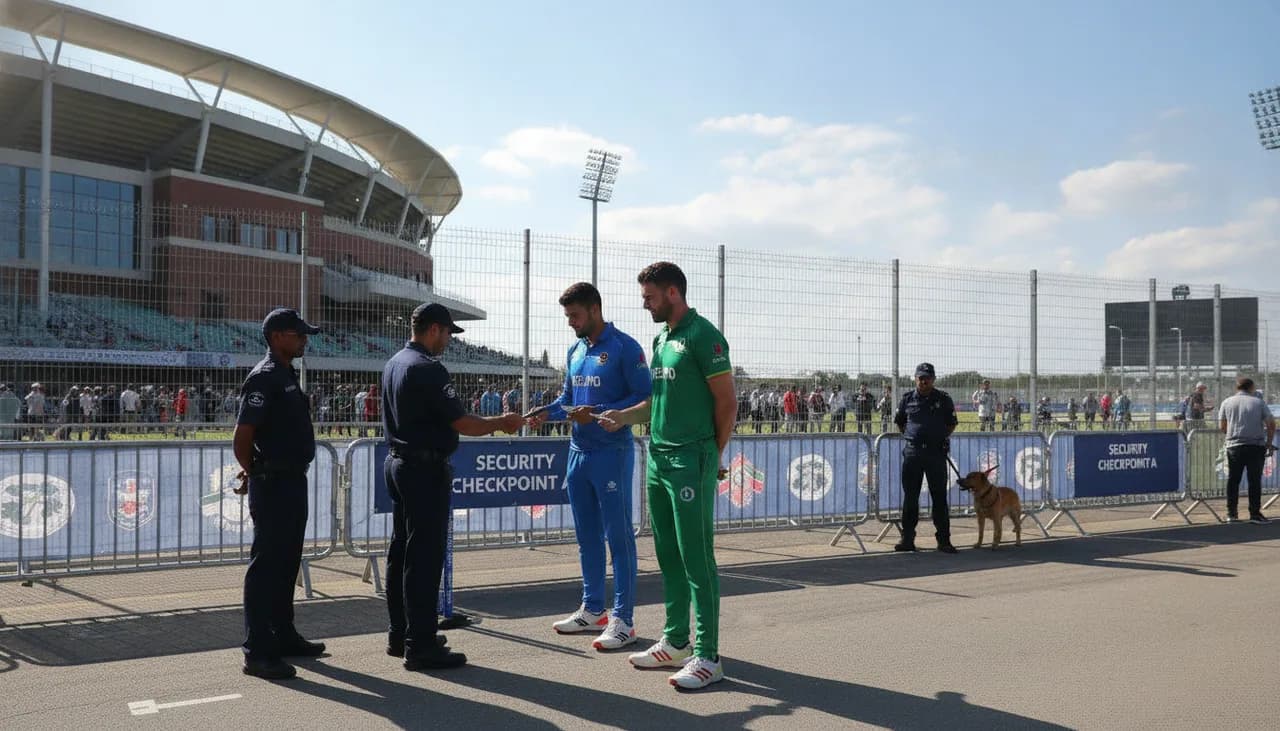
Cricket Ireland has confirmed that thorough security plans are firmly in place ahead of the series, following discussions with a range of stakeholders including the Police Service of Northern Ireland (PSNI). The governing body stated that all necessary arrangements have been made to protect players, officials, supporters, and staff throughout the fixtures. Given the very real possibility of protests at match venues, those assurances will provide some measure of comfort to everyone involved.
Why Are Protests Expected?
The decision by Cricket Ireland to host Afghanistan this summer has drawn significant criticism, and it is not hard to understand why. Since the Taliban reclaimed control of Afghanistan in 2021, women in the country have faced devastating restrictions across virtually every aspect of daily life. Education, employment, freedom of movement, and public participation have all been severely curtailed. Sport, too, has been effectively outlawed for women — a particularly painful reality for cricket fans when you consider that many Afghan women's cricketers were forced to flee the country for their own safety, with reports of Taliban forces raiding the homes of female athletes.
Cricket Ireland chief executive Sarah Keane, appointed earlier this year, openly acknowledged the situation carries what she described as a degree of moral discomfort. That is a refreshingly candid position for a governing body, even if critics argue that hosting the series at all sends the wrong message internationally.
Venues, Fixtures, and What to Expect on the Pitch
The five ODIs will be split across two venues in Northern Ireland. The opening two matches are scheduled for Bready next Wednesday and Friday, before the series moves to the iconic surroundings of Stormont for the final three fixtures on 10, 12, and 15 August. From a purely cricketing standpoint, this is a competitive series that should attract genuine interest — Afghanistan have developed into a formidable one-day side and Ireland will be keen to test themselves against quality opposition on home soil. For those keeping an eye on markets, Afghanistan will likely start as narrow favourites given their recent ODI form, though Ireland's familiarity with home conditions could tighten the odds as the series progresses.
The PSNI's Position on Peaceful Protest
The PSNI has been clear that while it will not discuss specific operational details, a proportionate policing plan will be active should demonstrations take place at the grounds. Officers will uphold the legal right to peaceful protest — a fundamental human right — whilst also ensuring any activity that risks public safety or infringes upon the rights of others is addressed lawfully. It is a balanced position, and one that reflects the genuine complexity of policing an event that sits at the intersection of sport and politics.
A Wider Question for World Cricket
It is worth noting that neither England nor Australia have chosen to schedule bilateral series against Afghanistan, though both nations do face them in major ICC tournaments. Cricket Ireland's position is therefore somewhat unique, and the coming days will test not just their security arrangements but their broader governance under intense public scrutiny. Sarah Keane's appointment to the ICC's special taskforce supporting the Afghan women's refugee team — working towards qualifying event participation by 2030 — at least signals a commitment to the longer-term cause. But for many, the questions raised by this series will linger long after the final delivery is bowled at Stormont.