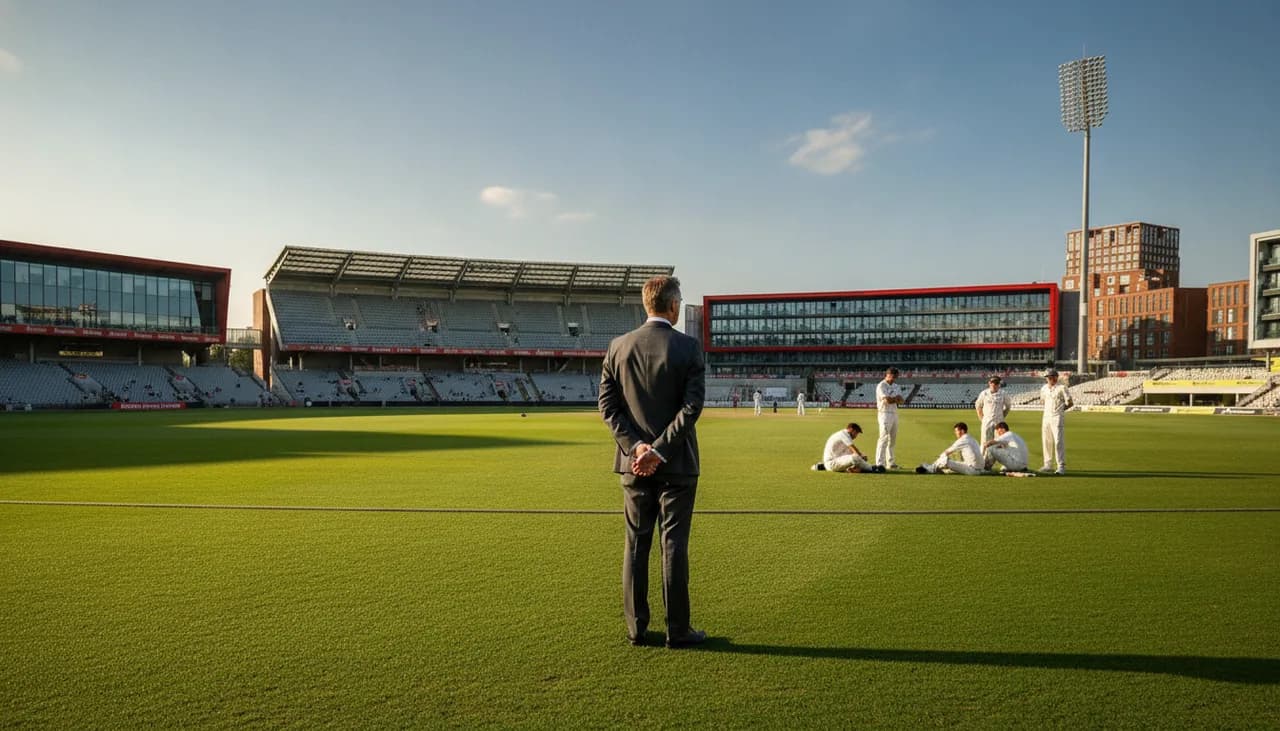

BRISTOL, UK — Gloucestershire Cricket has declared a “seminal moment” in its storied 154-year history, announcing the club is now completely debt-free following a transformative financial windfall from the sale of teams in The Hundred competition. The injection of capital, understood to be in the region of several million pounds, has eradicated the club's remaining debt and secured its financial future, paving the way for ambitious new investments in its infrastructure and playing squad.
A Legacy of Financial Strain Lifted
For years, like many county cricket clubs, Gloucestershire has navigated the challenging financial landscape of professional sport. The historic club, a founding member of the County Championship in 1890, has long balanced its proud on-field traditions with the economic realities of maintaining its iconic Seat Unique Stadium in Bristol. The burden of debt, accumulated over time for necessary ground improvements and operational costs, had been a constant concern for the board, limiting its ability to invest freely in the long-term future of the club. The financial pressures were exacerbated by the COVID-19 pandemic, which saw matchday revenue—a vital income stream—evaporate for extended periods.
The club's chairman, David Jones, articulated the profound significance of this development in an official statement. “This is a seminal moment for Gloucestershire Cricket,” he said. “To be able to say we are a debt-free club is a testament to the hard work of many people over a number of years and, most importantly, provides a stable and secure platform from which we can now build. For the first time in a generation, we can plan for the future with genuine financial confidence and ambition.”
The Hundred: A Controversial Saviour
The source of this financial liberation is The Hundred, the England and Wales Cricket Board's (ECB) much-debated short-form competition. Gloucestershire, as a host venue for the Oval Invincibles, did not originally own a team in the tournament. However, the ECB's recent decision to sell equity stakes in the eight franchises presented a golden opportunity. The club agreed to relinquish its hosting rights for the Invincibles, facilitating a sale that generated a multi-million pound sum directly to the club's coffers.
This move represents a fascinating twist in the narrative surrounding The Hundred. The competition has been a point of contention within the English domestic game, with critics arguing it sidelines the traditional counties. Yet, for Gloucestershire, it has proven to be an unparalleled financial boon. Chief Executive Officer, Will Brown, acknowledged the dual nature of the decision, emphasizing that the long-term security of the club was the paramount consideration. “The funds from this transaction have allowed us to completely clear our debt,” Brown confirmed. “This was a strategic decision taken with the long-term future of Gloucestershire Cricket at its heart. It gives us a once-in-a-generation chance to reset our financial model.”
Blueprint for a Brighter Future
With the shackles of debt removed, the club has immediately outlined a series of strategic priorities for investment. The immediate focus will be on enhancing the fan experience and generating new revenue streams at the Seat Unique Stadium. The newfound financial freedom allows the club to pursue projects that were previously unfeasible. Key areas of investment identified by the board include:
- Major upgrades to hospitality and conferencing facilities to drive commercial income.
- Improvements to spectator amenities, including seating, concourses, and food and beverage offerings.
- Investment in community engagement programs and the club's renowned youth academy pathway.
- Providing increased backing for the men's and women's playing staff to build more competitive squads.
Brown elaborated on this vision, stating, “Our planning for this new era is already well underway. We are not just about clearing debt; we are about building a sustainable and successful cricket club for the next 150 years. This means investing in our stadium, our teams, and our community. We want to create a destination for cricket in the South West that our members and supporters are proud of, and that attracts the best talent.” The club has also confirmed that a portion of the funds will be placed into a reserve to safeguard against future economic uncertainties.
On-Field Ambitions Reinforced
A critical component of the new strategy is strengthening the club's cricketing operations. The financial stability allows for a more aggressive approach in the player market, both in terms of attracting established talent and securing the services of promising homegrown players. The men's team, under the leadership of Head Coach Mark Alleyne, will now have a firmer foundation upon which to challenge for trophies across all formats. Similarly, the women's regional team, the Western Storm—a partnership Gloucestershire is deeply involved with—is also set to benefit from the club's improved financial health, potentially leading to greater investment in professional contracts and facilities for the women's game.
The announcement has been met with widespread enthusiasm from the club's loyal membership and supporter base. For a group that has witnessed periods of both cricketing glory and financial anxiety, the news represents a watershed. Many see it as a vindication of the board's strategic patience and a reward for their own steadfast support through leaner times. The mood around the Nevil Road ground is one of unbridled optimism, a feeling that the club is on the cusp of a new and prosperous chapter.
A New Model for County Cricket?
Gloucestershire's successful debt elimination is likely to be watched closely by other counties. It demonstrates a viable, if controversial, path to financial solvency in an era where the economic model of county cricket is perpetually under scrutiny. While not every club will have the same asset (hosting rights for a Hundred team) to leverage, Gloucestershire's story highlights the critical importance of strategic financial management and the willingness to make bold decisions for long-term gain. It raises a compelling question for the wider game: can the commercial power of The Hundred be harnessed to underpin the traditional county structure it was once seen to threaten?
As the dust settles on this landmark announcement, the focus at Gloucestershire Cricket has irrevocably shifted. The conversation is no longer about managing liabilities, but about realizing potential. The club, steeped in history and now freed from its financial constraints, stands poised to build a legacy for future generations. The “seminal moment” is not just an end, but a very promising beginning.