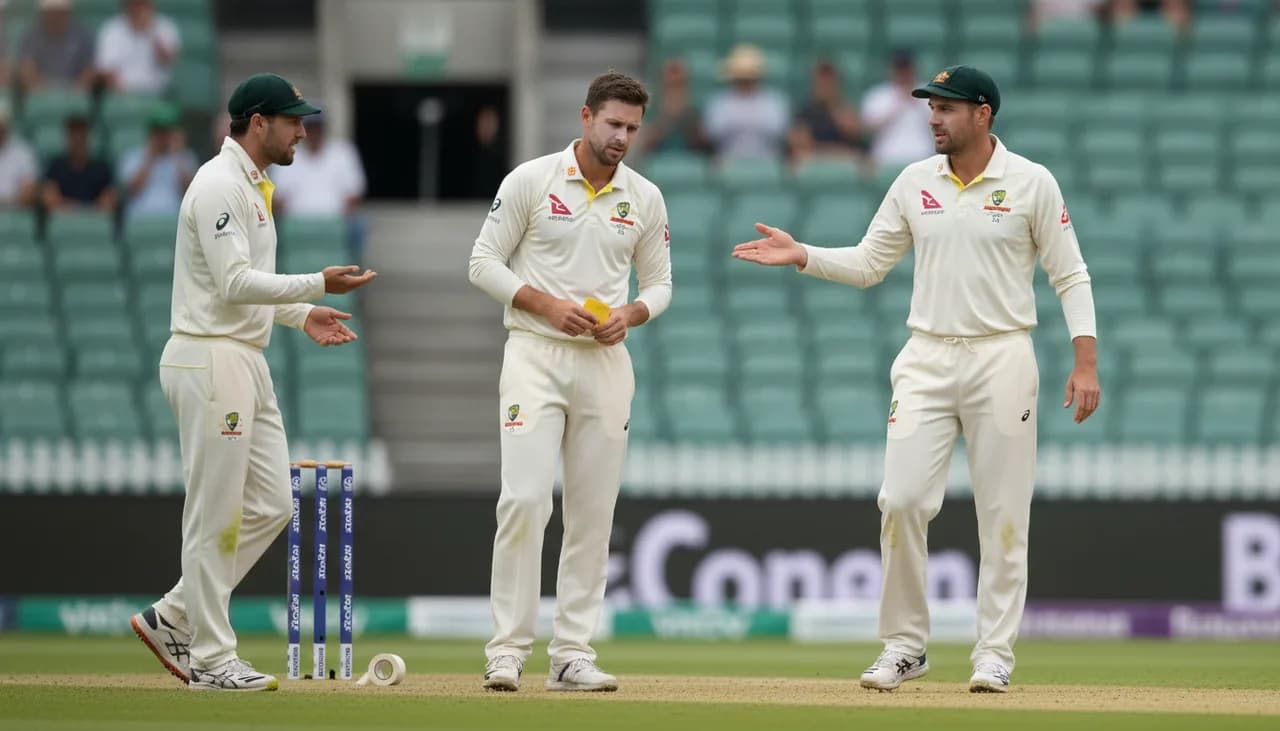
LONDON — As England stare down the barrel of a daunting Ashes series deficit, the focus has shifted from established stars to a potential new linchpin. Former England wicketkeeper Matt Prior has declared that young gloveman Jamie Smith must not only embrace his role but become the "heartbeat" of the team if the tourists are to mount an improbable comeback from 2-0 down.
Smith, the 23-year-old Surrey wicketkeeper-batter, was the most eye-catching selection in England’s squad for the tour of Australia, chosen ahead of the more experienced Jonny Bairstow and Ben Foakes. The decision was framed as a bold, future-focused move, banking on Smith’s explosive batting to bolster a middle order that has shown fragility. However, with the series on the line, Prior insists the role has evolved from a promising debut to a central, defining one.
The Weight of the Wicketkeeping Gloves
The history of English wicketkeepers in Australia is a tapestry of triumph and trauma. From Matt Prior’s own pugnacious contributions in the 2010-11 winning campaign to the struggles of others under the relentless Australian sun, the role carries a unique psychological and physical burden. Prior believes Smith’s challenge is twofold: to secure the position with the bat while managing the immense pressure of keeping on unforgiving Australian pitches against a rampant home side.
"It’s not just about coming in and playing your shots," Prior told BBC Sport. "He’s been picked as the number seven, the wicketkeeper, the engine room. He has to be the heartbeat of this team. He has to relish that fight, that battle. It’s about standing up when the team needs you most, whether that’s with a counter-attacking fifty or a gritty, match-saving knock."
The call for Smith to become the "heartbeat" is a significant one. In cricket parlance, it refers to the player who sets the tempo, provides the resilience, and connects the innings—often from a pivotal position like number seven. For Prior, this means Smith must be the catalyst for recovery when early wickets fall and the stable force when building a declaration.
A Baptism of Fire and the Foakes Conundrum
Smith’s selection was controversial precisely because it bypassed Ben Foakes, widely regarded as the best pure wicketkeeper in the world. The rationale from coach Brendon McCullum and captain Ben Stokes was clear: they wanted a higher ceiling with the bat. Smith averages over 50 in the County Championship over the past two seasons and possesses a fluid, attacking game seen as ideal for the ‘Bazball’ ethos.
However, Prior, who himself balanced batting and keeping at the highest level, acknowledges the gamble. "It’s a huge ask," he said. "You’re asking a young man to come into the cauldron of an Ashes series in Australia, keep wicket to a world-class attack on fast, bouncy tracks, and then score vital runs. It’s the ultimate test of character."
The early signs have been mixed. Smith looked composed in his first-innings 32 at Lord’s in the second Test, showing a sound technique against pace, but was dismissed playing an aggressive shot in the second innings with the game in the balance. His keeping has been tidy, though he has yet to be truly tested by the Australian bowlers’ relentless line outside off-stump to England’s left-handers.
The Path to Recovery: Smith’s Pivotal Role
With the series moving to iconic Australian grounds where England have historically struggled, the onus on the middle and lower order will intensify. Prior outlined the specific areas where Smith must excel to become the heartbeat England desperately need:
- Building Partnerships: Stemming collapses with the tail and farming the strike effectively.
- Tempo Management: Knowing when to attack Nathan Lyon and when to defend, shifting momentum.
- Mental Fortitude: Overcoming the unique pressure of an Ashes debut in a losing cause.
- Keeping Standards: Ensuring no chances are missed to maintain pressure on Australia.
"This is where he earns his stripes," Prior emphasized. "It’s easy to play when you’re 400-4. He needs to be up for the fight at 150-5. That’s when you see the character of a player. Australia will come at him hard; they’ll see him as a new, potentially vulnerable point in the order. He has to stare back and say, ‘This is my stage.’"
Historical Precedent and Future Legacy
The narrative of a young player defining an Ashes series is a powerful one in cricket folklore. Prior himself played a key role in England’s historic 2010-11 win down under. He sees parallels in the opportunity presented to Smith, albeit under vastly different circumstances. A match-defining performance from the youngster could not only turn a Test but cement his place for a generation.
The broader context is the future of England’s Test team. Smith’s selection was a clear line in the sand, moving away from the Foakes-Bairstow debate. A successful series for Smith would validate the selectors’ aggressive, forward-thinking policy. A struggle, however, would inevitably lead to intense scrutiny and calls for a return to the old guard, potentially destabilizing the long-term project under McCullum and Stokes.
"This is more than just about these next three Tests," Prior concluded. "This is about Jamie Smith announcing himself as England’s wicketkeeper for the next decade. To do that from a position of 2-0 down in an Ashes? That’s the stuff of legend. But first, he has to want to be that heartbeat. He has to crave that responsibility. The fight starts with his own mindset."
Conclusion: The Heartbeat Must Beat
As England regroup, the message from those who have walked the path is clear. Jamie Smith’s technical skill and talent have gotten him to the dance, but the next step requires an intangible quality. The tourists need a pulse, a source of energy and resilience from the middle order. Matt Prior’s rallying cry is a public articulation of a private demand within the England setup: for Smith to transition from a promising newcomer to the indispensable core around which a historic fightback can be built. The Ashes may be on the line, but for Smith, the audition for a defining career starts now.