NAYA RAIPUR — In a breathtaking display of power-hitting and unshakeable nerve, South Africa authored one of the greatest chapters in the history of One-Day International cricket, chasing down a mammoth 359 to defeat India by four wickets at the Shaheed Veer Narayan Singh International Stadium. This monumental victory, sealed with two balls to spare, tied the record for the highest successful ODI chase ever achieved on Indian soil.
The foundation for this epic was laid by a masterful Indian innings, spearheaded by captain Virat Kohli's majestic 49th ODI century. His unbeaten 113, a blend of classical grace and calculated aggression, anchored India's imposing total of 358 for 4. He was ably supported by a fluent 74 from opener Ruturaj Gaikwad and a blistering late cameo from Sanju Samson, who smashed 58 off just 38 balls.
The Proteas' Daunting Task
Facing a required rate north of seven runs per over from the outset, South Africa's chase began shakily with the early loss of Quinton de Kock. However, what followed was a stunning exhibition of controlled carnage. Reeza Hendricks (85 off 75) and skipper Aiden Markram (79 off 75) constructed a magnificent 184-run partnership for the third wicket, dismantling the Indian attack with a combination of elegant drives and powerful pulls.
Markram, in particular, was in sublime touch, his innings a statement of authority. Reflecting on the partnership's importance, he later said, "The partnership with Reeza was crucial. We knew we had to keep the rate in check and target one bowler. The wicket was fantastic, and we backed ourselves to take it deep."
Miller and Klaasen Seal the Deal
Just as India hoped to apply pressure after breaking the stand, the experienced duo of Heinrich Klaasen and David Miller walked in. What ensued was a calculated assault that broke the back of the chase. Klaasen, with a ferocious 63 off 27 balls, targeted the spinners with brutal efficiency, while Miller provided the perfect foil with a composed, unbeaten 58 from 44 deliveries.
The key phase of the match came in the final 10 overs, with South Africa needing 83. The pair displayed remarkable clarity and power, with Miller's calm under pressure proving invaluable. He later explained their mindset, stating, "We just broke it down into small targets. Klaasen's knock was incredible and changed the momentum. My role was to stay till the end and finish it."
A Record-Equalling Feat
The successful chase of 359 drew South Africa level with the record for the highest-ever ODI run-chase in India, matching the 359/6 scored by Australia in Mohali in 2019. This achievement underscored several key factors in the modern ODI game:
- Flat Pitches & Two New Balls: Batting-friendly conditions and hard balls that come onto the bat have tilted the balance towards batters.
- Fearless Mindset: Teams no longer see 350-plus totals as insurmountable, approaching chases with a T20-inspired aggression.
- Depth in Batting: The presence of power-hitters like Miller and Klaasen down the order allows teams to attack throughout.
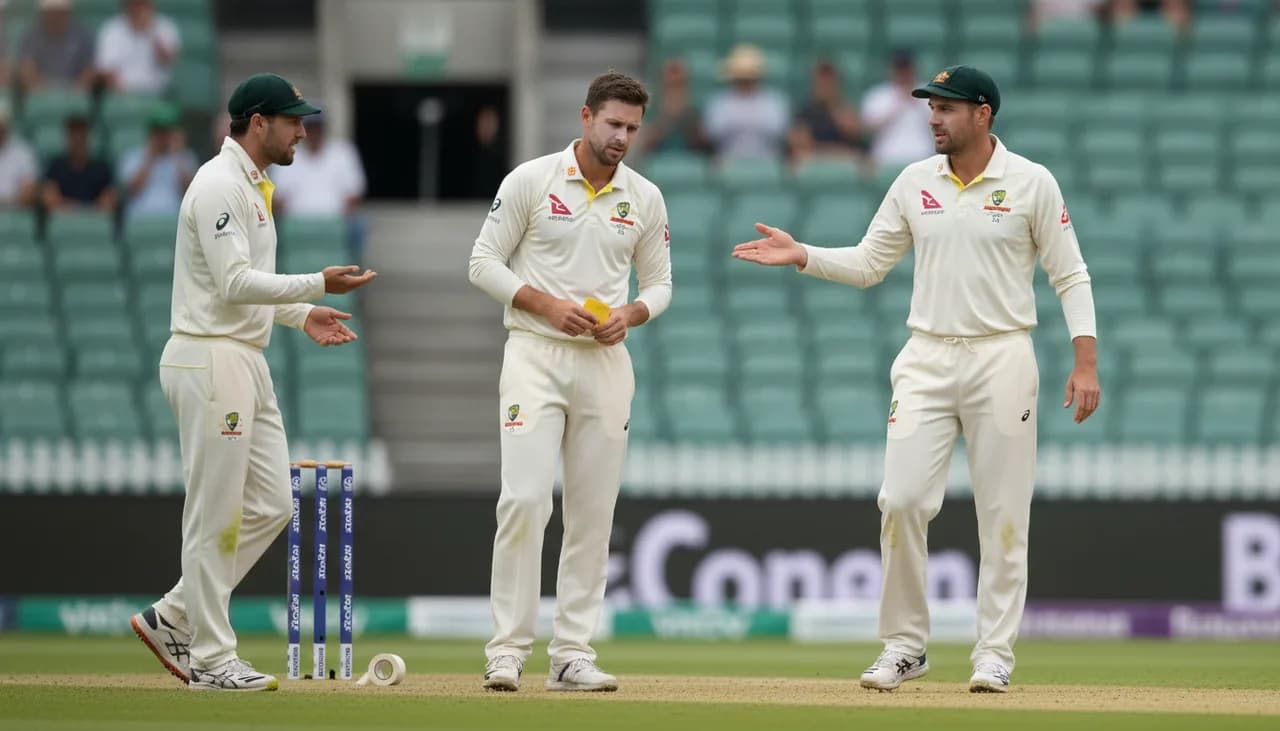
For India, the defeat was a tough lesson in defending a total, even a substantial one. Their bowling lacked penetration in the middle overs, and the death bowling, barring a tight over from Mohammed Siraj, was expensive. Captain Kohli acknowledged the challenge, noting, "It was a good pitch, and they batted brilliantly. We needed to hit our areas better, but sometimes you have to give credit to the opposition."
A Statement of Intent
Beyond the record books, this victory served as a massive statement of intent from a South African side often criticized for faltering in high-pressure chases. It showcased a new, resilient identity under Markram's leadership. The win was built not on reckless slogging, but on a series of structured, high-quality partnerships that absorbed pressure before exploding at the perfect moment.
The match also highlighted the evolving narrative of ODI cricket, where par scores are constantly being redefined. A total that would have been considered a certain victory a decade ago is now merely a competitive one, demanding excellence with the ball and in the field for all 50 overs.
In conclusion, the first ODI in Naya Raipur was not just a match; it was a spectacle that encapsulated the modern ODI ethos. South Africa's historic chase, built on the pillars of magnificent centuries from Kohli and a collective batting masterclass from the Proteas, will be remembered as one of the format's all-time classics. It was a night where records were equalled, narratives were challenged, and the sheer, thrilling unpredictability of cricket was on full, glorious display.