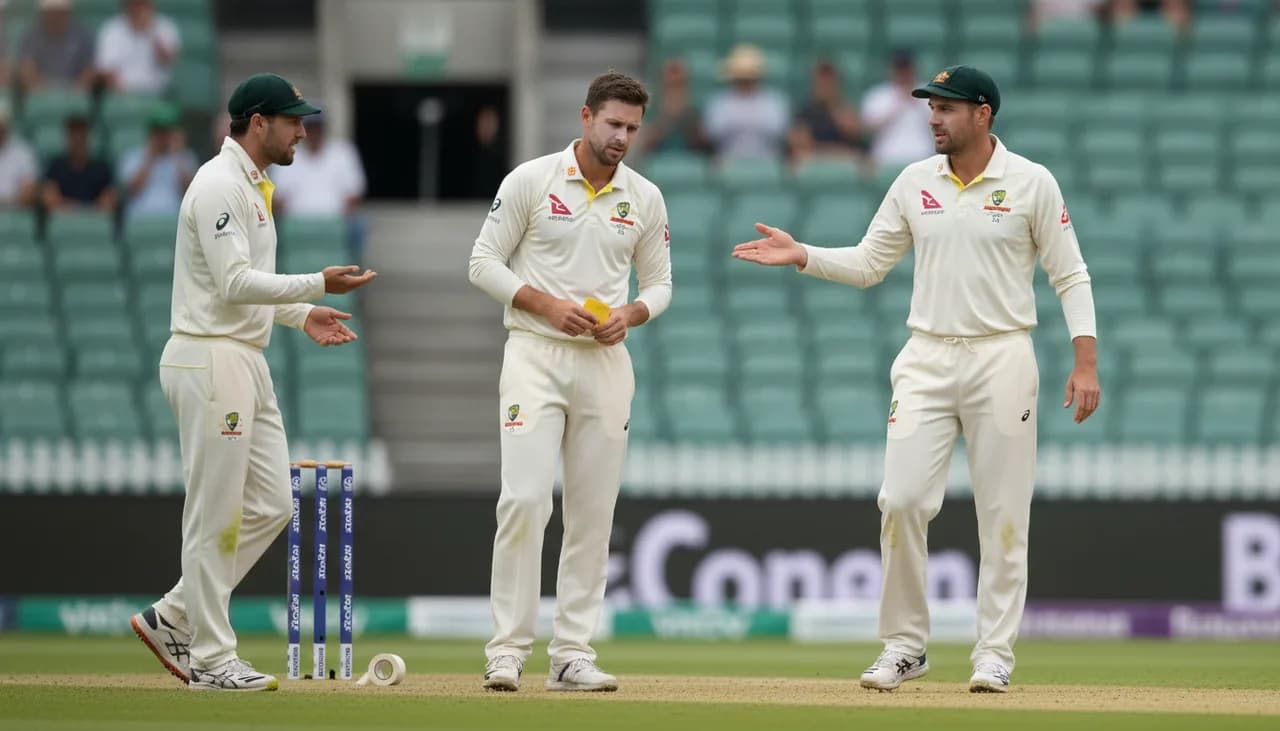
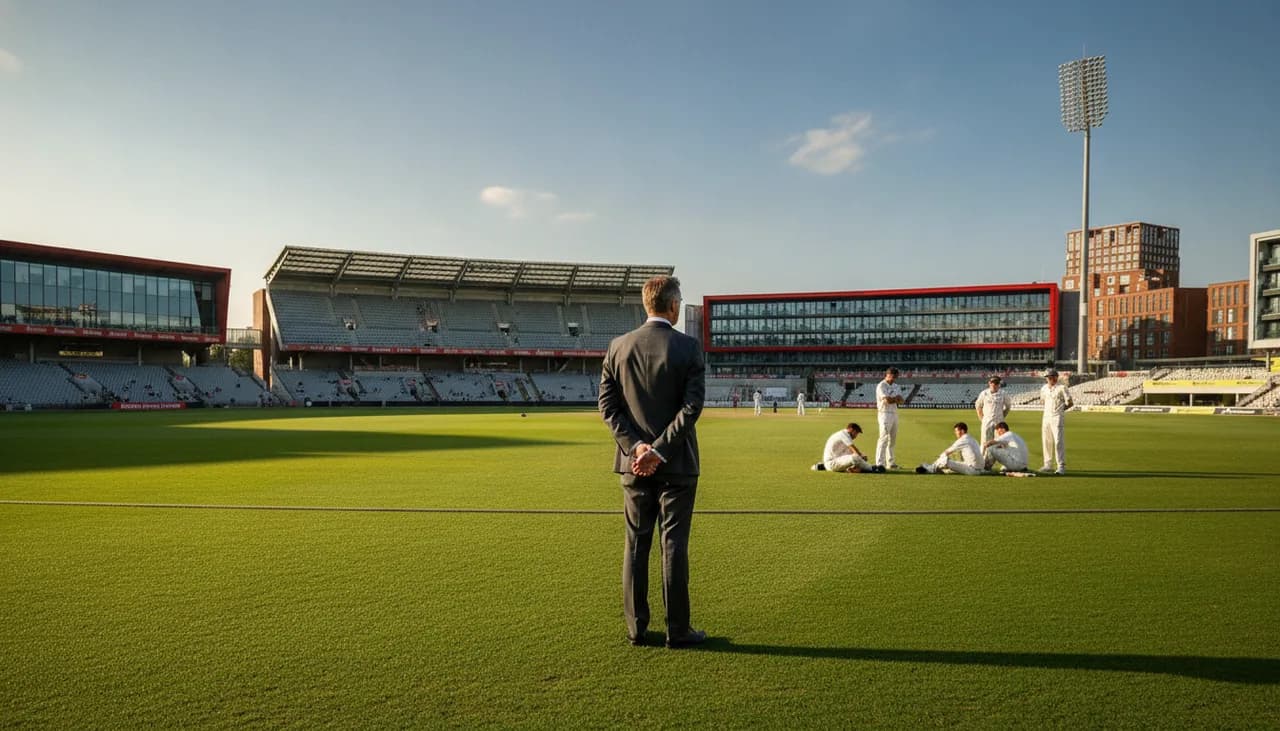
COLOMBO — The 2024 T20 World Cup, co-hosted by the United States and the West Indies, has been plunged into a fresh geopolitical and logistical crisis. Co-hosts Sri Lanka have made a formal request to the Pakistan Cricket Board (PCB) to reconsider its refusal to play its high-profile group match against arch-rivals India in Colombo, Sri Lanka. The request comes amid a tense standoff that threatens to disrupt the tournament's schedule and inflame regional sporting tensions.
The Heart of the Dispute: Security and Scheduling
The controversy stems from the International Cricket Council's (ICC) initial draft schedule, which placed the marquee India-Pakistan clash in Colombo on September 21. The PCB, however, has categorically rejected this venue, citing significant security concerns. These concerns are not unfounded; the match coincides with the ongoing Navaratri festival period in India, a time of heightened regional sensitivities. More pointedly, the PCB has referenced specific, undisclosed intelligence reports suggesting potential security threats directed at the Pakistani team in the Sri Lankan capital.
In a strongly-worded letter to the ICC, PCB Chairman Mohsin Naqvi stated, "The safety and security of our players and officials is non-negotiable. We have received advice that playing in Colombo on that particular date presents a risk profile we are not prepared to accept. Our position is firm and based on professional threat assessments." The PCB has proposed alternative venues, with Hambantota in Sri Lanka and even Dubai in the UAE being floated as potential replacements.
Sri Lanka's Diplomatic Counter-Pitch
In response, Sri Lanka Cricket (SLC) has mounted a vigorous diplomatic campaign to assuage Pakistan's fears and retain the lucrative match. SLC officials have held emergency meetings with their Pakistani counterparts, presenting enhanced security blueprints drafted in consultation with Sri Lankan state security forces. They have emphasized Colombo's long and successful history of hosting high-risk international events without incident.
A senior SLC official, speaking on condition of anonymity, told reporters, "We understand Pakistan's concerns, but we believe they are based on a perception that does not match the ground reality. Colombo is one of the safest cricketing capitals in the world. We are prepared to implement a security cordon unprecedented for a sporting event here, akin to a head-of-state visit." The official further hinted at significant financial repercussions for SLC if the match is moved, given the massive tourism and broadcasting revenue tied to hosting a match of such magnitude.
The Stakes for Sri Lanka Cricket
For Sri Lanka, the issue transcends a single match. As a co-host striving to showcase its capabilities and revitalize its cricket economy post-pandemic, losing a marquee fixture is a severe blow. The economic incentives are substantial:
- Tourism Boost: Thousands of Indian and Pakistani fans are expected to travel, filling hotels and boosting local businesses.
- Broadcasting Rights: The India-Pakistan match commands the highest viewership and advertising rates, with host nation shares being critically important.
- Prestige: Successfully hosting the tournament's most volatile match would reaffirm Sri Lanka's status as a reliable and capable major event host.
SLC's request to Pakistan is thus framed not just as a logistical appeal, but as an appeal to regional cricketing solidarity. They argue that moving the match sets a problematic precedent and undermines the co-hosting agreement.
ICC in a Bind: Diplomacy vs. Directive
The International Cricket Council now finds itself in a familiar yet uncomfortable position, acting as mediator between two of its most powerful and politically sensitive members. The ICC's Event Technical Committee is reviewing the security plans from Sri Lanka and the threat assessments cited by Pakistan. While the ICC's default position is to support the host nation's security assurances, it cannot force a member board to play in a venue where it feels unsafe.
An ICC spokesperson stated, "The safety and security of all participants at ICC events is our paramount priority. We are in continuous dialogue with both Sri Lanka Cricket and the Pakistan Cricket Board to find a resolution that satisfies all parties and ensures the smooth delivery of the event." The clock is ticking, with the tournament start date in June drawing closer and the need for a finalized schedule becoming urgent.
Potential compromise solutions being discussed behind closed doors include:
- Formally shifting the match to Hambantota's Mahinda Rajapaksa International Cricket Stadium, a venue more isolated and arguably easier to secure than Colombo's R. Premadasa Stadium.
- Adjusting the match date by a day or two to move it away from the specific festival date of concern.
- A hybrid model where Pakistan plays its other Group A matches in Colombo but the India match is held at an alternate venue.
Each option carries its own complications, from broadcast logistics and fan travel to the perceived slight of rejecting Colombo's primary venue.
The Broader Context: A Fraught Cricketing Relationship
This dispute cannot be divorced from the long and fractured cricketing relationship between India and Pakistan. Since the 2008 Mumbai attacks, bilateral series between the two nations have been suspended. They now only meet in ICC or continental events, making every World Cup clash a global spectacle laden with political significance. The venue for these matches often becomes a proxy for broader diplomatic currents.
Pakistan's reluctance also follows recent precedent. During the 2023 Asia Cup, the PCB had initially resisted playing its matches in Sri Lanka, insisting on a hybrid model after India refused to tour Pakistan. That tournament was ultimately split between Pakistan and Sri Lanka. The current standoff suggests Pakistan is adopting an increasingly assertive stance in venue negotiations for its matches involving India, prioritizing security assurances over traditional hosting rights.
Cricket analysts note that Pakistan's firm stance may also be influenced by internal political pressures. With the PCB under new leadership, taking a strong, public stand on player safety is seen as both a prudent and popular domestic move. As former Pakistani fast bowler and commentator Waqar Younis noted on social media, "When it comes to security, there can be no compromise. The board is right to put its foot down."
Conclusion: A Test of Cricket's Unity
Sri Lanka's request for Pakistan to "re-think" its refusal is more than a logistical appeal; it is a test of the fragile unity that allows global cricket events to function. The outcome will set a significant precedent for how host nations' authority is balanced against touring teams' security perceptions in an increasingly complex world.
The coming days will reveal whether behind-the-scenes diplomacy, enhanced security guarantees, and the sheer commercial weight of the fixture can persuade Pakistan to alter its course. If not, the ICC will be forced to make a Solomon-like decision that will inevitably leave one party dissatisfied. The hope within the cricketing community is that the spirit of the game, and the shared desire of millions of fans to witness this iconic rivalry, will ultimately guide both boards toward a safe and viable solution. The world is watching, hoping the pitch for this clash is decided by sport, not strife.