SYDNEY — England captain Ben Stokes suffered a significant injury scare on the fourth day of the final Ashes Test at the Sydney Cricket Ground, leaving the field with a right adductor strain that casts a shadow over his immediate playing future and the remainder of the match. The all-rounder, who has shouldered a colossal physical burden throughout the series, pulled up sharply while bowling his 14th over of the Australian second innings, immediately clutching at his right side before walking off with the team physiotherapist.
The sight of Stokes, the indefatigable heart of the England team, limping from the field sent a wave of concern through the England camp and among spectators. Having bowled a mammoth 29 overs in the first innings and played a typically combative 33-run knock with the bat, the strain on his body was palpable. His departure left England a bowler short as they desperately tried to bowl Australia out and force a series-levelling victory in the fifth and final Test.
The Moment of Concern
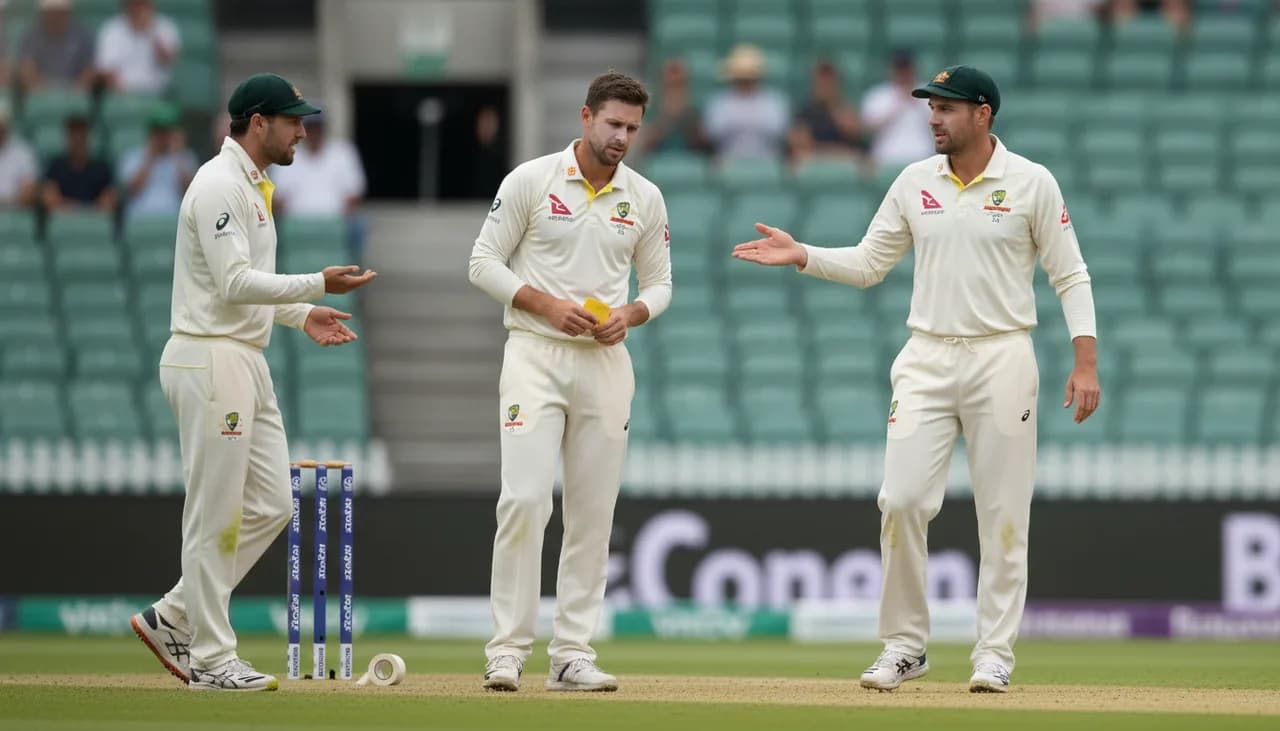
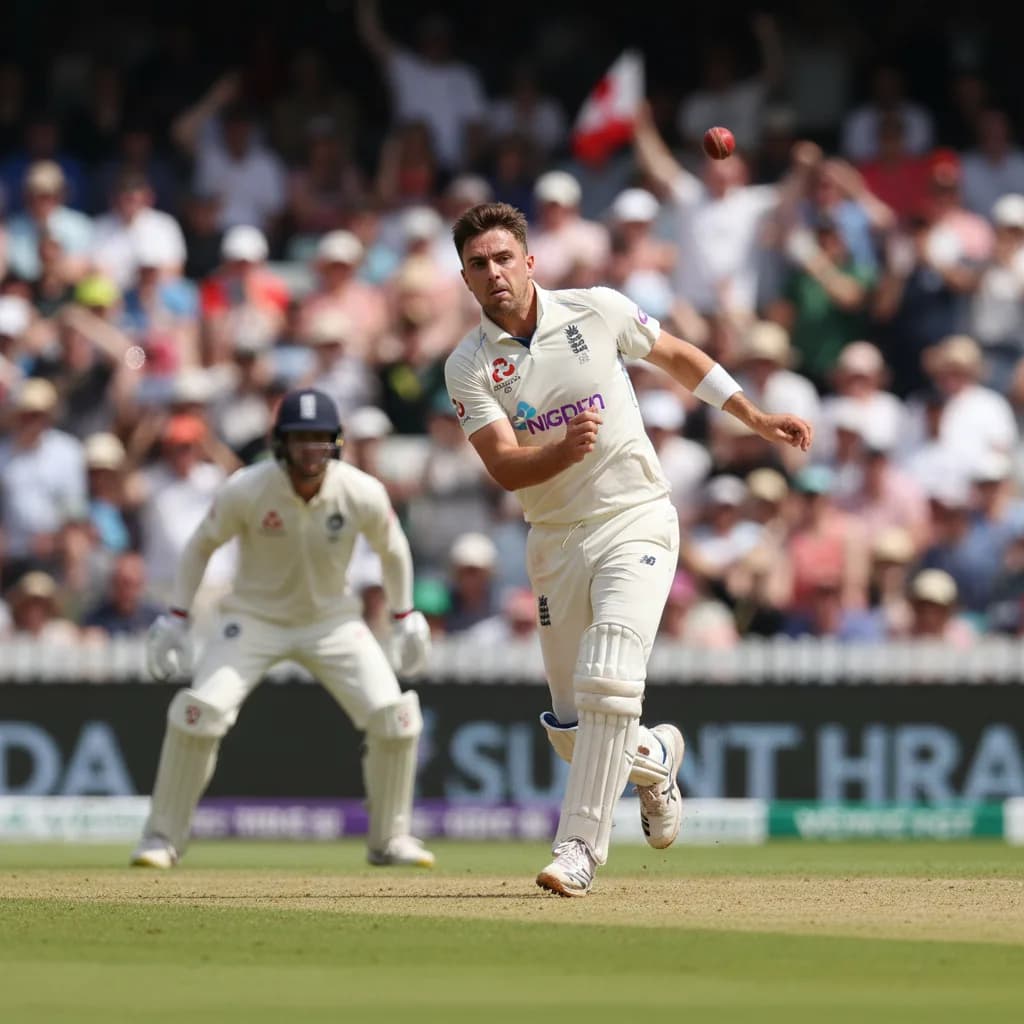
The injury occurred in the 86th over of Australia’s innings. Stokes, who had been bowling with noticeable discomfort for a few overs prior, delivered a ball to Australian batsman Cameron Green and immediately stopped in his follow-through. He took a few pained steps before crouching down, his hand pressed against his right groin and adductor region. After a brief consultation with captain Joe Root and the on-field umpires, he left the field, his head bowed in evident frustration.
England’s team management later confirmed the diagnosis. A team spokesperson stated, "Ben Stokes has left the field with a right-sided adductor strain. He will continue to be assessed by the medical team. At this stage, it is too early to determine his availability to bowl again in this match." The wording was cautious, leaving open the slim possibility of a return but acknowledging the serious nature of the strain.
Impact on England's Tactics
Stokes’s absence created an immediate tactical headache for captain Joe Root. With Stokes unavailable, the bowling load fell heavily on the veteran seamers James Anderson and Stuart Broad, and the tireless Mark Wood. Spinner Jack Leach was forced to bowl extended spells into a gentle breeze, a scenario Australia’s batsmen looked to capitalize on. The injury disrupted England’s plans to attack with short, aggressive spells from their key all-rounder.
Former England captain Michael Vaughan, commentating for the BBC, summed up the moment’s significance: "This is a massive blow for England, not just for the remainder of this Test but looking ahead. Stokes is the one player they cannot afford to lose. His ability to change a game with ball or bat is irreplaceable, and his spirit is the engine of this team."
The practical consequences for the England attack were immediate:
- Increased workload for the remaining frontline seamers, risking fatigue.
- Reduced flexibility in bowling changes and defensive field settings.
- Loss of a crucial partnership-breaking option with the old ball.
- A significant dent in the team's morale and fighting presence on the field.
A Series Defined by Strain
The injury is a grimly fitting culmination of a series where Stokes’s physical limits have been tested like never before. Having taken a mental health break and undergone a second surgery on his left index finger in 2021, he returned to the Test arena as captain with the aim of revitalizing England’s red-ball cricket. However, the demands of leading the side, batting in the top six, and bowling crucial overs as a fourth seamer have taken a visible toll.
Throughout the Ashes, he has managed a chronic left knee issue that has visibly hampered his mobility at times. Despite this, he has consistently pushed through the pain barrier, embodying the resilient, never-say-die attitude he demands of his team. This latest injury, however, to a different part of his body, highlights the unsustainable physical burden placed upon him.
Writing in his column for The Mirror, cricket correspondent Dean Wilson noted, "The sight of Stokes breaking down was heartbreaking but, in some ways, inevitable. He has been running on fumes and pure willpower for weeks. The ECB and the England setup have a duty of care to their most precious asset, and questions will rightly be asked about the management of his workload."
Looking Beyond the SCG
The immediate concern is the final day in Sydney, but the implications stretch far further. England’s next Test assignment is a three-match tour of the Caribbean in March. A significant adductor strain typically requires a recovery period of several weeks, potentially putting that tour in serious doubt for Stokes. Furthermore, as the newly appointed captain across all formats, his fitness is paramount to England’s plans for the 2022 T20 World Cup and the rebuilding of their Test side.
The injury also reignites the long-standing debate about whether Ben Stokes, now 30, can continue in his role as a genuine all-rounder. Former Australian fast bowler Brett Lee commented on Fox Cricket, "He gives 110% every time, but the body can only take so much. He might have to think about being a batting captain who bowls a little, rather than a frontline option."
Conclusion: A Captain's Pain
As stumps were drawn on day four, with Australia’s position strengthened and England’s victory hopes fading, the dominant narrative was one of concern for the England skipper. Ben Stokes’s injury is more than a muscular strain; it is a symbol of the immense physical price paid by modern all-rounders in an increasingly congested calendar. His determination to lead from the front has been both inspirational and, ultimately, physically costly.
The final day at the SCG will now be played under the cloud of his absence. Whether England can conjure a miraculous victory without their spiritual leader remains to be seen. What is certain is that the management of Ben Stokes’s fitness will become the most critical issue for English cricket in the weeks and months ahead, as they balance their need for his transcendent talent with the imperative to protect their captain’s long-term health and career.