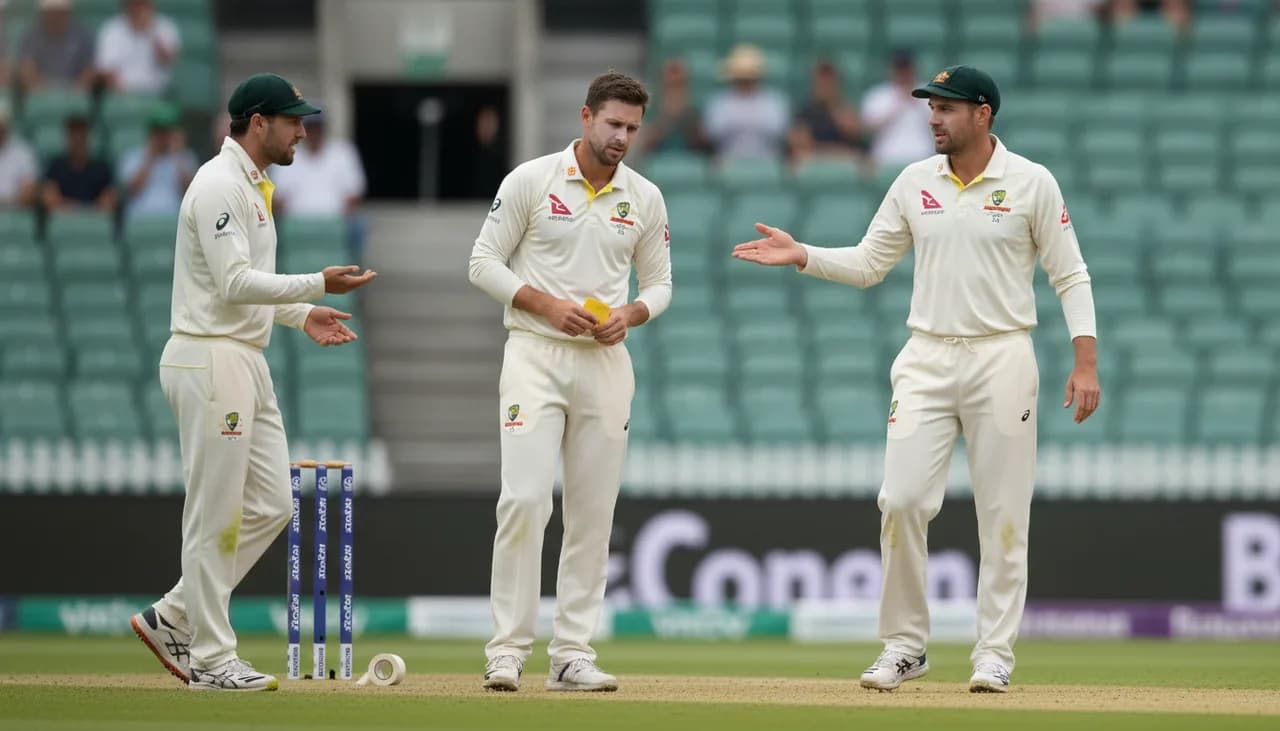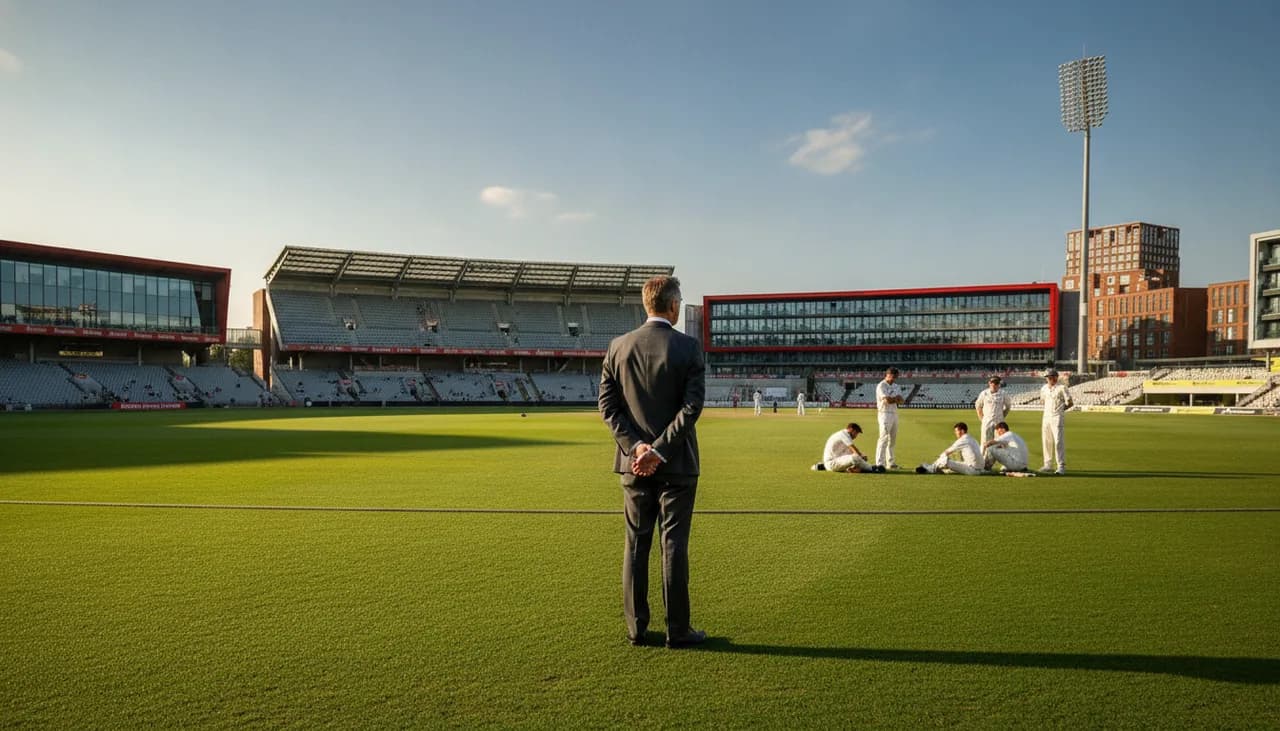

SWANSEA — The final chapter in a storied 137-year history was written as St Helen’s Cricket and Rugby Ground in Swansea hosted its last-ever first-class cricket match, a poignant County Championship farewell between Glamorgan and Sussex.
The ground, affectionately known as the ‘old lady’ of Welsh cricket, has been a hallowed turf for the sport since its first first-class match in 1884. Its closure marks the end of an era not just for Swansea, but for the global cricketing community, as one of the world's most iconic and picturesque venues bids a reluctant goodbye.
A Ground Steeped in History and Legend
St Helen’s is more than just a cricket ground; it is a living museum of the sport. Its reputation was forged by the legends who graced its crease. The list of players who have left their mark here reads like a who's who of cricketing greatness. From the unparalleled Sir Donald Bradman, who scored a century here for the Australians in 1930, to the destructive power of Sir Vivian Richards and the graceful artistry of Sir Garfield Sobers, the ground has witnessed batting of the highest order.
It was also a stage for bowling mastery. The great West Indian pace bowler, Wes Hall, terrorized batters from its ends, while the legendary spin of Shane Warne weaved its magic on a pitch that often offered turn and bounce. Glamorgan and Wales batsman Alan Jones, who played numerous matches at the ground, once remarked, "To walk out to bat at St Helen's was to walk in the footsteps of giants. You could feel the history."
The Unforgettable Moments and Records
St Helen’s is the scene of some of cricket's most enduring records and unforgettable feats. It was here in 1968 that Garry Sobers, playing for Nottinghamshire against Glamorgan, smashed Malcolm Nash for six sixes in a single over—a previously unimaginable achievement that cemented his status as the game's greatest all-rounder. The specific tree that one of those mighty blows disappeared into became part of cricketing folklore.
Another iconic moment belongs to England's Sir Ian Botham, who, in 1980, launched a colossal six that cleared the ground, smashed through a greenhouse on a nearby house, and landed in a garden. These moments of raw, explosive power are forever etched into the fabric of the ground's identity, tales passed down through generations of cricket fans.
The ground's unique character was defined by several key features:
- The Seafront Setting: Its proximity to Swansea Bay meant players often contended with a swirling breeze and the cries of seagulls overhead.
- The Famous Slope: A significant fall from one end of the ground to the other, creating a unique challenge for bowlers and fielders.
- The Intimate Atmosphere: Spectators were always close to the action, creating an electric and personal experience.
- The Rugby Posts: A constant reminder of its dual-purpose heritage, standing proudly within the boundary rope.
The Inevitable March of Progress
The decision to cease first-class cricket at St Helen's was driven by a combination of financial pressures and the modern requirements of the professional game. Maintaining a venue of its age to the standard demanded by first-class counties and the England and Wales Cricket Board (ECB) became increasingly unsustainable. The facilities, while rich in charm, could not compete with the modern amenities offered by purpose-built venues like Sophia Gardens in Cardiff.
Glamorgan Chief Executive, Hugh Morris, expressed the difficulty of the decision, stating, "St Helen's is a ground that is steeped in history and has provided Glamorgan members and supporters with many cherished memories over the years. Making the decision to no longer play first team matches there was an incredibly difficult one, but it is not financially viable for the club to continue to do so."
A Fitting and Emotional Farewell
The final match against Sussex was played in a spirit of celebration and nostalgia. Former Glamorgan players were in attendance, sharing stories with fans who had come to pay their respects. While Sussex ultimately won the match, the result felt almost secondary to the occasion itself—a chance for one last look at a beloved cricketing cathedral. The sound of leather on willow echoed with the weight of history one final time.
The sentiment was perfectly captured by veteran BBC Wales cricket correspondent, Edward Bevan, who said, "It's the end of an era. There is no ground like St Helen's anywhere in the world. Its charm, its quirks, its incredible history—it's irreplaceable. Cricket in Wales will never be quite the same again." The sight of players shaking hands and walking off the field for the last time was a moment of profound sadness for the purists of the game.
A Legacy That Will Endure
Though first-class cricket has departed, the legacy of St Helen's will endure. It will continue to host minor matches and its role as a home for Swansea RFC will carry on, ensuring the historic ground remains a vibrant part of the community. Furthermore, its place in the annals of cricketing history is unassailable. The stories of Bradman, Sobers, Richards, and Botham will continue to be told wherever cricket is played.
The ground served as a crucial bridge between the amateur and professional eras of the sport, a testament to a time when character and history were as important as luxury boxes and floodlights. It was a place where community and sport were intrinsically linked, where generations of families shared their love for the game.
As the sun sets on St Helen's as a first-class venue, it does so not as a defeat, but as a celebration of a magnificent innings. It bowled its last ball having given everything to the sport it loved, leaving behind a treasure trove of memories and a permanent, cherished spot in the heart of cricket. The ‘old lady’ may have taken her final curtain call, but her legend will forever be a part of Swansea’s soul and the rich tapestry of cricket.