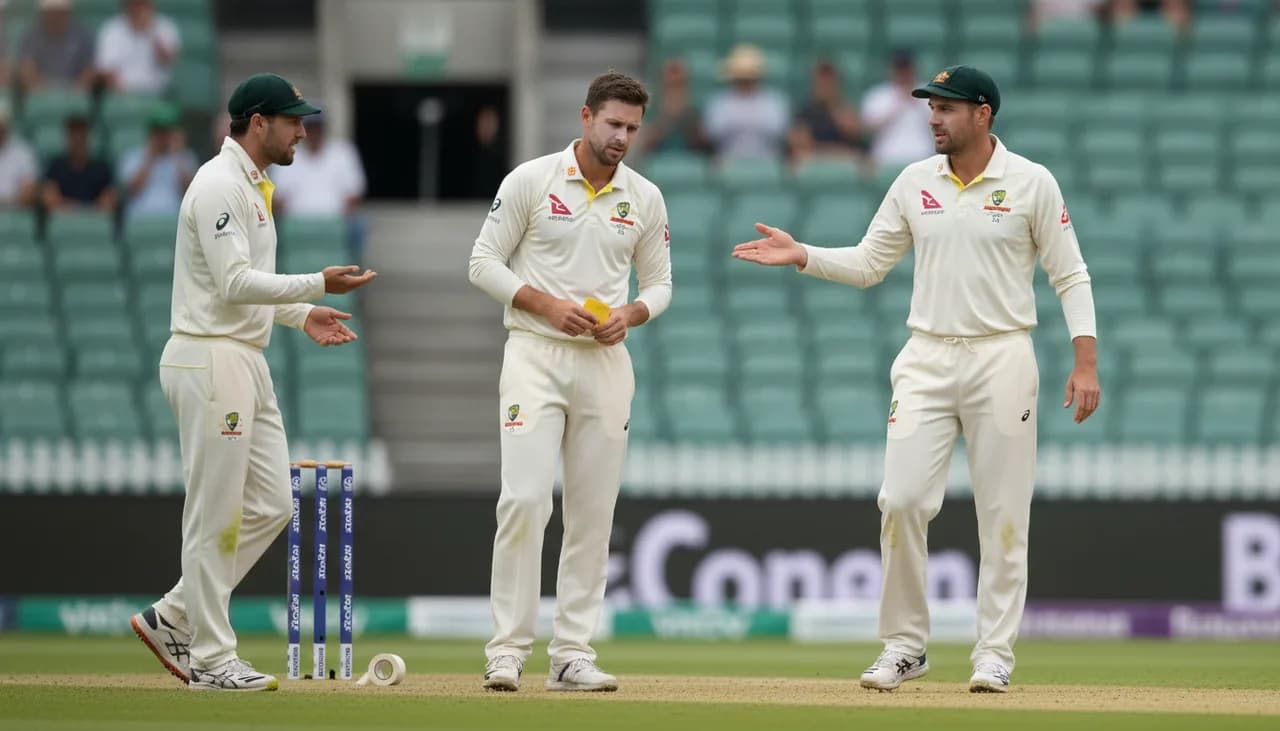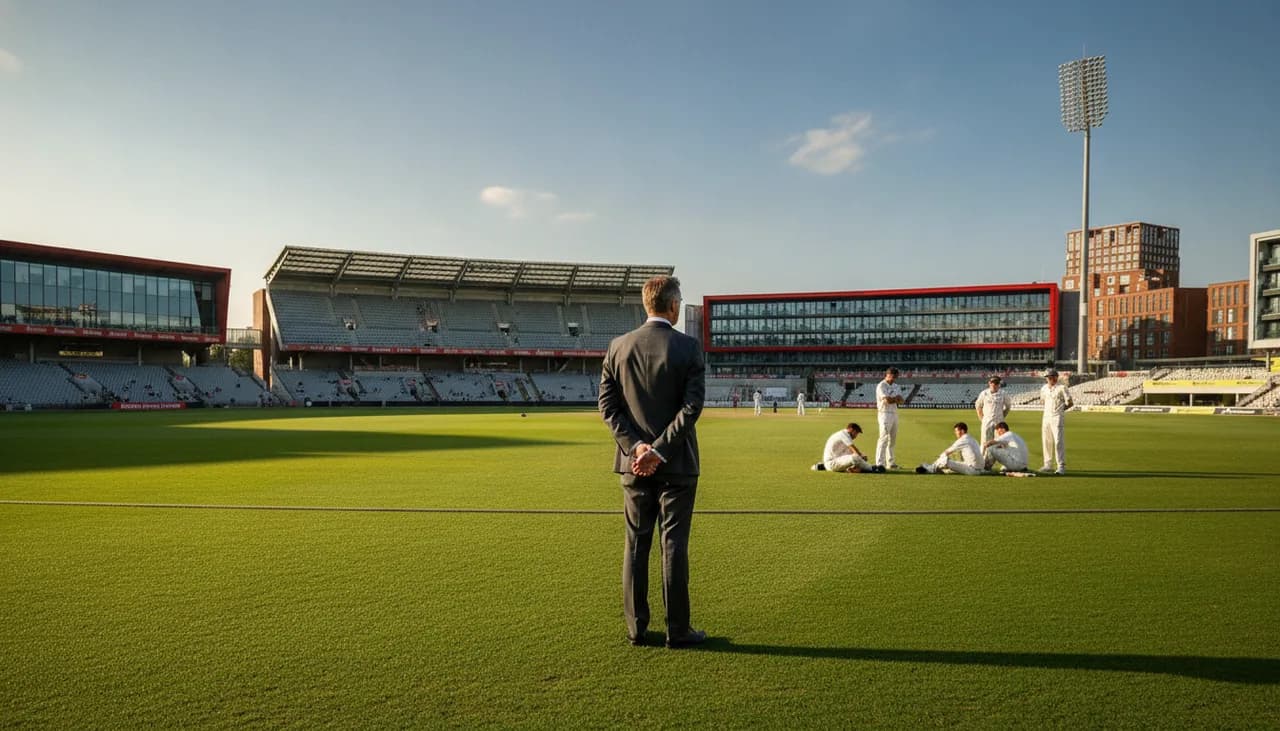
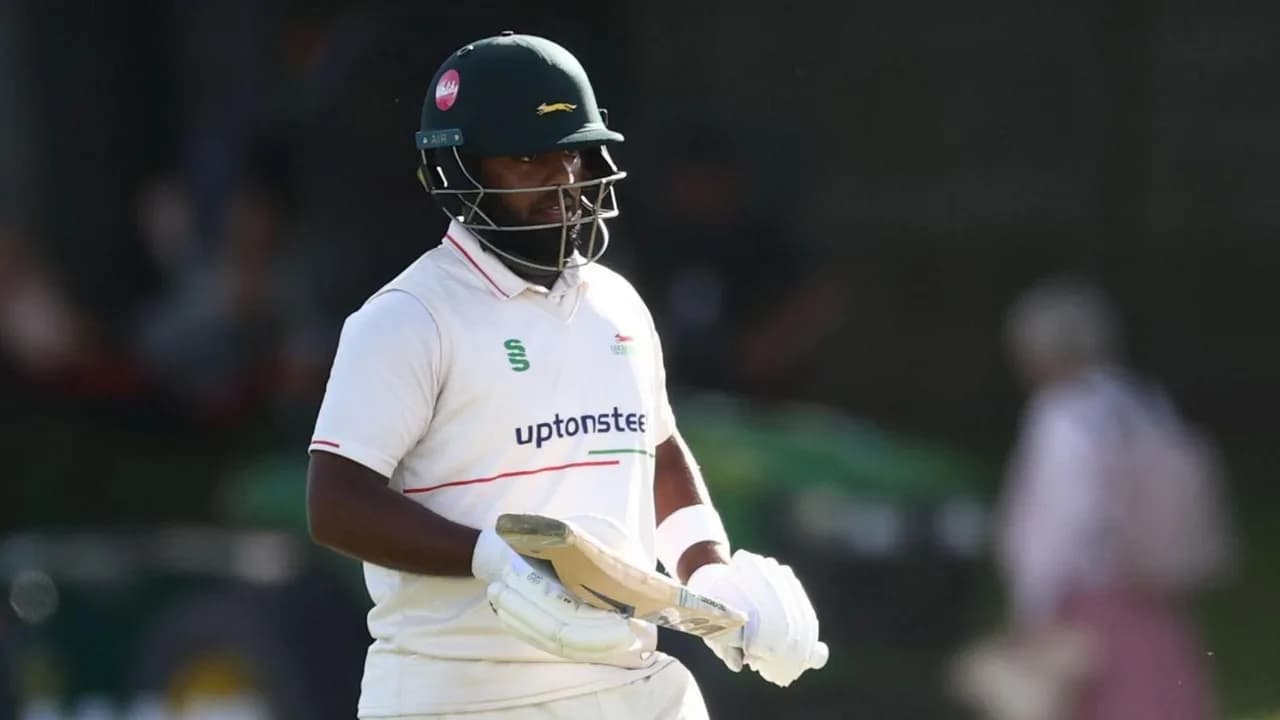
LONDON — The England and Wales Cricket Board (ECB) has announced a major revamp of the domestic white-ball calendar, with the Vitality Blast set for significant changes starting in 2026. The T20 competition, a staple of the English summer, will undergo a "slimmed-down" format as part of a broader restructuring aimed at improving player workload management and fan engagement.
Introduction: A New Era for the Blast
The ECB confirmed on Tuesday that the Vitality Blast, England’s premier domestic T20 tournament, will see a reduced schedule in 2026. The move comes as part of a wider shake-up of the domestic white-ball summer, which will also include adjustments to the One-Day Cup. The changes aim to address concerns over player fatigue, fixture congestion, and the need to maintain the tournament’s competitiveness amid a crowded global T20 calendar.
ECB Chief Executive Richard Gould stated, "The Vitality Blast remains a cornerstone of our domestic game, but we recognize the need to evolve. The 2026 revamp will ensure the tournament remains vibrant, competitive, and sustainable in the long term." The announcement follows months of consultation with counties, players, and broadcasters.
Key Changes to the Vitality Blast
The 2026 edition of the Vitality Blast will feature a condensed group stage, reducing the number of matches per team from 14 to 10. The knockout phase will remain unchanged, with quarter-finals, semi-finals, and a final at Edgbaston. The changes are designed to:
- Reduce player workload during the peak summer period
- Allow greater flexibility for international player availability
- Enhance the quality of matches by minimizing fixture congestion
Additionally, the tournament window will be shortened by two weeks, aligning more closely with school holidays to maximize family attendance. "We want the Blast to be the highlight of the summer for fans, and these changes will help achieve that," said Gould.
Impact on Counties and Players
The reduction in group-stage matches has sparked mixed reactions among counties, some of whom rely heavily on Blast revenue. Surrey CCC Director of Cricket Alec Stewart acknowledged the challenges: "Fewer games mean less gate income, but if it improves the overall product, it’s a trade-off worth considering."
Players, however, have largely welcomed the changes. England white-ball captain Jos Buttler noted, "The schedule has been relentless. A more streamlined Blast will help players perform at their best and keep the tournament fresh."
Broader White-Ball Restructuring
The Vitality Blast revamp is part of a broader ECB strategy to modernize domestic cricket. The One-Day Cup will also see adjustments, with plans to shift it to a standalone window in April, avoiding clashes with the Blast and The Hundred.
Key features of the 2026 white-ball summer include:
- A condensed Blast group stage (10 matches per team)
- An earlier One-Day Cup (April)
- No overlap between The Hundred and the Blast knockout stages
ECB Performance Director Mo Bobat emphasized the player-centric approach: "This isn’t just about cutting games—it’s about creating a better balance between high-performance demands and player welfare."
Fan and Broadcaster Reactions
Initial feedback from broadcasters has been positive, with Sky Sports reportedly supportive of a more focused Blast schedule. Fans, however, are divided. While some welcome fewer "dead rubber" group games, others fear reduced opportunities to watch live cricket. "The Blast is a summer tradition—I hope this doesn’t dilute the excitement," said one supporter on social media.
Conclusion: A Bold Step Forward
The 2026 revamp marks a pivotal moment for English domestic T20 cricket. By streamlining the Vitality Blast, the ECB aims to strike a balance between commercial viability, player welfare, and fan engagement. As Gould concluded, "Change is never easy, but it’s necessary to keep the Blast at the forefront of the global T20 landscape."
With two years to refine the details, counties, players, and fans will be watching closely to see if the new format delivers on its promises. One thing is certain: the 2026 season will usher in a new era for English white-ball cricket.