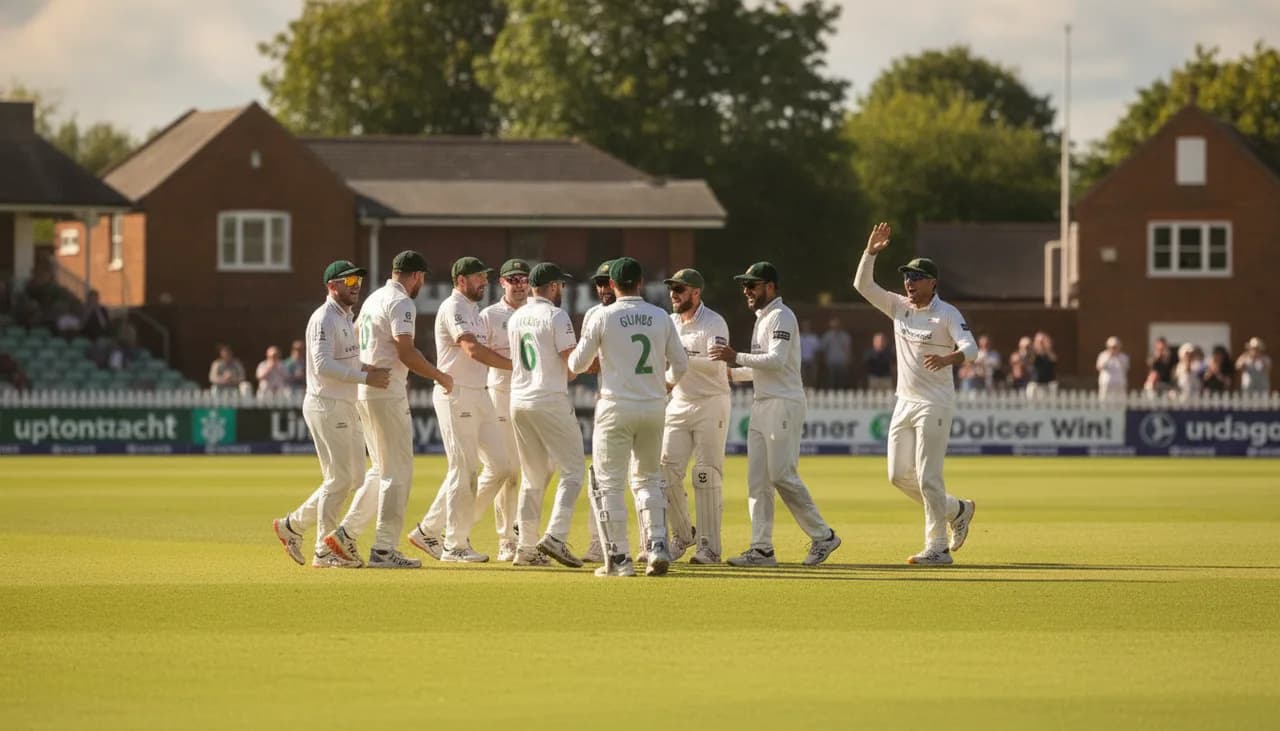
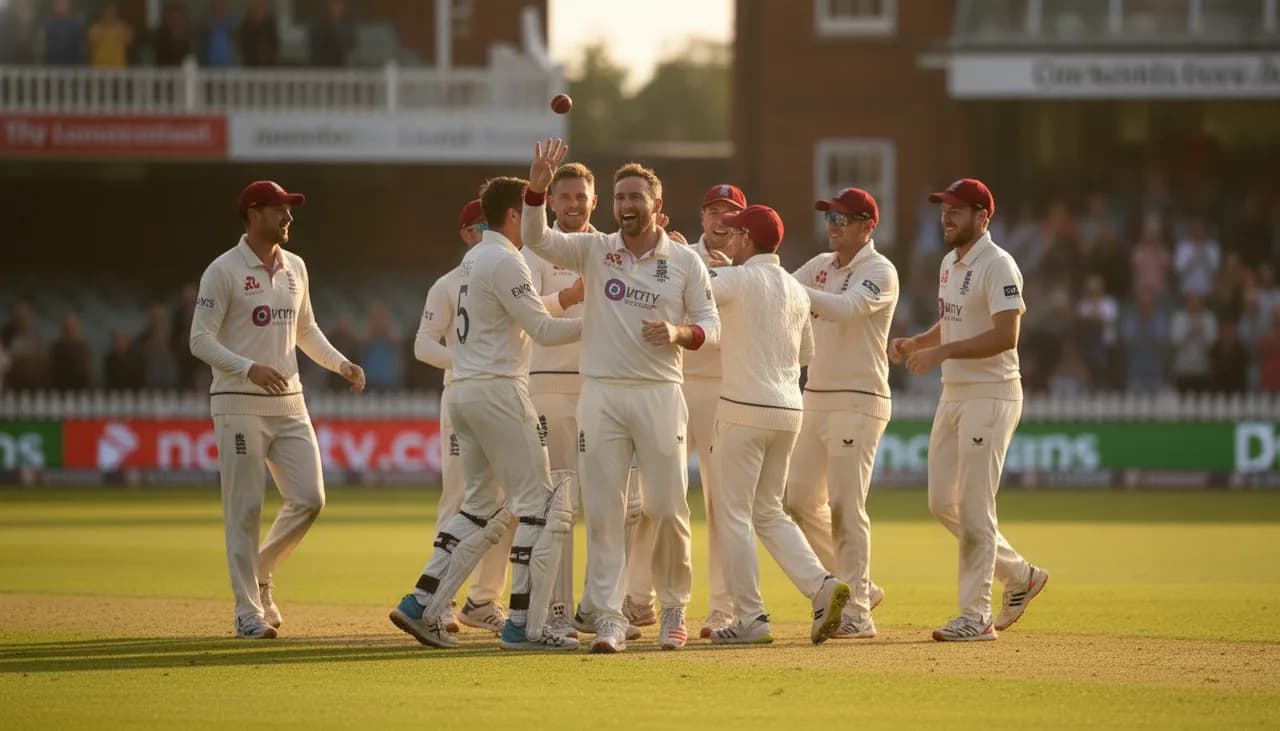
LONDON — England’s thrilling first-Test victory over India in Hyderabad was more than just a cricketing triumph—it was a resounding defense of Test cricket’s enduring magic. In an era where T20 leagues dominate headlines and player schedules, the five-day format continues to carve out its niche, cherished by purists and defended like a subculture. Stephan Shemilt reflects on why this longest format remains irreplaceable.
The Unmatched Drama of Test Cricket
Few sporting contests can match the ebb and flow of a well-fought Test match. England’s 28-run win over India was a masterclass in resilience, with Ollie Pope’s sublime 196 and debutant Tom Hartley’s seven-wicket haul in the second innings turning the game on its head. "Test cricket is the ultimate examination of skill, patience, and temperament," remarked former England captain Alastair Cook. The format’s ability to produce such narratives—where momentum shifts over days, not overs—is unparalleled.
Consider the key moments that defined the Hyderabad Test:
- India’s dominant first-innings lead of 190, built on Ravindra Jadeja’s 87 and KL Rahul’s 86, seemed insurmountable.
- Pope’s counterattacking century, laced with reverse sweeps and daring strokeplay, flipped the script.
- Hartley’s redemption after a costly first spell, ripping through India’s batting lineup with his left-arm spin.
Why Test Cricket Defies Modern Trends
In a world obsessed with instant gratification, Test cricket’s deliberate pace feels almost rebellious. Yet, its defenders argue that this very slowness is its strength. "The format forces players to confront their limitations and adapt over long periods," said India’s head coach Rahul Dravid. Unlike T20s, where power-hitting often overshadows technique, Tests reward nuance—be it a bowler’s ability to maintain a probing line or a batter’s skill in leaving the ball.
The Role of Conditions
Test cricket’s depth is magnified by how conditions evolve. The Hyderabad pitch, initially favoring India’s spinners, gradually deteriorated, offering variable bounce and turn. England’s success lay in reading these changes better. As Hartley noted post-match, "In T20s, you bowl four overs and move on. Here, you’re constantly learning, adjusting, and trying to outthink the batter over 30 overs."
The Cultural Significance of Test Cricket
Beyond tactics, Test cricket fosters a unique camaraderie. The Barmy Army’s chants echoing across Hyderabad’s stadium—a rarity for away fans in India—highlighted the shared experience. "It’s not just a game; it’s a pilgrimage for fans," said commentator Harsha Bhogle.
The format also serves as a bridge between generations. Fathers and sons dissect sessions over tea, while purists debate the merits of Bazball versus traditional grit. Former Australian skipper Steve Waugh once called Test cricket "the ultimate measure of a player’s legacy." Stats back this: Sachin Tendulkar’s 15,921 Test runs or Muttiah Muralitharan’s 800 wickets remain untouchable in shorter formats.
Challenges and the Road Ahead
Despite its virtues, Test cricket faces existential threats. Scheduling clashes with franchise leagues, dwindling crowds in some nations, and broadcasters prioritizing white-ball cricket pose real risks. The recent surge in ‘iconic’ series—Ashes, India vs. England, Border-Gavaskar Trophy—shows promise, but administrators must innovate. Day-night Tests and contextualized championships (like the World Test Championship) are steps in the right direction.
Yet, as the Hyderabad Test proved, the format’s soul remains intact. England’s victory wasn’t just about points; it was a reminder of why millions still cherish five-day cricket. "You can’t manufacture this drama," said England captain Ben Stokes. "It’s why we play, and why fans wake up at 4 a.m. to watch."
Conclusion: A Subculture Worth Preserving
Test cricket’s defenders aren’t clinging to nostalgia—they’re safeguarding a sport that rewards depth over brevity. The Hyderabad Test, with its twists and heroics, was a microcosm of why this format endures. As journalist Gideon Haigh once wrote, "Test cricket is the sport’s highest form of storytelling." In an age of snippets and highlights, that’s a story worth telling—and defending—for generations to come.