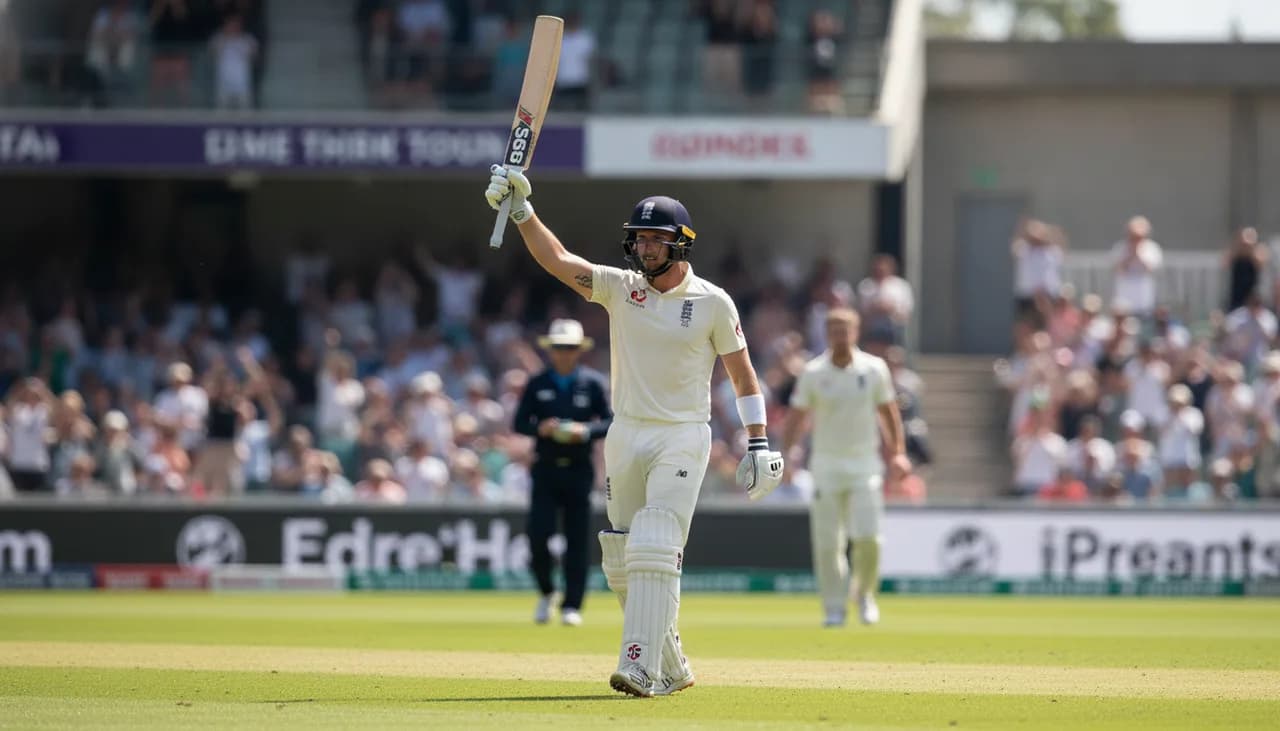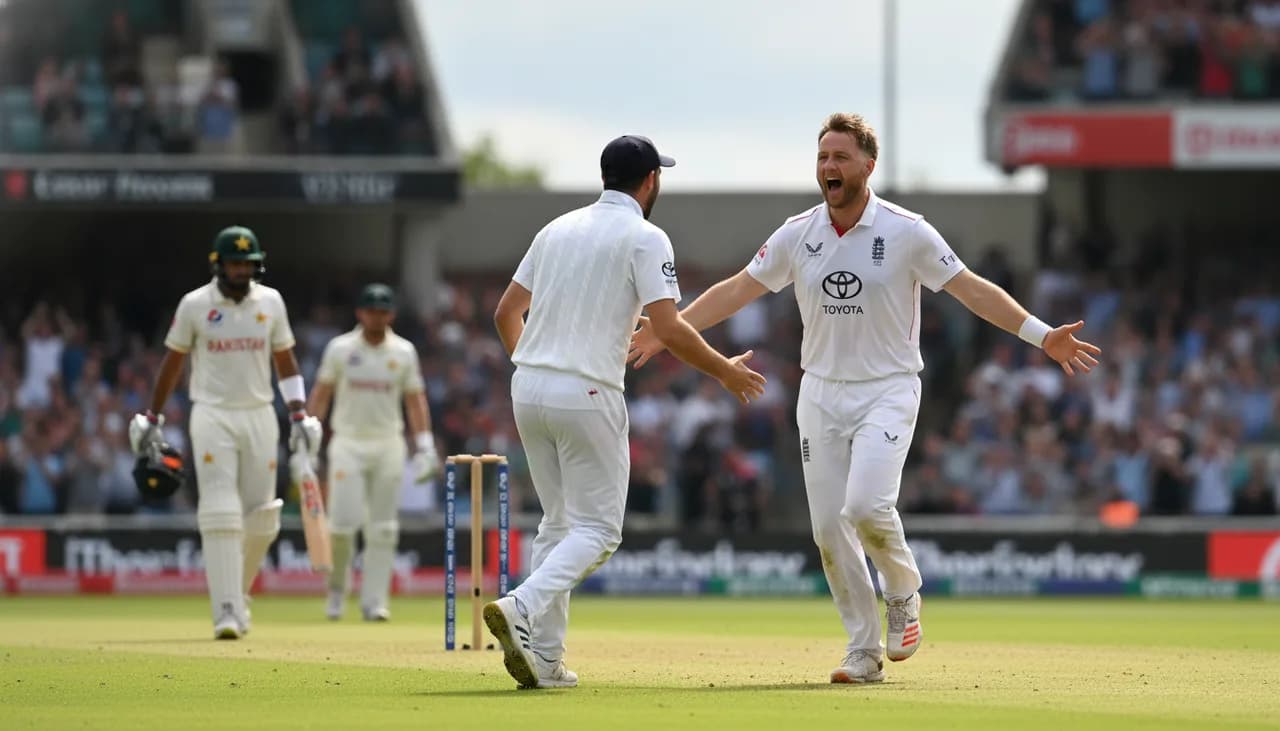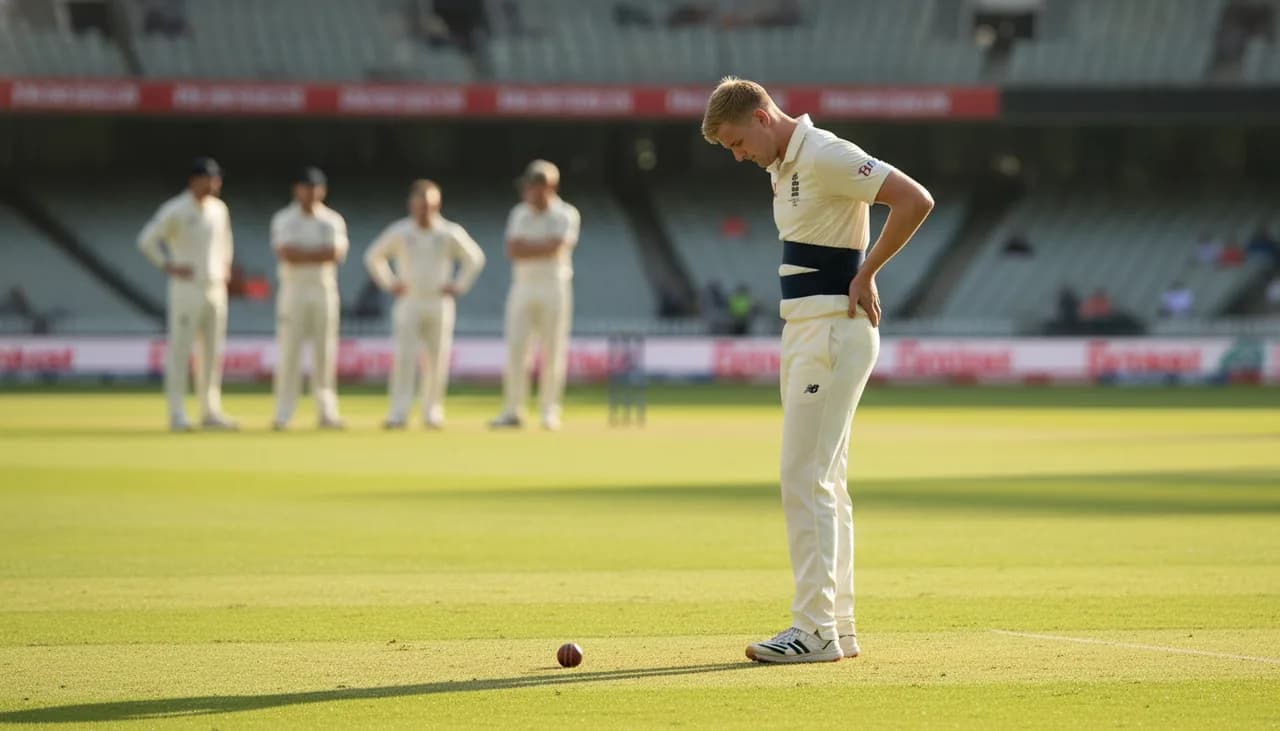
Three days after helping The Blaze clinch the T20 Blast title, Manchester Super Giants seamer Grace Ballinger has been reflecting on a Hundred that looks almost unrecognisable from previous editions. As someone who has watched this competition evolve from the outside — as an analyst and former coach — I find her perspective fascinating, because what she describes is nothing short of a structural revolution in English domestic cricket.
A Tournament Transformed by Private Ownership
For the first season since The Hundred's launch, the ECB no longer holds central ownership of all eight franchises. Every team is now independently owned, following a privatisation process that gave host counties the option to sell either a full or partial stake in their side to outside investors. Two of those new owners are Indian Premier League franchises — MI London and Sunrisers Leeds — who will meet each other in the tournament's opening fixture at The Oval on Tuesday, making for a mouth-watering start to the new era. With so much uncertainty around how independent ownership changes the on-field product, bookmakers will be watching early results closely before any outright market settles.
New Names, New Kits — But the Same Format
Walk into a cricket ground this summer and you might struggle to recognise some of the teams you once knew. Several franchises have undergone complete rebrands, with identities that took years to build swept away almost overnight. Kit suppliers have diversified too — last year every side wore New Balance, but in 2026 there is a variety of brands on show, a direct consequence of franchises now managing their own commercial relationships rather than deferring to centralised ECB deals. Not everything has changed, however: all eight host venues remain in place, and some teams have retained their original names. The bones of the competition are intact even if the flesh looks very different.
A Salary Leap That Changes Lives
Perhaps the most significant on-the-ground change for players is financial. Ballinger reveals that her own salary has jumped from £16,000 last year to £42,500 for the 2026 tournament — an increase of more than 165 per cent in a single off-season. That is a staggering uplift, and she is clear that this is the one unambiguous win for players from privatisation, particularly those in the women's game. Higher salaries should, in theory, help retain talent domestically and reduce the pressure on England's best female cricketers to chase contracts abroad. From a competition-quality standpoint, that can only be a positive.
Questions That Only the Cricket Can Answer
What nobody — players, coaches, analysts or fans — truly knows yet is how the shift from central to franchise management will affect the product on the pitch. Scheduling, squad planning, player welfare protocols: all of these are now in the hands of eight separate ownership groups with varying levels of cricket experience. Some franchises will undoubtedly get it right from the off; others may need time to find their feet. The betting markets reflect that uncertainty, with several teams carrying wider outright odds than their squad quality alone would suggest, simply because nobody can predict how smoothly new management structures will operate under pressure.
The 2026 Hundred is genuinely uncharted territory. As an analyst I love the data, but right now the most honest thing I can say is that we simply do not have enough information to know what this competition will look like by the time Finals Day arrives. Tuesday's opener at The Oval is not just a cricket match — it is the first real data point in a fascinating, high-stakes experiment.