A Competition Transformed
The Hundred has always divided opinion among cricket purists, but there's no denying that the 2026 edition arrives with more momentum — and more money — behind it than ever before. As someone who has spent years analysing the domestic game, I think it's fair to say this feels like the beginning of a genuinely new chapter. The competition gets under way on Tuesday, and fans tuning in will notice some fairly dramatic differences from what they've been used to.
The biggest shift has happened off the field. During 2025, the ECB completed the sale of ownership stakes across all eight franchises, a process that brought in over £500 million. Crucially, a substantial portion of that figure is earmarked for reinvestment into cricket at the grassroots and county level across England and Wales — something that should help quieten some of the criticism the competition has faced from the traditional cricketing community.
IPL Influence Arrives in Force
Perhaps the most eye-catching development is the direct involvement of Indian Premier League franchise ownership groups in four of the eight teams. This isn't just financial — it has reshaped the identity of several clubs entirely. Three teams have adopted new names that align them with their IPL counterparts.
The Northern Superchargers are now called Sunrisers Leeds, drawing a clear link to the Sunrisers Hyderabad. The Oval Invincibles have rebranded as MI London, partnering with the Mumbai Indians. And the Manchester Originals have become the Manchester Super Giants. All three have introduced new badges and kits to complete their transformations. From a betting perspective, these rebrandings could influence market familiarity — punters who follow the IPL closely may find themselves drawn toward backing these sides, which could see their outright odds shift as the tournament progresses and public money follows recognisable branding.
Beyond the IPL connections, Chelsea co-owner Todd Boehly has entered the picture by acquiring a 49% stake in the Trent Rockets, adding yet another high-profile name to an increasingly glamorous ownership landscape.
New Colours Across the Board
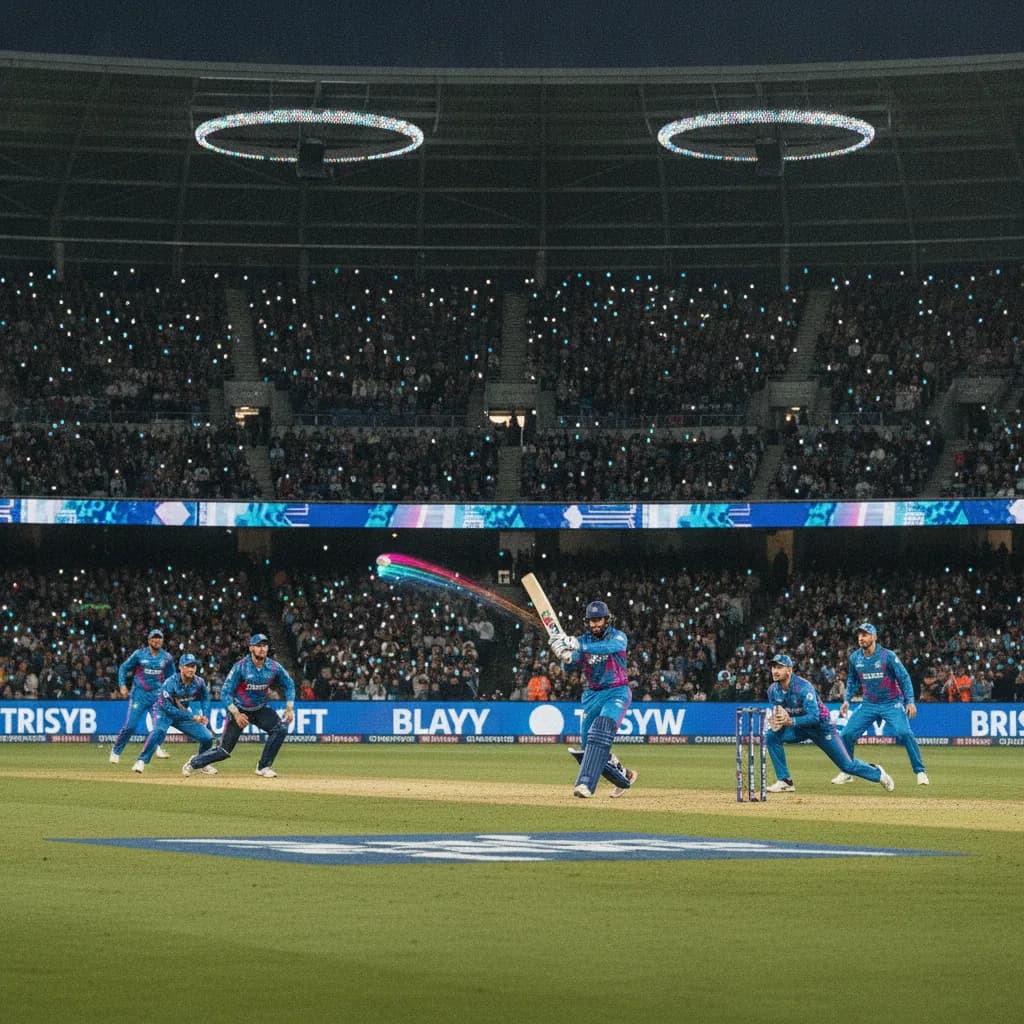
Even teams that haven't changed their names have refreshed their look. The Southern Brave have ditched their green and black colour scheme entirely, replacing it with blue and red — a bold departure that will take some getting used to for supporters. MI London have similarly moved to blue and gold, mirroring the palette of the Mumbai Indians back in India. London Spirit have swapped their traditional dark blue jerseys for a striking purple and black combination with red and yellow trim, while Sunrisers Leeds have traded in purple and white for orange and black, again echoing their IPL partner's colours.
It's a lot of change to absorb in one go, and I imagine plenty of fans will need a refresher before they can confidently identify every team on sight.
What It All Means for 2026
The injection of serious financial muscle and the deepening ties with the IPL suggest The Hundred is evolving from a domestic experiment into something with genuine global ambitions. Whether that's a good or bad thing remains a matter of debate in many cricket circles, but there's no question the competition is entering 2026 with a higher profile than at any point since its launch. As the season unfolds, it will be fascinating to see whether the rebranded sides — Sunrisers Leeds, MI London and the Manchester Super Giants in particular — carry any of the expectation that surrounds their IPL partners. One thing's for certain: this is not the same Hundred we watched last summer.