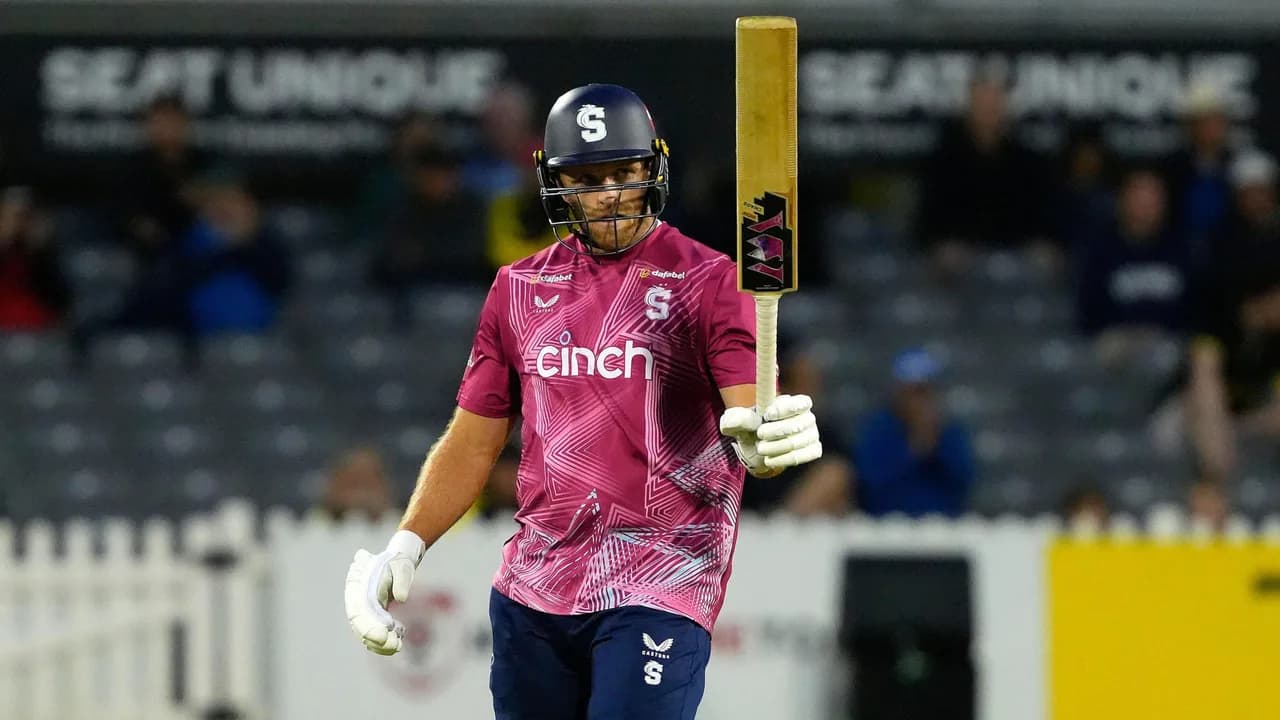
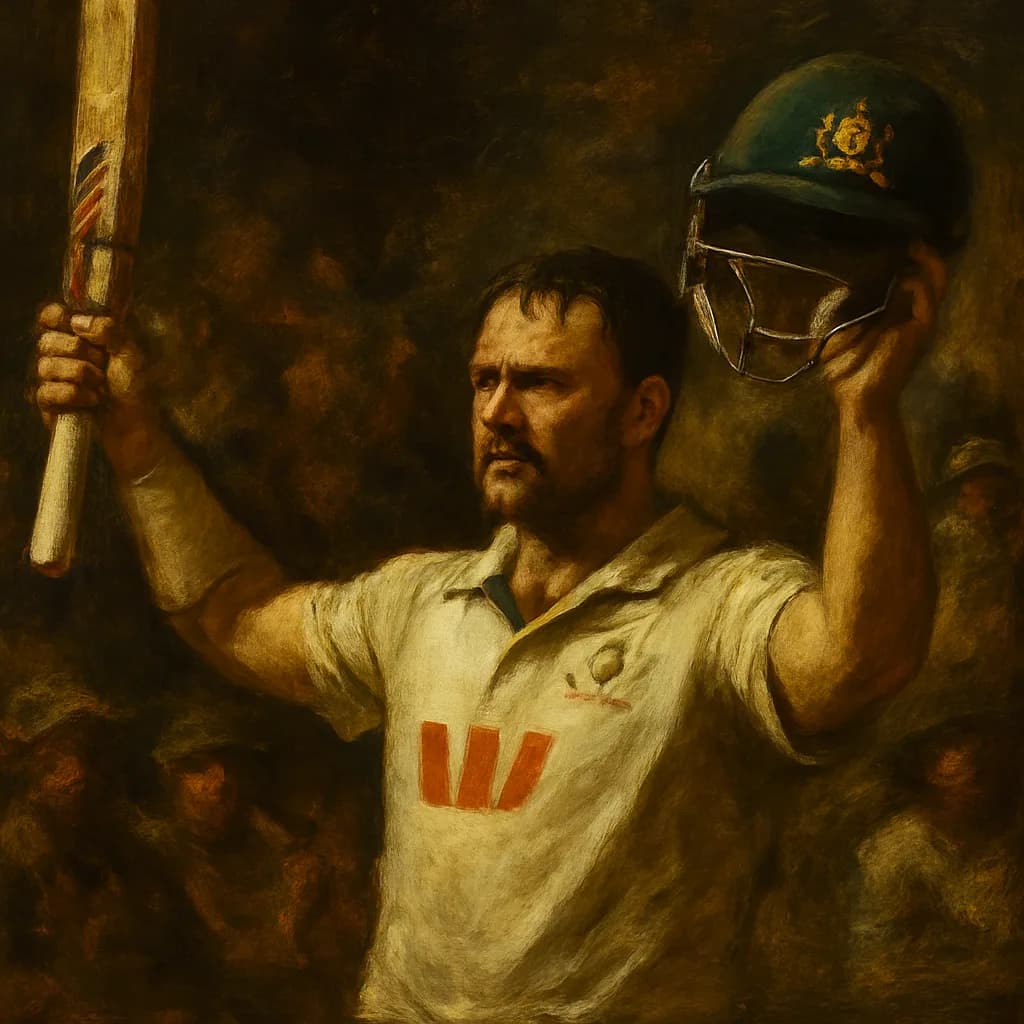
LONDON — In the high-stakes theatre of the Ashes, where history weighs heavy and every decision is scrutinized, a single tactical gamble can echo through the ages. For Australia in the 2023 series, that masterstroke came not from a blistering spell of fast bowling or a monumental century, but from a quiet, calculated reshuffle of the batting order. The promotion of Travis Head to open the innings, a move born of necessity that blossomed into pure genius, has defined the entire narrative of the contest, leaving England scrambling for answers they have yet to find.
The Catalyst: A Crisis Forged in Opportunity
The decision was not part of some grand, pre-ordained plan. It was a reaction to a crisis. Australia arrived in England with a settled top order, but the early tour was marred by injury and inconsistency. David Warner’s place, while secure, was under its perennial microscope in English conditions. The more pressing blow came when Usman Khawaja, the rock of the 2021-22 home Ashes triumph, was ruled out of the World Test Championship final against India with a late injury. Australia needed an opener, and they needed one fast. Captain Pat Cummins and coach Andrew McDonald looked down their lineup and settled on the man whose aggressive middle-order counter-punching had already made him a match-winner: Travis Head.
The logic was as bold as it was simple. Head’s game is built on proactive stroke-play, taking the attack to the bowlers and shifting momentum. By placing him at the top, Australia aimed to seize the initiative from the first ball, to disrupt England’s preferred rhythm of relentless attack with their own brand of controlled aggression. As Head himself later reflected on the sudden promotion, "It was a bit of a ‘pinch yourself’ moment. But the message was clear: go out and play your way."
The Execution: Redefining the Opening Role
What followed was a revelation. Head did not merely survive as an opener; he thrived, transforming the role to suit his devastating skillset. He approached the new ball not with the traditional opener’s caution, but with the intent of a middle-order dasher unleashed in the powerplay. This immediately put England’s much-vaunted ‘Bazball’ philosophy on the back foot. Instead of being the aggressors, England’s bowlers found themselves defending from the outset. Head’s impact was immediate and profound:
- First-Intent Aggression: He consistently scored at a strike rate above 75, negating the swing and seam movement by meeting the ball early and decisively.
- Psychological Pressure: His fast starts put scoreboard pressure on England, often racing to 30 or 40 before England had settled, forcing errors in their own batting response.
- Partnership Dynamism: Alongside the more classical Khawaja (upon his return) or the gritty Warner, Head provided explosive momentum, creating match-defining stands that took games away from England in the first session itself.
The statistics tell a compelling story. Head finished as one of the series' leading run-scorers, with his centuries at Birmingham and Manchester not just big scores, but tone-setting declarations of Australian dominance. His 77 at Lord’s, though in a losing cause, was a blistering counter-attack that showcased his value. Former England captain Michael Vaughan summarized the dilemma Head created, stating, "England have no plan for Travis Head. They want to attack, but he’s attacking them harder and earlier. It’s completely scrambled their logic."
The Ripple Effect Through the Order
Head’s success at the top had a cascading benefit for the entire Australian lineup. By blunting the new ball with such ferocity, he often allowed the middle order of Steve Smith, Marnus Labuschagne, and the lower order to face an older ball and more fatigued bowlers. Furthermore, it solved a long-standing structural issue. It enabled Cameron Green to slot into the middle order at No. 4, adding depth and a potent all-round option, while Mitchell Marsh’s resurgence provided further firepower. The move didn’t just strengthen one position; it optimized the entire batting unit.
England's Conundrum: A Puzzle Unsolved
For England, Head has been the unsolvable equation. Their entire bowling strategy under Ben Stokes and Brendon McCullum is predicated on attacking, on taking wickets through relentless pressure. Head’s approach turns that pressure back on the bowlers. Do they persist with their attacking fields and risk being picked off? Or do they retreat, ceding the aggressive ground that is the cornerstone of their identity? Throughout the series, England oscillated between these options, never finding a consistent or successful method. James Anderson and Stuart Broad found their probing lengths dispatched; Mark Wood’s express pace was harnessed; even the off-spin of Moeen Ali was targeted with prejudice.
The frustration in the England camp became palpable. After Head’s match-defining 77 at Lord’s, a candid Ben Stokes admitted, "We know how Travis Head plays, we’ve seen it for years now. He’s a very attacking player, he likes to get on with it. We just haven’t found a way to contain him and then get him out early enough." This admission highlighted a fundamental flaw exposed by Australia’s tactic: ‘Bazball’ had not yet developed a coherent defensive or containing plan for when their attack was itself under attack.
A Legacy Beyond the 2023 Series
The masterstroke of promoting Travis Head will resonate far beyond the retention of the Ashes urn in 2023. It has redefined what is possible for an Australian opener in modern Test cricket. It proved that aggression at the top is not the sole preserve of England’s philosophy and can be deployed with ruthless Australian efficiency. For Head, it has cemented his status as one of the world’s most impactful and versatile batters, a player capable of winning games from any position.
Most importantly, it provided a masterclass in tactical flexibility. Australia identified a weakness in England’s aggressive posture—its potential vulnerability to even greater aggression—and weaponized it. They did not try to out-‘Bazball’ England; they devised a smarter, sharper method to undermine it. In doing so, they controlled the tempo of the critical moments across the series. As cricket analyst and former player Isa Guha noted, "Australia’s move with Head wasn’t just a selection change; it was a strategic checkmate. They forced England to play a game they weren’t prepared for."
In the annals of Ashes history, where heroes are made by centuries and five-wicket hauls, the 2023 series will be remembered for a decision made in a team meeting. The promotion of Travis Head to opener was the masterstroke that defined the series, a brilliant piece of proactive captaincy and management that seized the initiative, confounded the opposition, and ultimately ensured the little urn remained firmly in Australian hands. England, for all their innovation and bravado, were left with no answer, their revolution meeting a counter-revolution led by a bullish left-hander with a penchant for destruction.