
A Village Cricket Story That Went Global
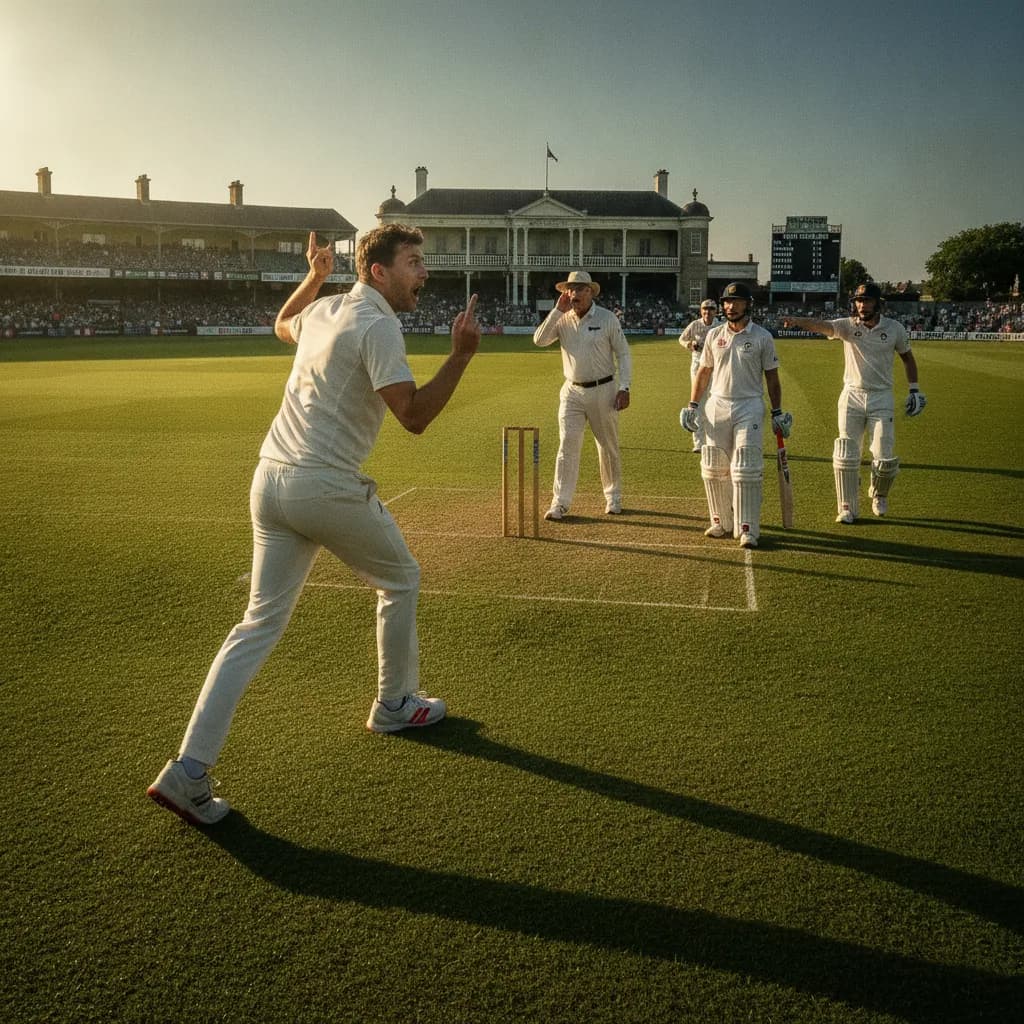
It doesn't happen often that a second XI fixture in the North Yorkshire and South Durham Cricket League becomes the talk of the sporting world, but here we are. A video clip from Saltburn Cricket Club's win over Norton has spread across social media like wildfire, and at its heart is one deeply simple question: did a fielder deliberately click his fingers to deceive the umpire into thinking the ball had taken an edge?
The player at the centre of the storm is Brian Devine, a Saltburn second XI player who, according to the allegation, timed a finger-click to coincide with the ball passing the batsman's bat — creating a false sound that would fool both umpire and opponents into believing there had been a genuine nick. Saltburn CC have since suspended Devine while the matter is investigated. It's a story that has captured attention far beyond the boundary rope, and it's not hard to understand why.
Why This Story Has Resonated So Far Beyond Cricket
Jonathan Agnew, the BBC's chief cricket commentator, has spoken about just how many messages he's received from people who wouldn't normally reach out to him about the sport at all. That tells you everything. This isn't a story about Duckworth-Lewis calculations or a contentious DRS decision — this is primal. Did he do it or didn't he? You don't need to understand a cover drive to have a view on that.
As someone who has spent years coaching at club level, I can tell you that the Spirit of Cricket is taken seriously from the village green upwards. It's arguably more fiercely protected in grassroots cricket than anywhere else, precisely because there are no cameras, no third umpires, and no safety net. That's why this incident cuts so deep. If cheating of this kind is happening, it undermines something that thousands of amateur players across the country hold dear every weekend.
The Wicketkeeper Holds the Key
Agnew made an astute observation when he pointed out that wicketkeeper Josh Bowes is arguably the most important voice in any formal investigation. Standing directly behind the stumps, Bowes would have been better placed than anyone — including the umpire — to hear whether the sound came from bat on ball or from something altogether more contrived. Unless Devine himself makes a full admission, Bowes becomes simultaneously the prosecution's star witness and the defence's last hope. The integrity of any hearing rests significantly on what he says.
From a coaching perspective, this is also a moment to reflect on what we teach young players. Winning matters, but not at any cost. Anyone found to have deliberately cheated faces not just a ban but the kind of reputational damage that follows them long after the punishment ends.
What Happens Next Matters Enormously
The investigation now needs to run its proper course. Grainy video footage, however compelling it might appear, is not a verdict. Devine deserves a fair hearing, and the panel must also examine whether this was an individual act or something more systemic within the team environment. Both outcomes carry very different consequences.
Grassroots cricket doesn't have the glamour of The Hundred or an Ashes series, but it has soul. Whatever the outcome of this investigation, let's hope it serves as a reminder that the Spirit of Cricket isn't just a line in a rulebook — it's the reason most of us fell in love with this game in the first place.