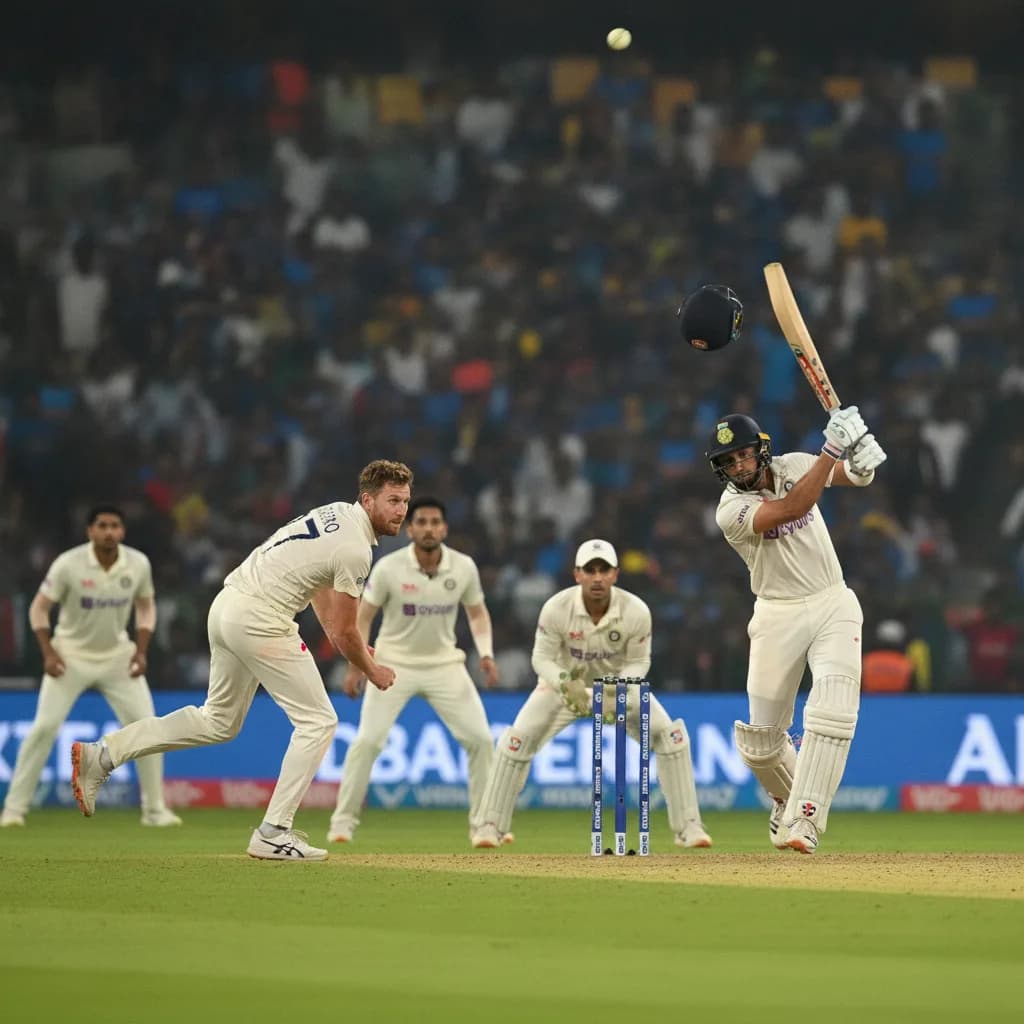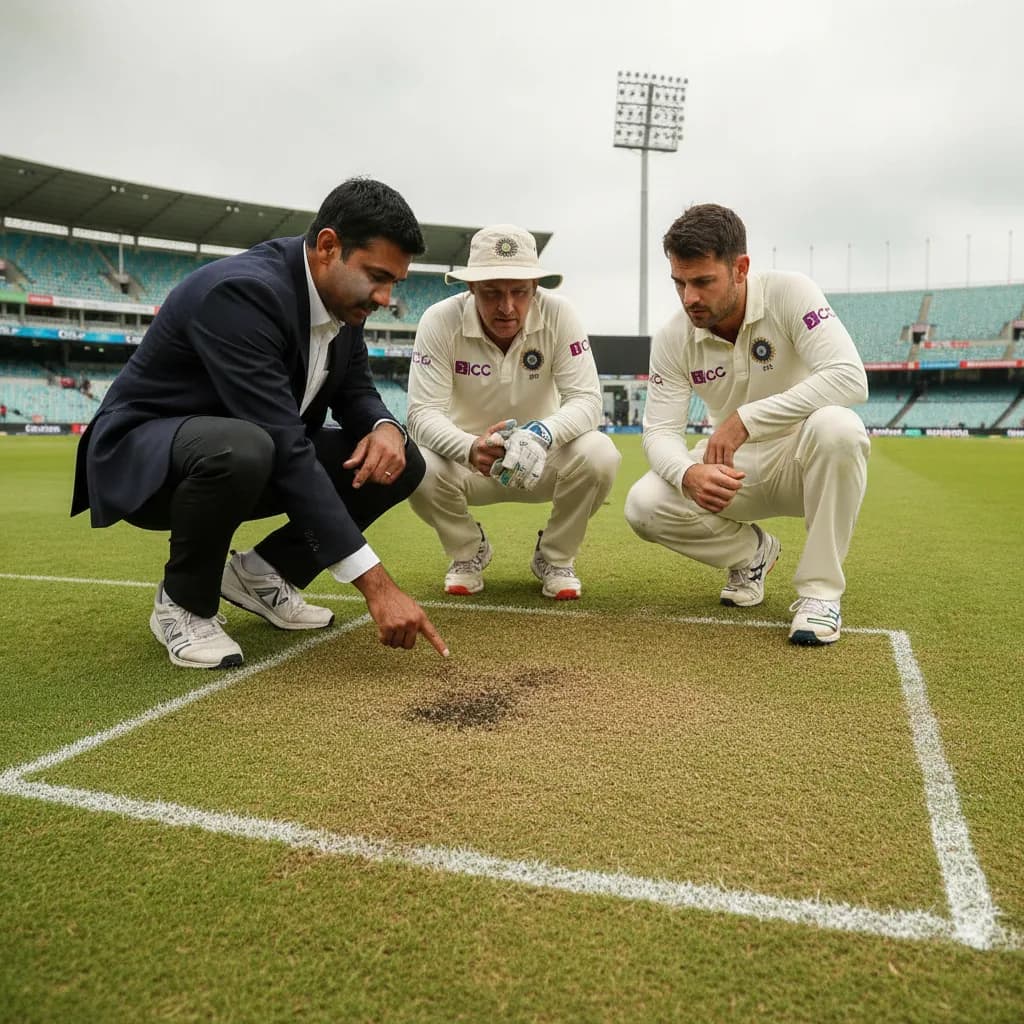
LONDON — The cricketing world is set to honor one of its most charismatic and influential figures as the England-India Test series debuts the Tiger Pataudi Medal, named after the legendary Indian captain Mansur Ali Khan Pataudi, affectionately known as "Tiger." The medal will be awarded to the best-performing player in the series, celebrating Pataudi’s enduring legacy as a trailblazer in the sport.
Pataudi, who passed away in 2011, remains one of cricket’s most revered figures—not just for his on-field brilliance but also for his leadership and resilience. Born into royalty as the Nawab of Pataudi, he transcended his aristocratic roots to become a cricketing icon, captaining India at just 21 years old. His story is one of triumph over adversity, having lost vision in his right eye in a car accident yet still excelling at the highest level.
A Legacy of Leadership and Innovation
Tiger Pataudi’s impact on Indian cricket cannot be overstated. He took over the captaincy during a turbulent period and transformed India into a competitive side, instilling a fearless attitude. His tactical acumen was ahead of its time, particularly in field placements and spin bowling strategies. "He was the first Indian captain who made us believe we could win abroad," recalled former teammate Farokh Engineer.
Under Pataudi’s leadership, India secured their first overseas Test victory against New Zealand in 1968. His ability to inspire his team was legendary. Sunil Gavaskar, who played under Pataudi, once said, "He had this aura—a quiet confidence that made you want to give your best for him."
Overcoming Adversity
Pataudi’s career was defined by his resilience. After losing 75% of his vision in his right eye due to a car crash in England in 1961, many doubted he could continue playing. Yet, he adapted his technique, relying on instinct and peripheral vision, and went on to score six Test centuries. "To bat with one eye at the international level is unimaginable, but Tiger made it look effortless," remarked former England captain Colin Cowdrey.
His contributions extended beyond the field. Pataudi was instrumental in bridging the gap between Indian cricket’s amateur era and its professional future. He advocated for better pay and conditions for players, laying the groundwork for the modern game. His influence is still felt today, with current players like Virat Kohli citing him as an inspiration.
The Tiger Pataudi Medal: A Fitting Tribute
The introduction of the Tiger Pataudi Medal in the England-India series is a testament to his enduring legacy. The Board of Control for Cricket in India (BCCI) and the England and Wales Cricket Board (ECB) jointly announced the honor, which will be awarded to the player who demonstrates exceptional skill, leadership, and sportsmanship—qualities Pataudi embodied.
Key highlights of the medal:
- Named after one of India’s greatest captains
- Awarded to the best player in the England-India Test series
- Celebrates Pataudi’s contributions to cricket and his fighting spirit
Former Indian captain Rahul Dravid, now head coach of the national team, praised the initiative: "Tiger Pataudi was a pioneer. This medal ensures that future generations remember his contributions and strive to emulate his courage and leadership."
A Lasting Influence
Pataudi’s legacy extends beyond statistics. He was a cultural icon, marrying Bollywood actress Sharmila Tagore and becoming a symbol of India’s post-independence modernity. His life was a blend of tradition and progress, much like the game he loved.
As the England-India series unfolds, the Tiger Pataudi Medal will serve as a reminder of a man who redefined Indian cricket. His story is one of courage, innovation, and an unyielding love for the game—a legacy that continues to inspire.
In the words of his daughter, actress Soha Ali Khan: "My father never saw himself as a hero, but to us and to cricket, he was nothing less."