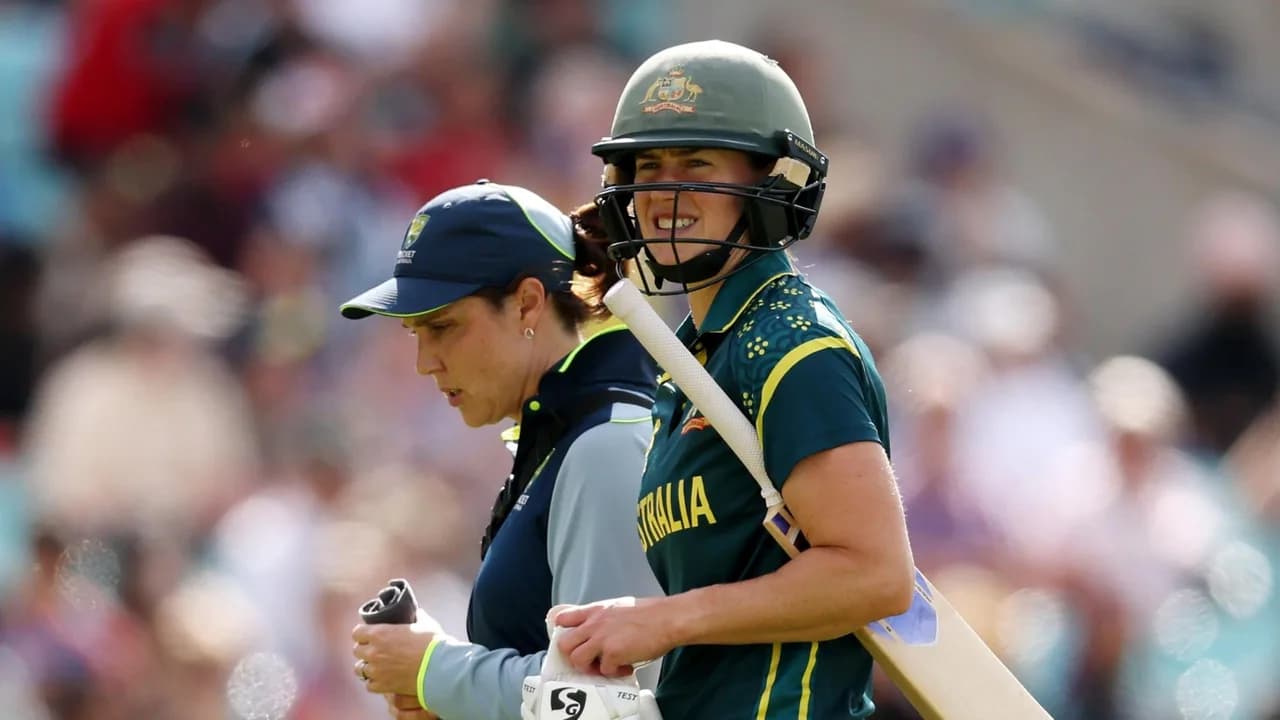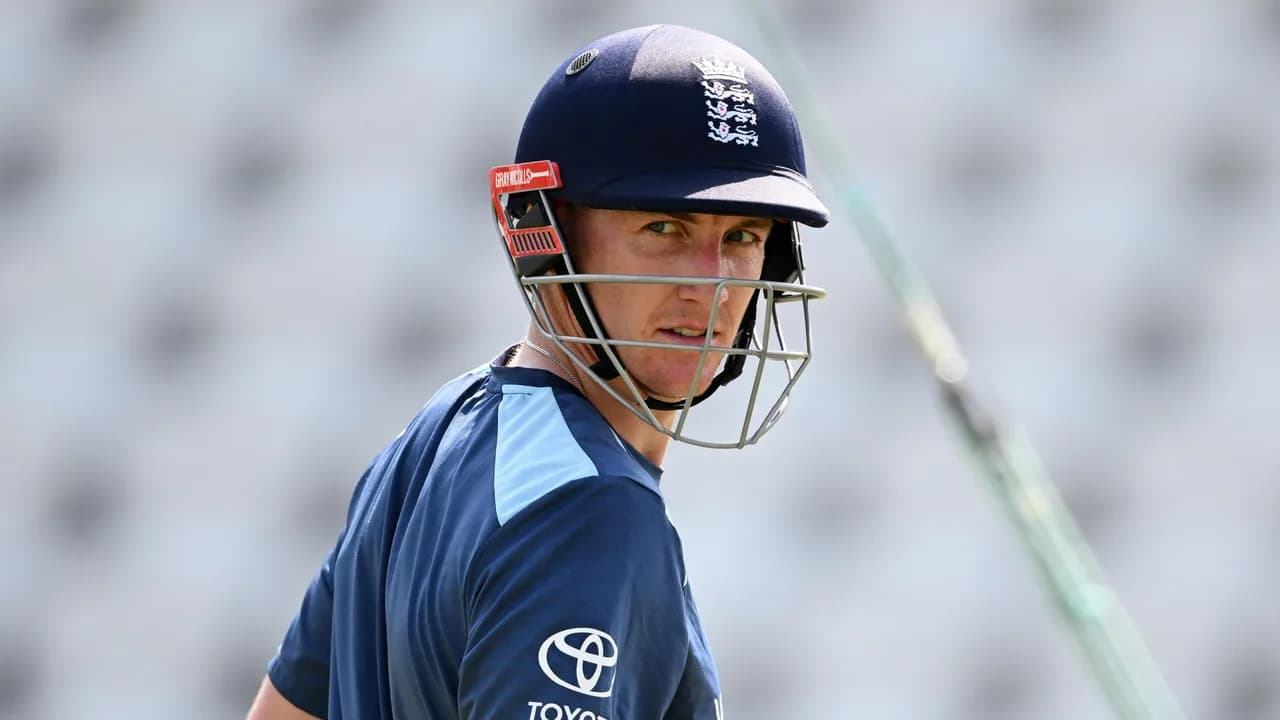

SYDNEY — England’s hopes of salvaging pride from a difficult Ashes tour were given a flicker of life on the opening day of the fifth and final Test at the SCG, only for the familiar foes of bad light and persistent rain to curtail their progress after a strong start with the ball.
Having already surrendered the urn after heavy defeats in Brisbane, Adelaide, and Melbourne, the tourists produced their most disciplined bowling performance of the series to reduce Australia to 126 for 3. However, only 46.5 overs were possible on a frustrating day, with play abandoned shortly after 4:30 PM local time.
A Promising Start for England's Attack
Under heavy cloud cover, England captain Joe Root won a crucial toss and elected to bowl first on a green-tinged SCG pitch offering early assistance. His decision was immediately vindicated by his new-ball pair. Stuart Broad, recalled to the side, and the ever-improving Ollie Robinson found consistent movement and bounce, asking probing questions of the Australian openers.
The pressure told in the 12th over when David Warner, on 30, edged a full, wide delivery from Robinson to Zak Crawley at second slip. It was a deserved wicket for Robinson, whose metronomic line and length had been exemplary. "That's exactly the start England needed," remarked former Australian captain Ricky Ponting on commentary.
Marcus Harris fell soon after, caught behind off Broad for 38, leaving Australia at 56 for 2. The key moment, however, came just before lunch. Usman Khawaja, playing in place of the injured Travis Head, looked solid on 22 but was trapped lbw by a brilliant inswinger from Mark Wood. The review showed the ball clipping leg stump, sending the local favourite back to the pavilion.
The Smith and Labuschagne Stand
At 111 for 3, England were in the ascendancy. Yet, as has been the case throughout the series, Australia’s batting backbone proved resilient. Steve Smith, looking determined at the crease, was joined by the world’s number-one ranked batter, Marnus Labuschagne. The pair began the painstaking work of rebuilding, seeing off the remaining threat of the old ball.
Their unbroken partnership of 15 runs spanned a tense period where England’s bowlers, particularly Ben Stokes bowling with noticeable discomfort, continued to toil. The duel between Smith and England’s attack was a fascinating subplot, with the batter showing intense concentration to survive several close calls.
Just as the second new ball became available, the umpires intervened due to deteriorating light. Play was suspended at 2:28 PM with Smith on 24* and Labuschagne on 4*. The break was initially meant to be brief, but the gloom refused to lift, and soon after, steady rain began to fall, ultimately washing out the remainder of the day’s play.
Frustration for Both Camps
The interruption was a source of immense frustration for an England side finally gaining a foothold in a match. They had executed their plans effectively, with the bowling unit demonstrating the control often lacking earlier in the series. Key factors in their improved performance included:
- Disciplined Lines: Robinson and Broad rarely offered scoring opportunities, building pressure from both ends.
- Wood's Pace: Mark Wood’s express speed provided a constant threat, accounting for the crucial wicket of Khawaja.
- Sharp Fielding: Catches were held, and the energy in the field was noticeably higher.
For Australia, the weather offered a reprieve, halting England’s momentum and allowing their two most accomplished batters to regroup overnight. Captain Pat Cummins acknowledged the challenging conditions, stating in a post-day interview, "It was tough going out there. Credit to England's bowlers, they made us work for every run."
The Forecast and What Lies Ahead
The Sydney weather forecast for the remainder of the Test match remains unsettled, with further showers predicted over the coming days. This adds a layer of complexity to the tactical battle. England will be desperate to exploit the favourable bowling conditions early on day two, knowing the new ball is just four overs old.
The first hour of play on the second morning will be critical. If England can break the Smith-Labuschagne partnership quickly, they can expose Australia’s lower middle order to the moving ball. Conversely, if the Australian pair can weather the storm and the sun emerges, the pitch is expected to flatten out, making batting significantly easier.
Joe Root cut a figure of quiet optimism mixed with frustration at the close. "We did everything we could have asked for today," he said. "To have them three down with the bowlers firing like that was exactly the start we wanted. It's just a shame the weather had its say. We have to come back with the same mentality tomorrow."
Conclusion: A Glimmer Extinguished by Gloom
The opening day in Sydney encapsulated England’s Ashes tour: moments of genuine promise and competitive spirit ultimately overshadowed by factors beyond their control. Their bowling performance was a marked improvement and demonstrated the fight that had been missing at key moments in the series.
However, the loss of 43 overs to bad light and rain has robbed them of the chance to capitalise fully on their strong position. Australia, masters of seizing opportunities in this series, will now sleep easier with Smith and Labuschagne at the crease. The battle for supremacy in this final Test, and for a share of the series honours, remains intriguingly poised, but its progress is now at the mercy of the Sydney skies.