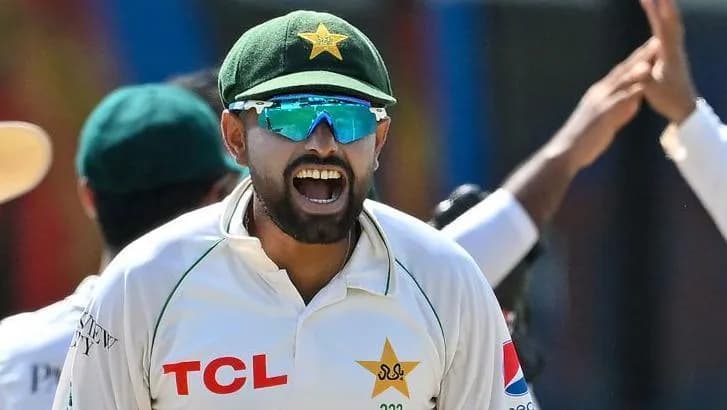
LONDON — Test cricket, the longest and most traditional format of the game, is often at the mercy of weather and light conditions. One of the most debated aspects of the sport is the rule around bad light, which can lead to play being suspended even when rain isn’t a factor. BBC Sport’s Ask Me Anything team breaks down the rules, controversies, and implications of bad light in Test cricket.
What is Bad Light in Cricket?
Bad light refers to insufficient natural light for play to continue safely. Unlike limited-overs matches, which can be played under floodlights, Test cricket relies primarily on daylight. Umpires are responsible for determining whether the light is too poor for play, considering factors like visibility, player safety, and fairness. As former ICC umpire Simon Taufel once noted, "The priority is always player safety—no one wants to see a fast bowler delivering at 90mph when batsmen can’t see the ball properly."
How Do Umpires Decide?
Umpires use light meters to measure luminosity, but the final decision is subjective. The ICC’s playing conditions state that umpires can offer batsmen the option to continue in poor light, but if they refuse, play is suspended. Key considerations include:
- Light meter readings: A baseline is established at the start of the match, and deviations from this are monitored.
- Player feedback: Batsmen and fielders can voice concerns about visibility.
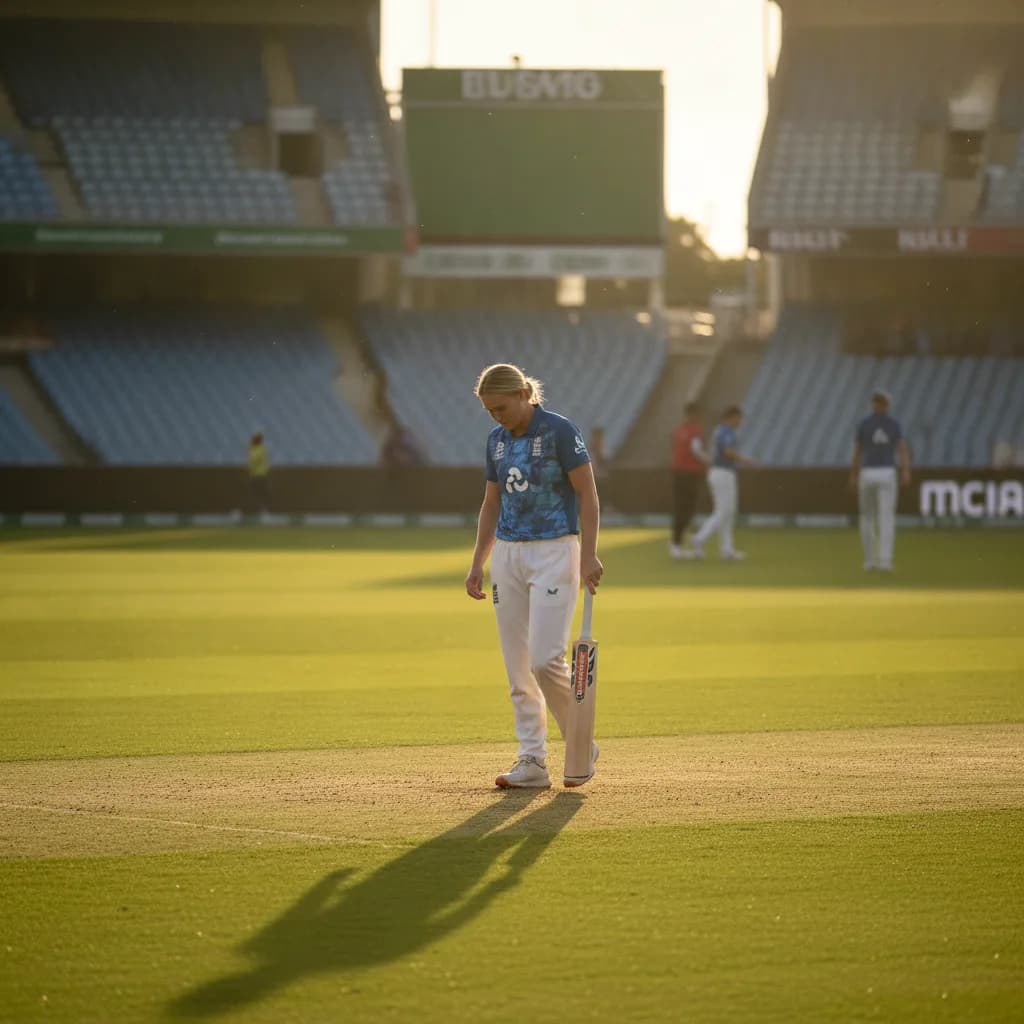
- Cloud cover and shadows: Overcast conditions or long shadows can worsen visibility even if the light meter readings are borderline.
Former England captain Nasser Hussain has criticized the inconsistency, saying, "The problem is that different umpires have different thresholds. What’s acceptable in one game might not be in another, which frustrates players and fans."
Controversies and Criticisms
Bad light rules have sparked numerous controversies, particularly when matches are finely balanced. Critics argue that:
- Floodlights aren’t used effectively: Unlike ODIs or T20s, Tests rarely utilize floodlights to extend play, even in modern stadiums equipped with them.
- Batsmen have too much power: Since they can refuse to play, teams chasing a target might exploit the rule to avoid risky situations.
- Inconsistent enforcement: Matches in some countries (e.g., England) are more likely to be affected than in others (e.g., Australia).
A notable example was the 2013 Ashes Test at The Oval, where play was called off despite floodlights being on, leaving fans furious. Former Australian skipper Ricky Ponting remarked, "If the lights are on and the players are out there, why stop? It makes no sense to the spectators."
Recent Changes and Adaptations
In recent years, the ICC has experimented with solutions to minimize disruptions:
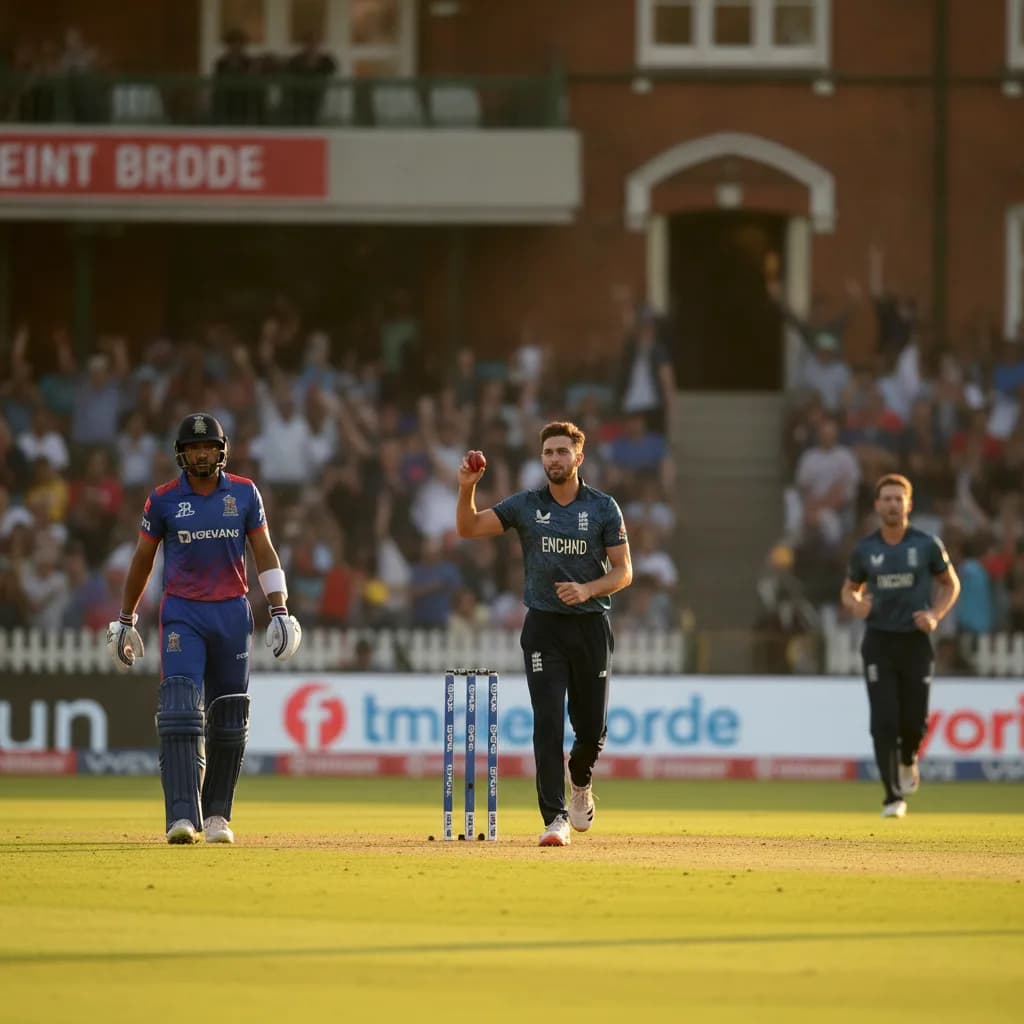
- Pink-ball Tests: Day-night Tests with a pink ball, which is more visible under lights, have been introduced to combat bad light issues.
- Earlier starts: Some matches begin earlier to maximize daylight hours.
- Revised light-meter protocols: Umpires are encouraged to be more flexible, especially in high-stakes games.
However, these measures haven’t eliminated the problem entirely. During the 2021 India-England series, bad light halted play repeatedly, prompting calls for further reforms. Indian coach Ravi Shastri quipped, "We might as well play in sunglasses if this keeps up."
The Impact on Results
Bad light has altered the outcomes of several historic Tests. In 2007, a Test between England and the West Indies at Lord’s ended in a draw after bad light denied the Windies a likely victory. More recently, the 2019 Ashes saw Australia retain the urn after bad light prevented England from chasing a target at The Oval.
Statistics show that bad light affects about 15% of Test matches, with England hosting the most affected games due to its climate. Former umpire Aleem Dar explained, "It’s a tough call, but player safety can’t be compromised, no matter the situation."
Conclusion: A Necessary Evil?
While bad light rules are often frustrating, they remain essential for player welfare. The challenge for cricket’s governing bodies is to strike a balance between tradition and modernity. As technology evolves, solutions like improved floodlights or better ball visibility may reduce disruptions. Until then, bad light will continue to be a contentious but unavoidable part of Test cricket.
For fans, the hope is that the spirit of the game isn’t dimmed along with the light. As BBC Sport’s Jonathan Agnew summed it up, "Test cricket’s charm lies in its unpredictability—whether it’s the weather, the light, or the drama, we just have to accept it."