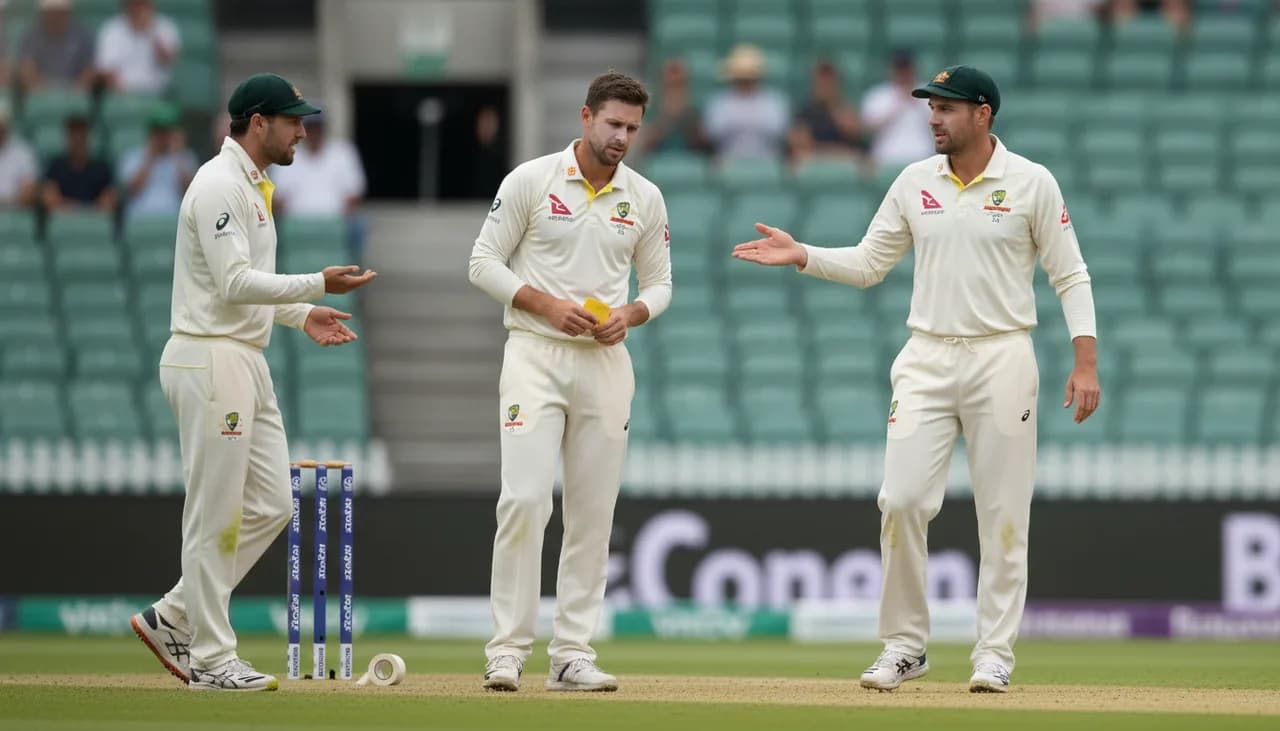

SYDNEY — As the final ball is bowled in the Ashes series, a unique and vibrant tradition takes centre stage at the Sydney Cricket Ground. The fifth and final Test match is not just another game; it is the iconic Pink Test. For cricket fans tuning in, the sight of players, umpires, and spectators adorned in various shades of pink can be striking. But this sea of pink is far more than a fashion statement or a simple theme day. It is a powerful, community-driven campaign that has become one of the most beloved and impactful fixtures in the global sporting calendar, raising millions for a vital cause.
So, what exactly is the Pink Test? At its heart, it is a fundraising initiative for the McGrath Foundation, a breast cancer support charity founded by former Australian cricketer Glenn McGrath and his late wife, Jane. Jane was diagnosed with breast cancer in 2002, and her experience highlighted the critical need for specialized support. The foundation's flagship mission is to fund McGrath Breast Care Nurses, who provide free physical, emotional, and psychological support to individuals and families experiencing breast cancer. The Pink Test, held annually during the Sydney Test match, is the foundation's largest fundraising event.
The Origins: A Personal Promise
The story of the Pink Test is deeply personal. Jane McGrath passed away in 2008 after her third battle with cancer. During her illness, she and Glenn recognized the immense value of having a dedicated breast care nurse. They made a promise to each other to fund more of these nurses so others wouldn't have to face the journey alone. The first official Pink Test was held in 2009, during the New Year's Test between Australia and South Africa. The SCG was transformed into a pink spectacle, with stumps, boundary ropes, and player caps all turning pink in a show of solidarity. The initiative was an immediate and emotional success, capturing the hearts of the nation.
Glenn McGrath has often spoken about the profound link between his cricketing life and the foundation's work. He stated, "Jane's wish was that no family would go through breast cancer without the care of a McGrath Breast Care Nurse. The Pink Test is the embodiment of that wish. It's our way of using the platform of cricket, a game that gave me so much, to give something essential back." This personal connection is the driving force behind the event's authenticity and enduring appeal.
How the Pink Test Works
The Pink Test is a masterclass in integrated fundraising. It is not a single activity but a multi-faceted campaign that engages every level of the cricket community. The visual elements are the most obvious: players wear pink caps and use pink grips on their bats, umpires sport pink accessories, and the iconic SCG members' pavilion is lit up in pink. Fans are encouraged to participate by:
- Wearing pink to the ground or while watching at home.
- Purchasing official Pink Test merchandise, from hats to wristbands.
- Donating directly to the McGrath Foundation.
- Participating in fundraising events.
A key moment each year is the 'Proudly Pink' delivery of the match ball onto the field by a current McGrath Breast Care Nurse, surrounded by a guard of honour formed by past and present Australian cricketers. This powerful symbol puts the real heroes of the campaign—the nurses and the families they support—at the very centre of the sporting spectacle.
The Impact in Numbers
The success of the Pink Test is measured in tangible, life-changing outcomes. Since its inception, the campaign has raised tens of millions of Australian dollars. These funds directly translate into more nurses in communities across the country. As of 2025, the McGrath Foundation has funded over 200 McGrath Breast Care Nurses, who have supported more than 125,000 families. Each nurse is a specialist who provides free support from the time of diagnosis and throughout treatment. The foundation's CEO, Holly Masters, emphasizes the direct link: "Every pink cap bought, every donation made at the SCG or online, directly helps us place another nurse. The Pink Test is the engine room of our mission."
The Ashes and the Pink Test
When an Ashes series coincides with a Sydney Test, the Pink Test takes on an even greater significance. The historic rivalry between England and Australia is temporarily painted with a unifying brush of pink. Both teams participate wholeheartedly, understanding the cause transcends sport. English players have been consistently supportive, wearing pink and participating in events, demonstrating that the fight against breast cancer knows no borders. This spirit of collaboration amidst fierce competition adds a profound layer of respect to the contest. Former England captain Sir Alastair Cook once noted, "Playing in the Pink Test is a humbling experience. You feel the weight of the cause in the atmosphere. For those five days, we're all on the same team."
Beyond the Boundary Ropes
The legacy of the Pink Test extends far beyond the five days of cricket. It has sparked a national conversation about breast cancer awareness, the importance of early detection, and the value of specialist support. It has inspired similar initiatives in other sports and has become a model for how sporting institutions can leverage their influence for profound social good. The event has also provided a platform for countless stories of hope and resilience, with families supported by McGrath Nurses often attending the Test as guests of honour, their presence a powerful reminder of why the pink wave washes over the SCG each year.
A Tradition of Hope
In conclusion, the Pink Test is much more than a colourful quirk of the cricket calendar. It is a movement born from love, loss, and a powerful promise. It harnesses the passion of a nation for its summer game and channels it into providing essential, compassionate care. When you see the players sporting pink during the fifth Ashes Test in Sydney, you are witnessing a national tradition of generosity and hope. It is a testament to how sport can be a force for unity and positive change, proving that sometimes, the most powerful statement a team can make is to stand together—not just for victory, but for something far greater.